Pakistan LNG imports have come under renewed pressure following disruptions to global gas supply chains, highlighting the risks facing countries that remain heavily dependent on imported fuel.
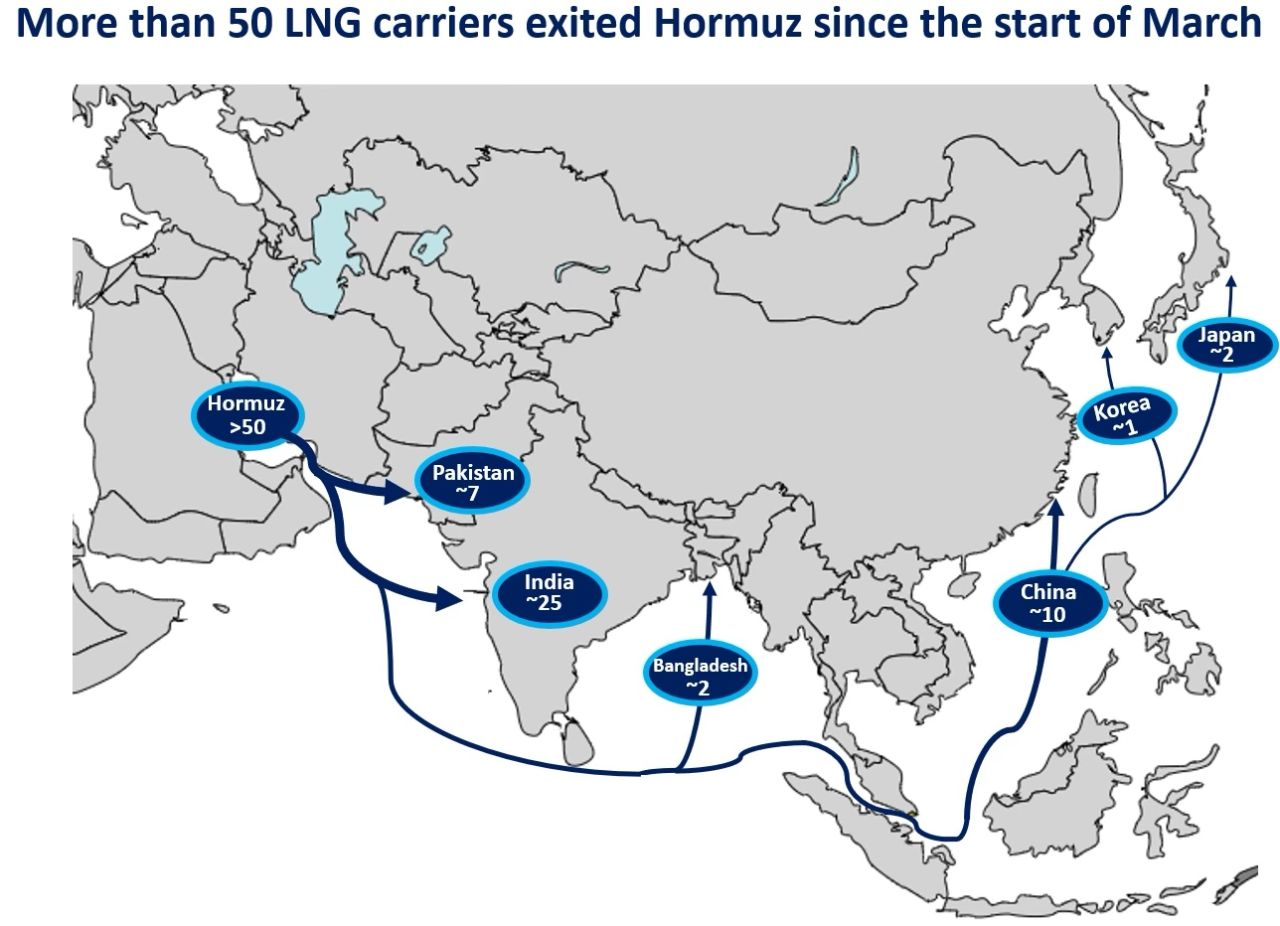
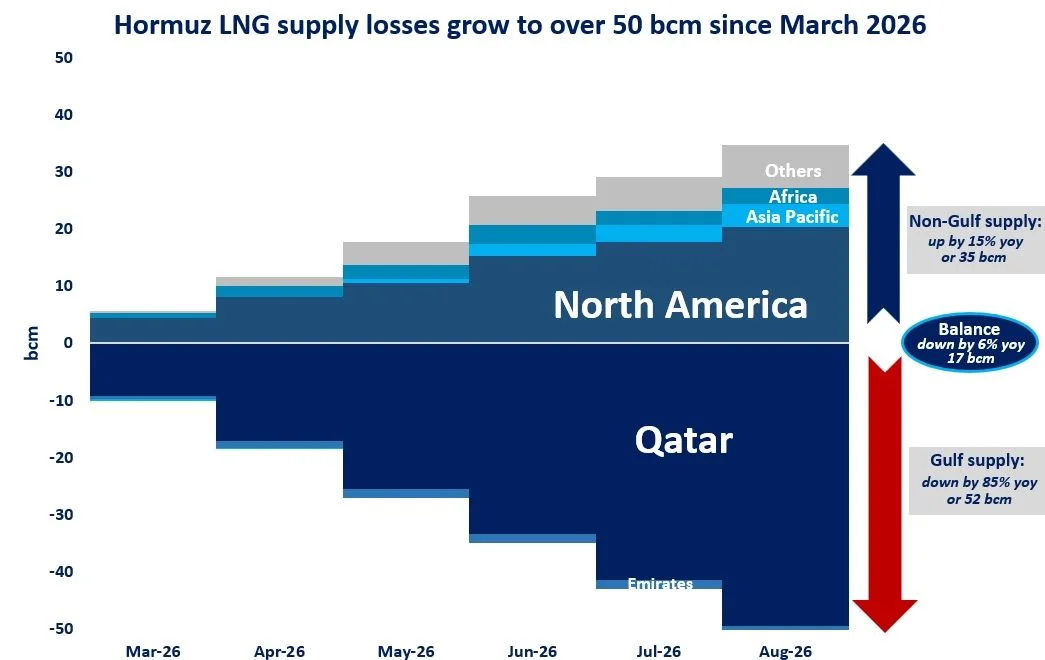
According to a new analysis by Haneea Isaad, Sam Reynolds of IEEFA, Pakistan’s LNG supply was severely affected after disruptions involving Qatar’s Ras Laffan export complex and reduced flows through the Strait of Hormuz.
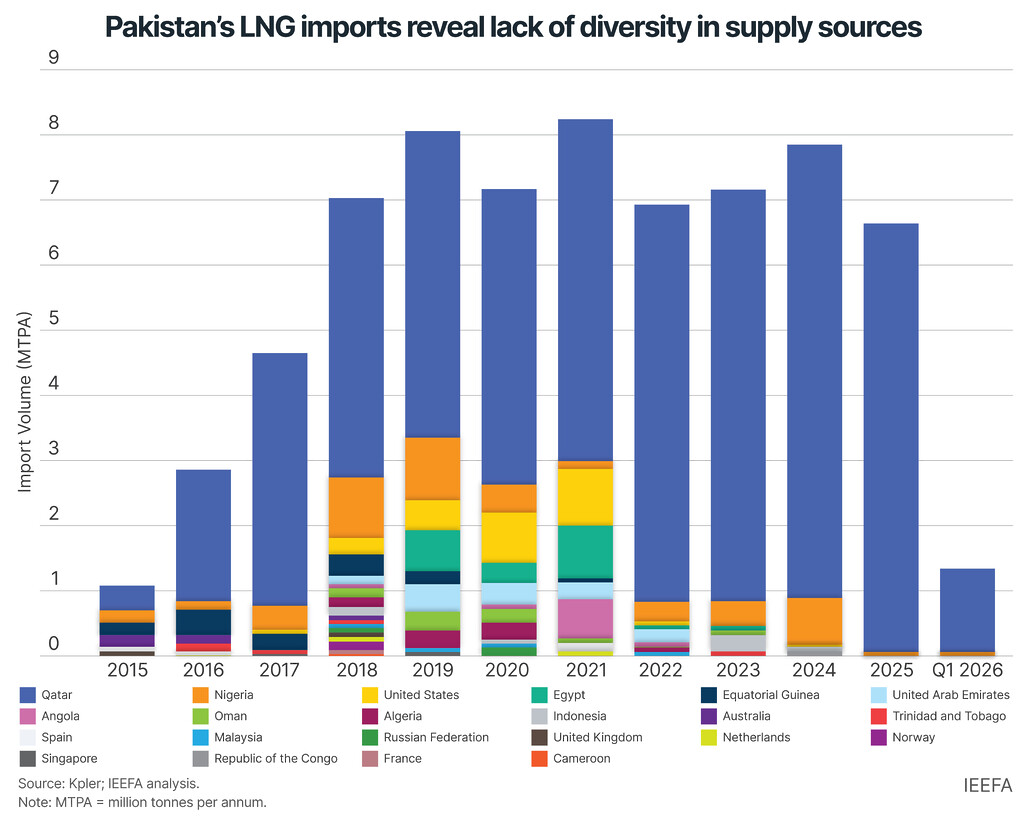
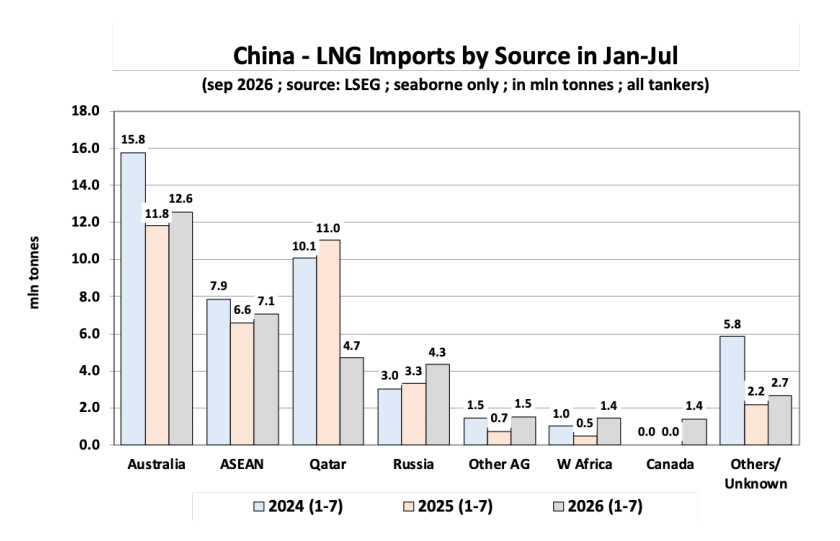
Qatar normally accounts for around 90% of Pakistan’s LNG supply, making the country particularly vulnerable to geopolitical events affecting Middle Eastern energy exports. Even as tensions ease, damage to part of Qatar’s production capacity is expected to have longer-term implications for LNG availability.
The situation has once again exposed the challenges associated with LNG dependence. Pakistan previously experienced similar difficulties during the 2022 energy crisis, when soaring LNG prices and cargo delivery defaults left the country struggling to secure supplies. The latest disruption has revived concerns about the reliability and affordability of imported LNG in periods of market stress.
Despite reduced LNG availability, Pakistan’s power system has proved more resilient than during previous crises. Expanded solar deployment, greater hydropower generation and a more diversified electricity mix have helped limit fuel shortages and reduce the impact on electricity supply. Nevertheless, maintaining adequate generation during periods of peak demand remains a challenge, particularly during evening hours when solar output falls.
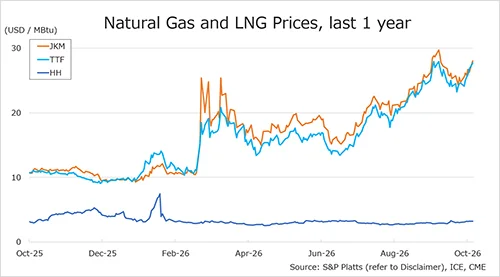
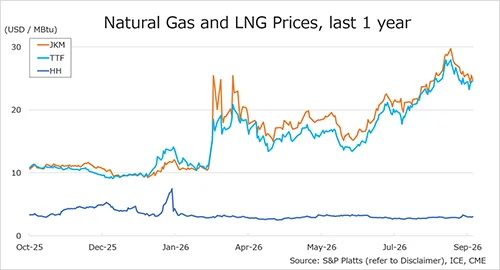
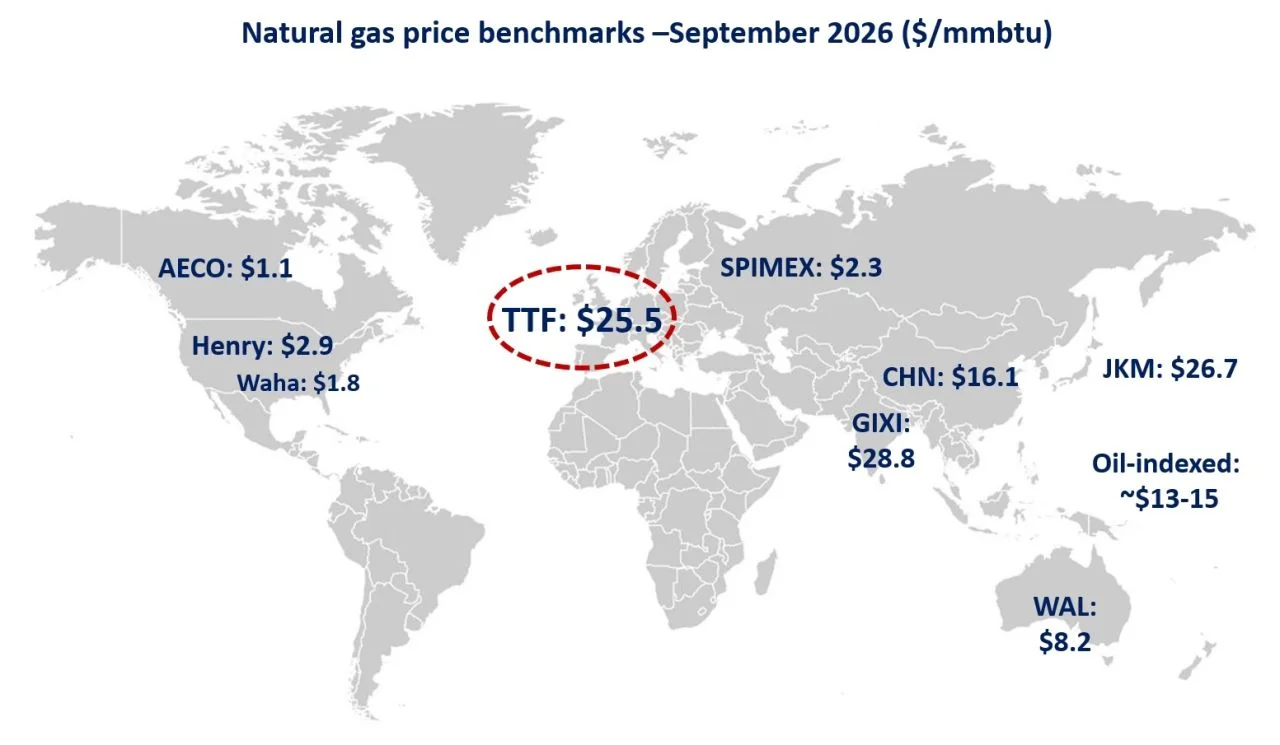
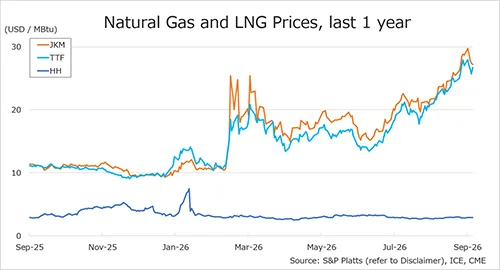
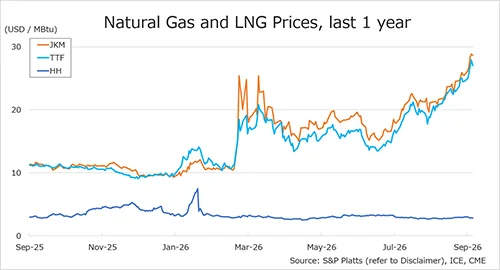
The report notes that spot LNG procurement remains an option but could come at a significant cost. Rising competition from wealthier buyers across Asia and Europe has pushed spot prices higher, increasing the risk that import-dependent countries such as Pakistan may once again struggle to secure affordable cargoes during periods of market tightness.
Looking ahead, the authors argue that battery energy storage systems could play a critical role in reducing LNG dependence. Rapid growth in battery deployment would allow Pakistan to make greater use of solar generation while reducing the need for gas-fired power during peak demand periods.
However, achieving this transition will require grid modernization, wider deployment of smart metering and improved system flexibility.
The report concludes that reducing reliance on imported LNG may offer the most durable solution to future energy security challenges, particularly as geopolitical uncertainty continues to shape global gas markets.
Source: Institute for Energy Economics and Financial Analysis (IEEFA), “Breaking Pakistan’s LNG Dependence Cycle“, by Haneea Isaad and Sam Reynolds. The original article contains additional analysis and commentary and can be accessed here