A strike on Iran’s South Pars gas field, followed by retaliatory attacks on Qatar’s Ras Laffan LNG hub, marks a clear escalation in the conflict between Israel, the United States and Iran — and, more importantly, a direct hit on the foundations of the global gas system.
What initially appeared to be a targeted strike on Iranian infrastructure has rapidly evolved into something far more consequential. This is no longer a contained geopolitical event. It is an energy system event.
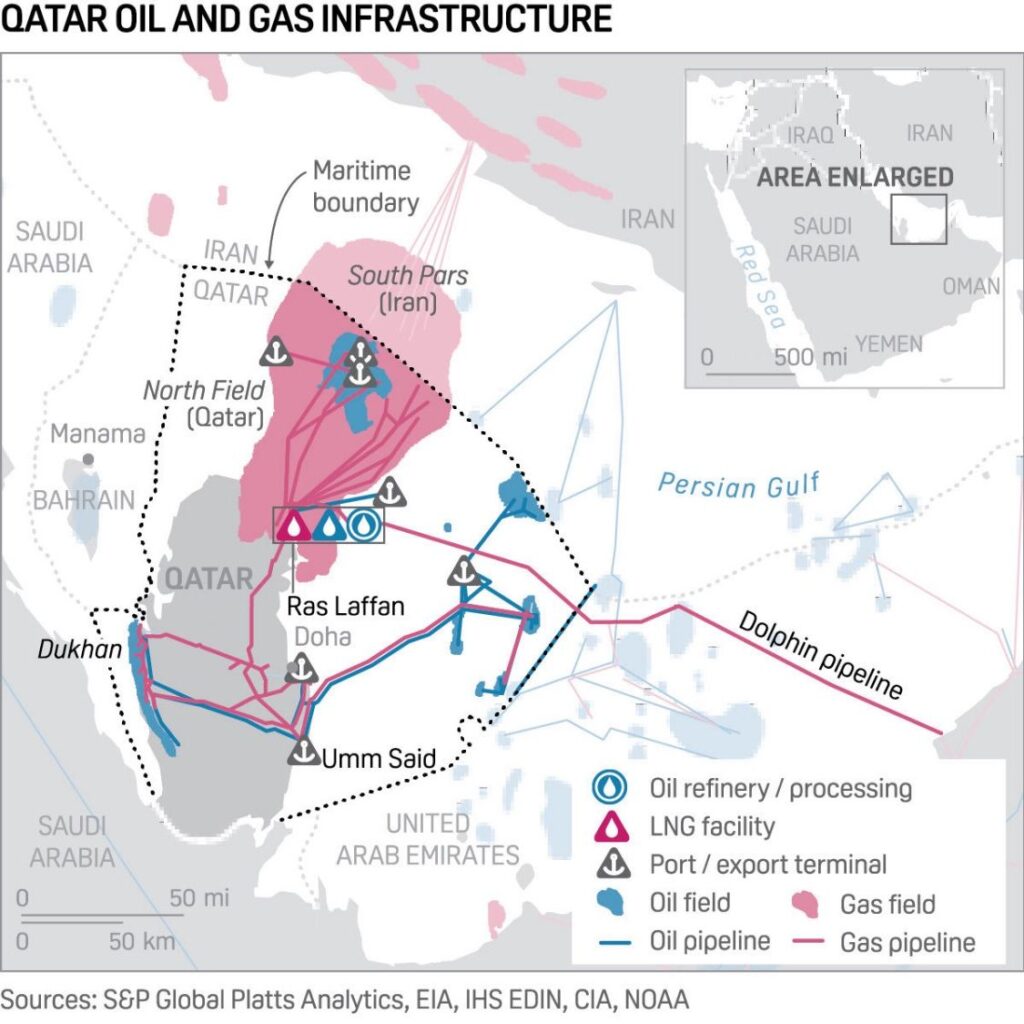
As Greg Molnar notes, the scale of what is at stake cannot be overstated. The North Field / South Pars reservoir, shared between Qatar and Iran, is the largest gas field in the world, holding around 50 trillion cubic metres of gas — more than 85 times annual global LNG trade.
On the Qatari side, the North Field underpins almost the entirety of the country’s gas production and is exceptionally competitive due to its high condensate content, with breakeven costs in some areas effectively negative.
On the Iranian side, South Pars alone accounts for roughly 70% of total gas production. In other words, both sides of this shared reservoir are system-critical.
The immediate question, as highlighted by Anne-Sophie Corbeau, is the extent of the damage. It remains unclear how many of the field’s 24 phases have been hit or shut down, but the implications are already evident.
South Pars represents around 260 bcm of production, meaning the first impact is domestic, with Iranian gas consumers likely to feel the effects quickly.
Beyond that, the first-order international impact centres on pipeline exports to Turkey and Armenia, which together account for roughly 8 bcm per year. Any disruption here forces a rebalancing — with Turkey potentially turning to additional Russian gas or LNG.
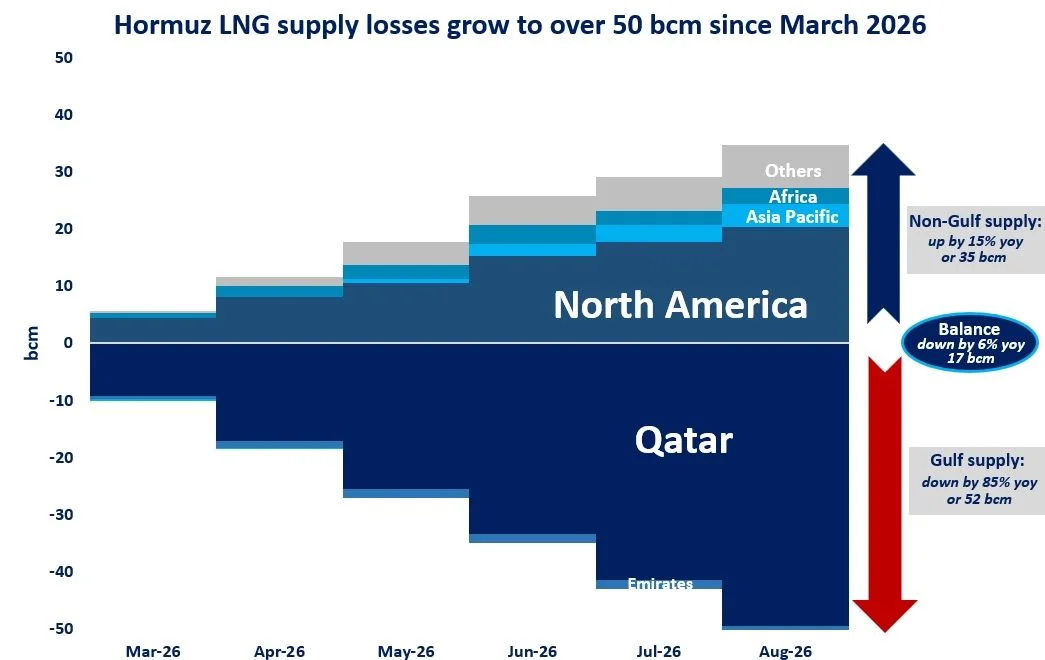
The more serious concern lies in what Corbeau describes as second-order effects. The risk is no longer limited to Iran. It extends to Gulf energy infrastructure more broadly, and in particular to Qatar’s Ras Laffan LNG hub. That concern has now materialised. Reports indicate that Ras Laffan has been targeted, with the scale of the damage still unclear but potentially significant.
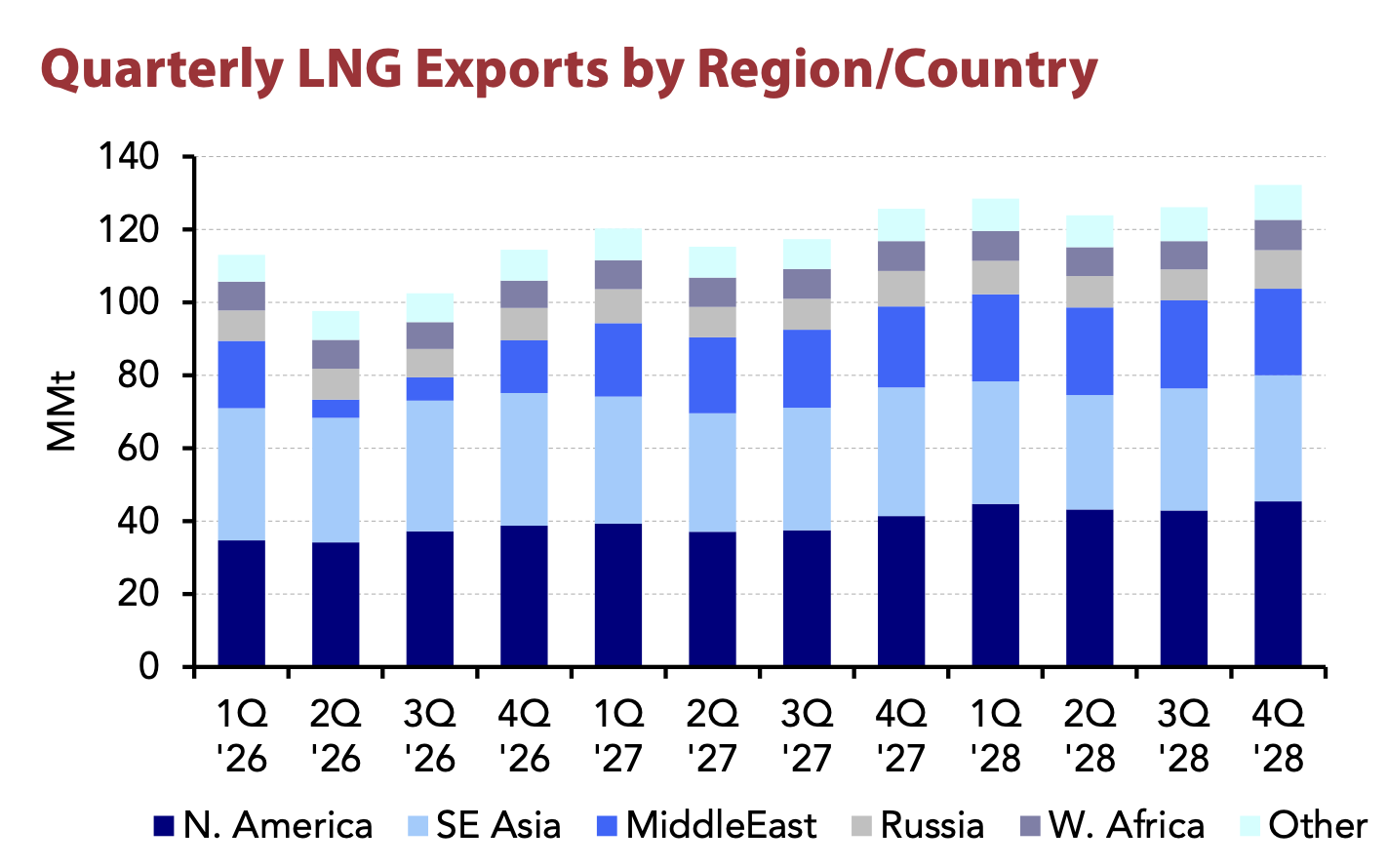
As Francesco Sassi and Giovanni Bettinelli point out, this represents the crossing of another red line, with LNG infrastructure itself now directly in the line of fire and the likelihood of further attacks increasing. Even if shipping routes remain open, damage to liquefaction capacity could extend the duration of global LNG supply disruption.
This is why some market observers are already describing the situation as a structural supply shock. The issue is no longer short-term disruption but the integrity of a system that depends heavily on a small number of concentrated assets.
For Europe, the implications are immediate and uncomfortable. As Andrés Cala highlights, around 7 bcm of Iranian gas exports to Turkey are now at risk, along with roughly 1.5 bcm of Turkmen gas transiting via Iran. If Tehran redirects supply to its domestic market or declares force majeure, the impact flows directly into Turkey’s balance.
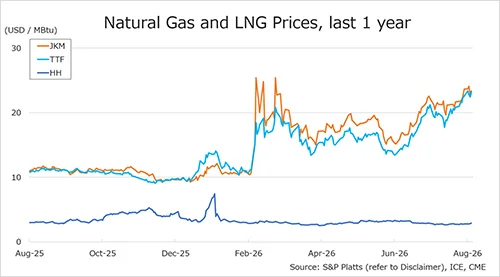
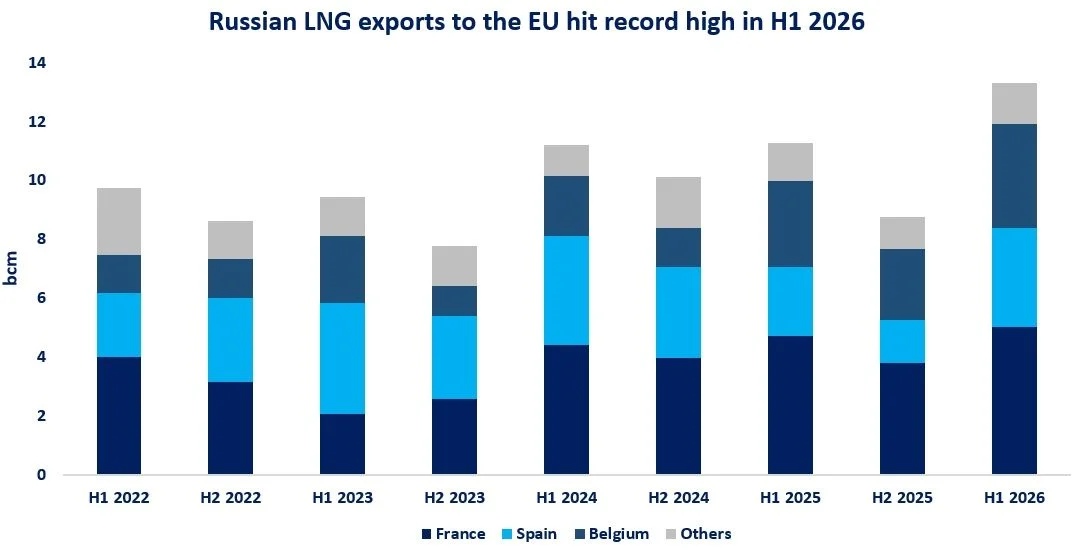
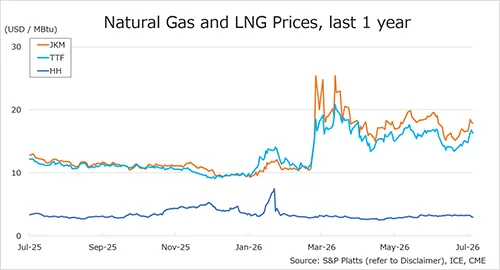
The likely outcome is greater reliance on Russian pipeline gas, tighter transit flows into Europe, and increased competition for LNG cargoes. Prices, in that scenario, move higher.
But the more consequential shift is geopolitical.
The strike and subsequent retaliation increase the likelihood that additional actors are drawn into the conflict. Turkey, in particular, has clear red lines around energy security and is unlikely to remain passive if those are crossed.
At the same time, as Sassi and Bettinelli observe, the pattern of escalation suggests that events are increasingly being driven by regional actors themselves, with limited ability for external powers to control the trajectory. The probability of a prolonged conflict, with sustained disruption to energy infrastructure, is rising.
Taken together, the events of the past 24 hours represent a shift from isolated infrastructure risk to systemic vulnerability. The global gas and LNG system is not just reacting to disruption — it is being tested at its core.
This is no longer a question of how much supply has been lost. It is a question of whether the system, built around a handful of critical assets, can withstand direct and repeated attacks on its most important nodes.