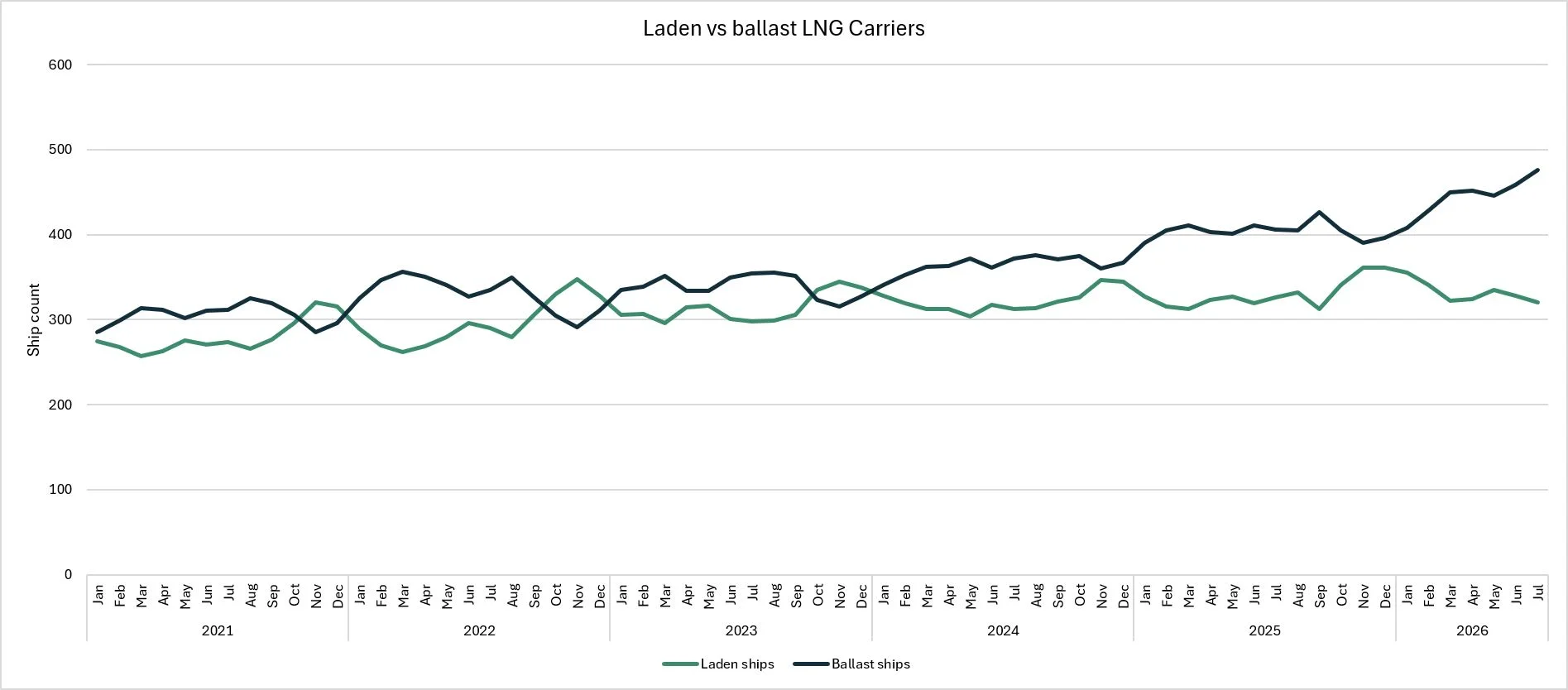
LNG shipping is tightening as Europe’s storage deficit and rising price risk drive portfolios to secure flexible tonnage ahead of winter demand.
Is it simply arbitrage and tonne‑miles doing the work, or are shipping portfolios quietly leaning into a 𝗯𝘂𝗹𝗹𝗶𝘀𝗵 𝗟𝗡𝗚 𝗽𝗿𝗶𝗰𝗲 𝗼𝘂𝘁𝗹𝗼𝗼𝗸?
At first glance, the story looks simple: wider arbitrage means longer voyages, higher tonne‑miles, and ships tied up for longer.
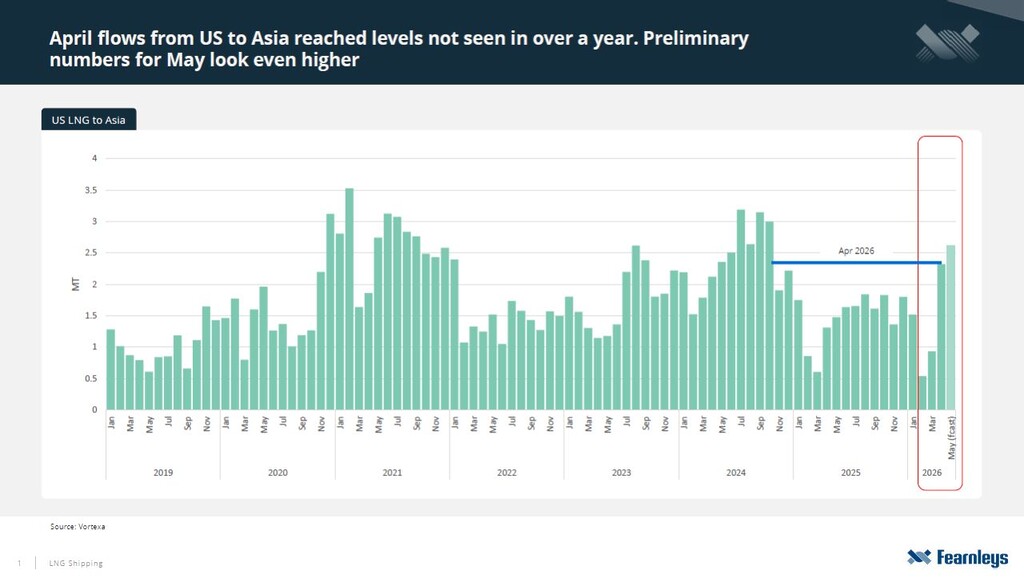
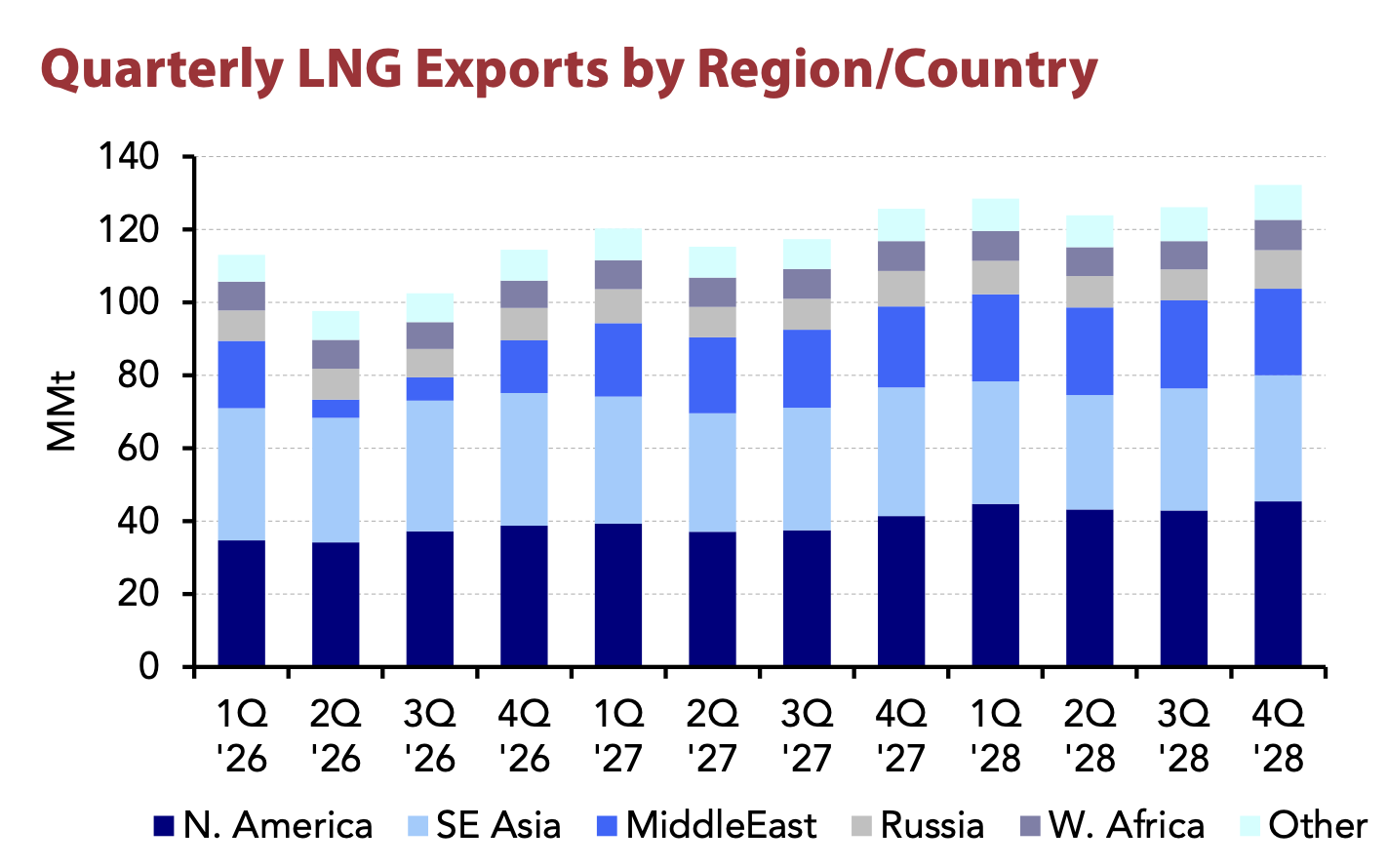
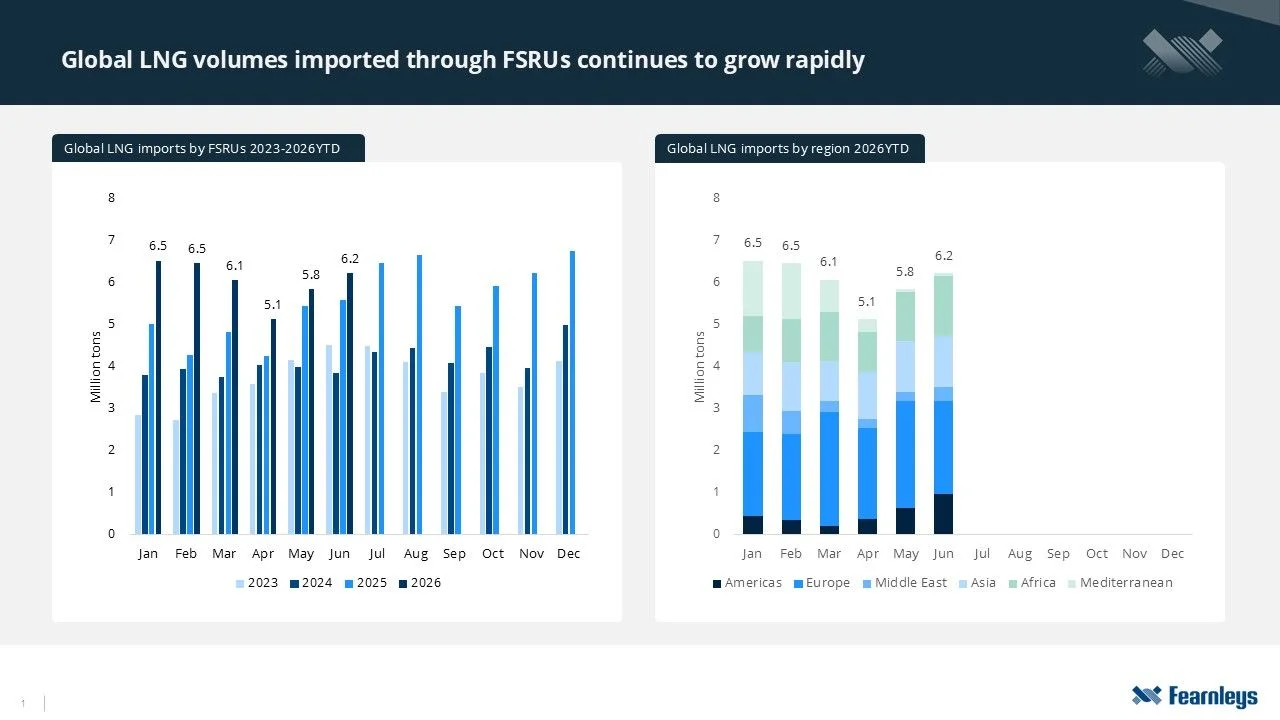
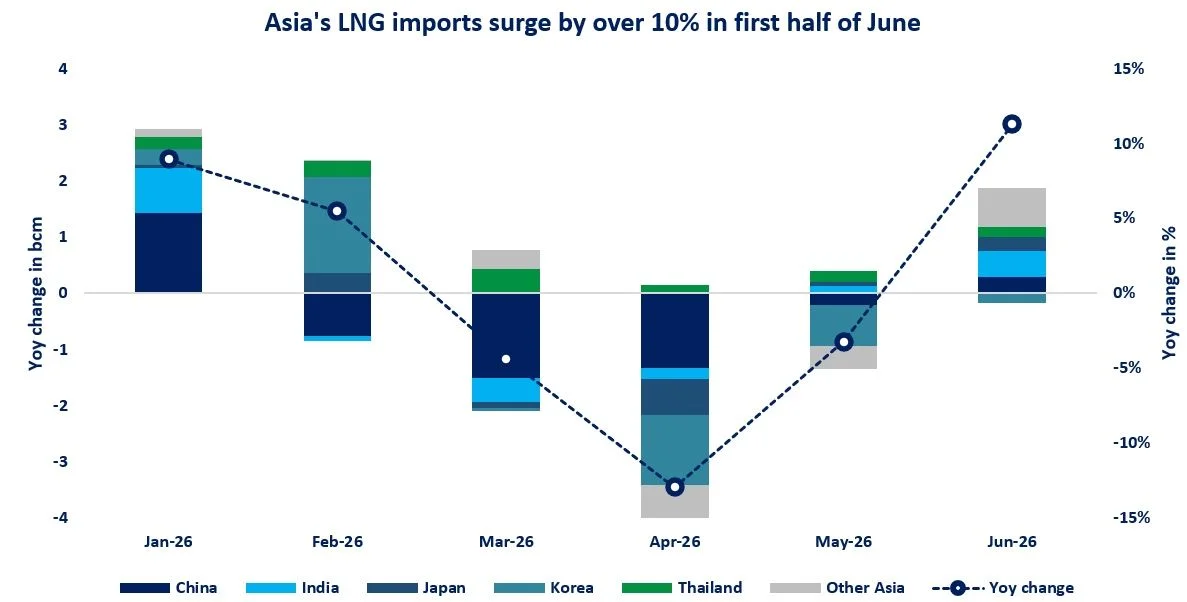
That is clearly part of the picture, as observed in the below data from Vortexa noting US to Asia flows in April at levels not seen in over a year. Indeed, May numbers are already tracking higher, and many are speculating that Asian demand will peak later in the summer.
The increased appetite for 𝗺𝗼𝗱𝗲𝗿𝗻, 𝗳𝗹𝗲𝘅𝗶𝗯𝗹𝗲 𝗟𝗡𝗚 𝘁𝗼𝗻𝗻𝗮𝗴𝗲 for multimonth through summer and winter suggests something more structural.
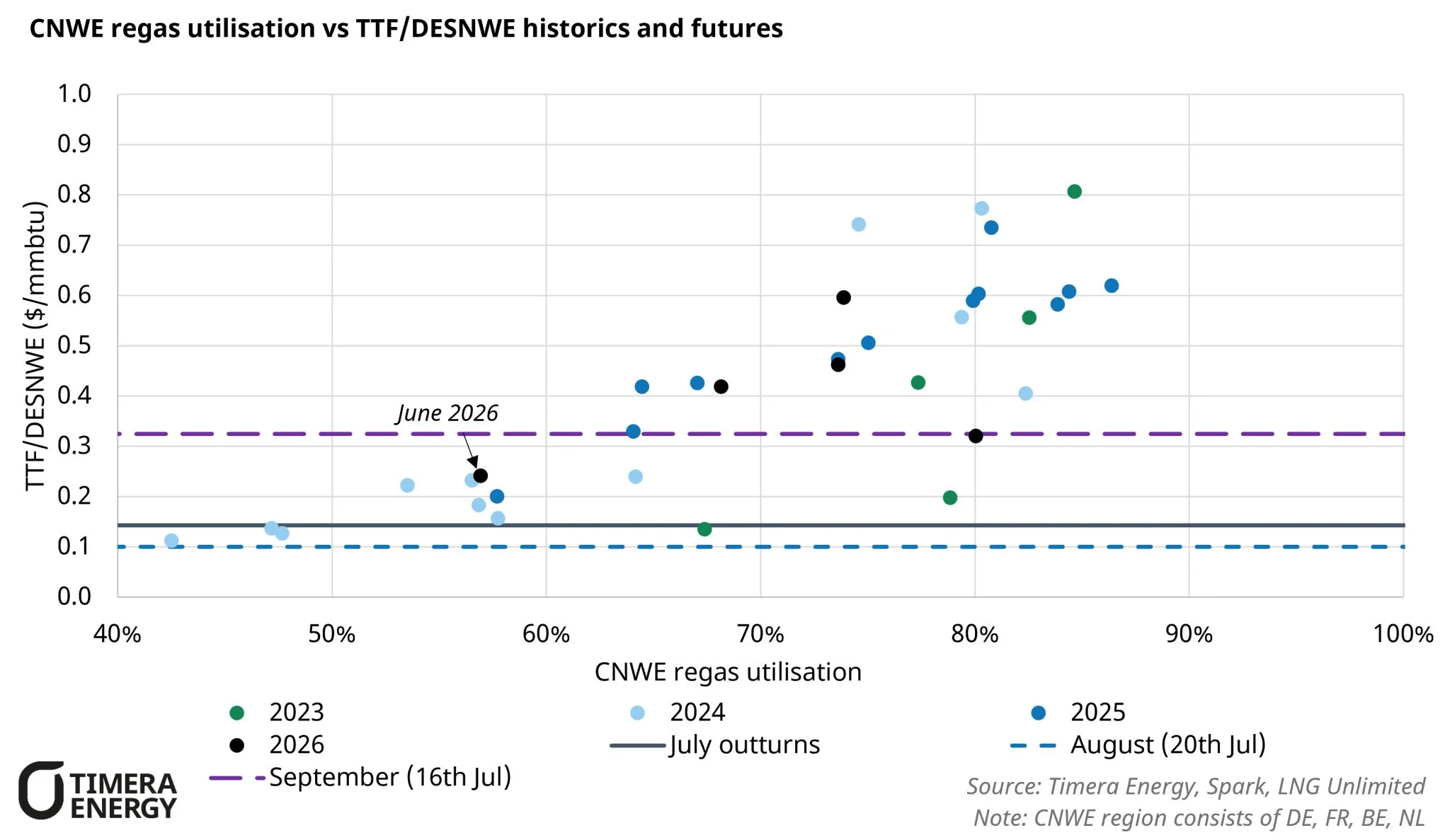
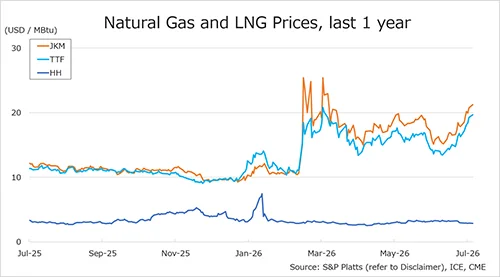
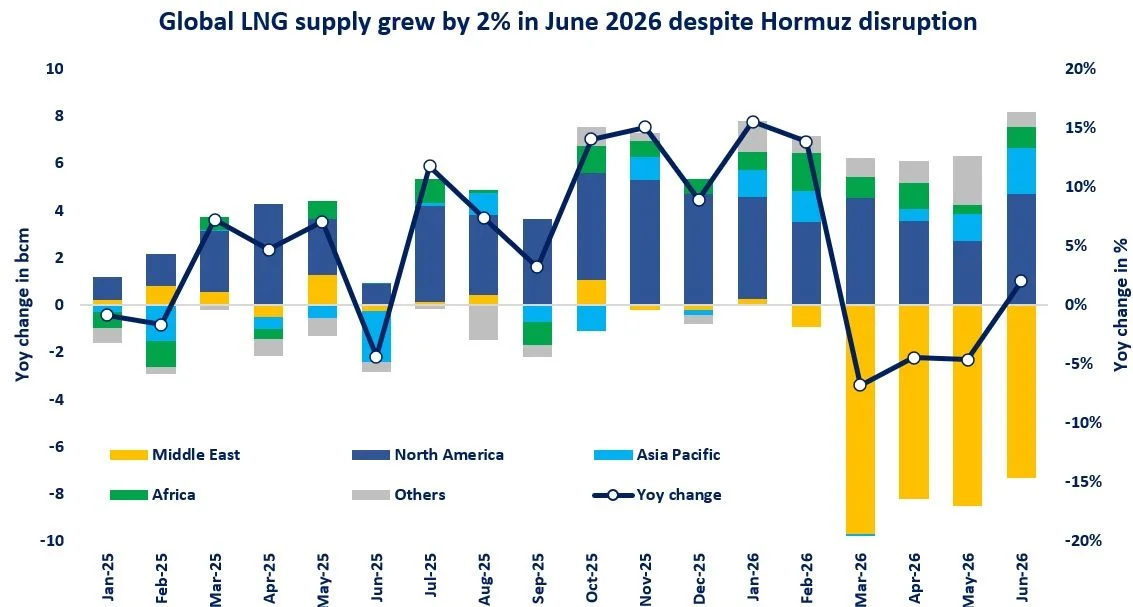
Europe enters the summer with a 𝗹𝗮𝗿𝗴𝗲 𝘀𝘁𝗼𝗿𝗮𝗴𝗲 𝗱𝗲𝗳𝗶𝗰𝗶𝘁 and limited margin for error ahead of winter. Even under optimistic assumptions, Europe needs to absorb a sustained flow of LNG cargoes through the injection season, and the system is already constrained by the curtailment of supply from the Middle East.
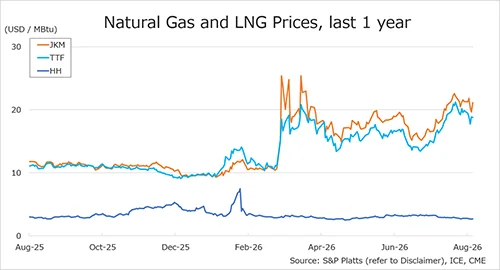
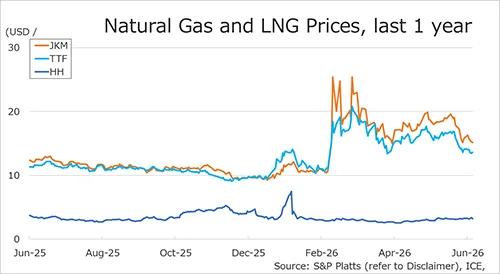
Against that backdrop, portfolios appear to be positioning not just for trade flows, but for 𝗽𝗿𝗶𝗰𝗲 𝗿𝗶𝘀𝗸.
Securing modern, efficient tonnage with genuine destination optionality increasingly looks like a hedge against a bullish LNG price outlook:
• If Europe fails to refill adequately, prices must respond higher
• If prices rise, competition for marginal cargoes intensifies
• If competition intensifies, flexibility and shipping optionality become critical
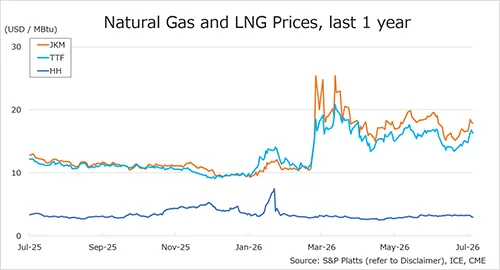
Current forward curves for Asian and Europe alike suggests flat product prices throughout winter – in contrast to the above.
That dynamic helps explain why availability of modern tonnage through Winter is tightening 𝗱𝗲𝘀𝗽𝗶𝘁𝗲 𝗵𝗲𝗮𝗱𝗹𝗶𝗻𝗲 𝗳𝗹𝗲𝗲𝘁 𝗼𝘃𝗲𝗿𝘀𝘂𝗽𝗽𝗹𝘆. It is not the number of ships that matters, it is who controls flexibility when price signals sharpen.
𝗜𝗻 𝘀𝘂𝗺𝗺𝗮𝗿𝘆 (𝗮𝗻𝗱 𝘀𝗽𝗲𝗮𝗸𝗶𝗻𝗴 𝗰𝗮𝘂𝘁𝗶𝗼𝘂𝘀𝗹𝘆):
With supply limited East of Suez and European storage still needing to be built, the bias on prices 𝘮𝘢𝘺 be higher. And if that is the case, securing modern, flexible shipping early starts to look less tactical, and more strategic.
Source: Fearnley LNG