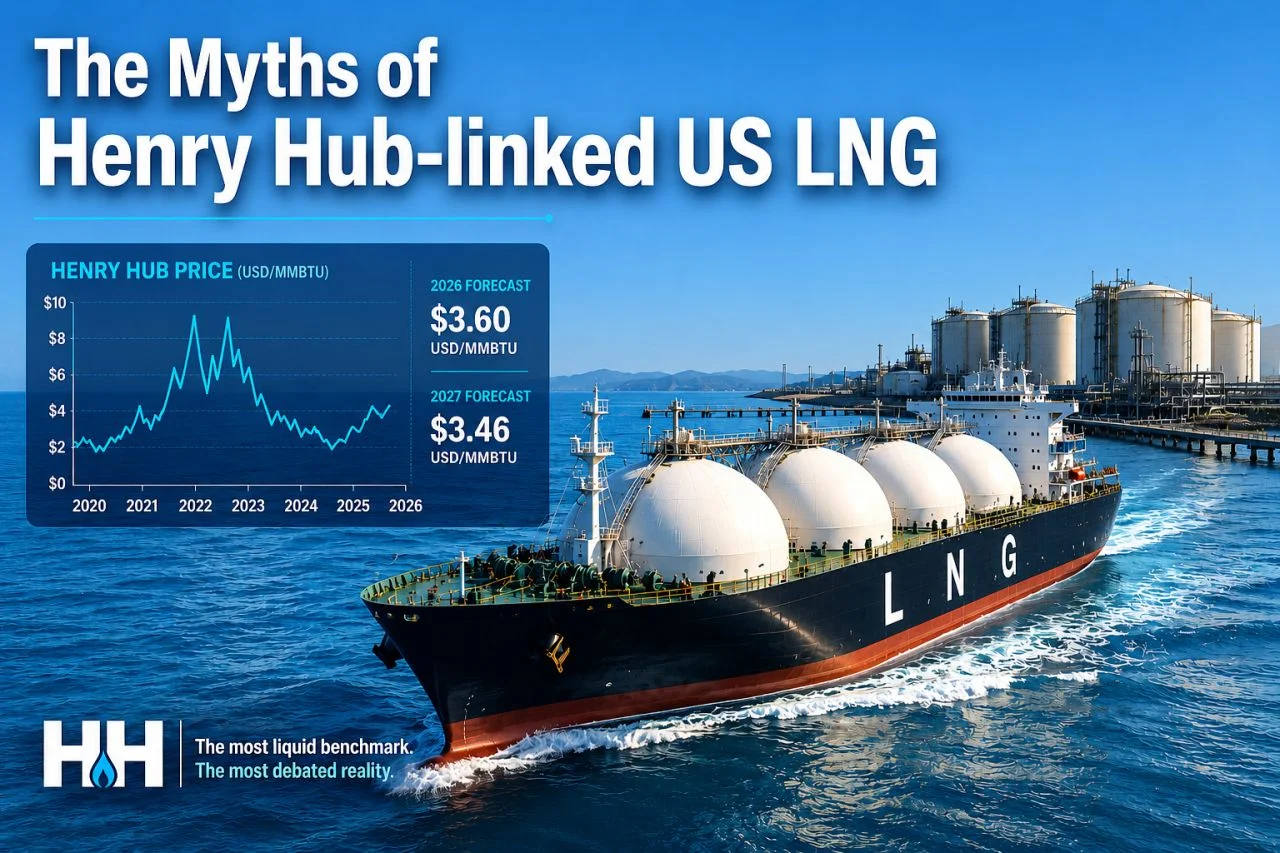
The rapid expansion of US LNG is increasingly strengthening the role of traders and portfolio players as destination-flexible, Henry Hub-linked volumes reshape the structure of the global LNG market and challenge Qatar’s more traditional long-term supply model.
North America’s LNG boom is being written as a geopolitical story – US versus Qatar.
We are missing another structural story where the beneficiaries are the Portfolio players & traders.
1. The Contrast: Qatar excludes traders while US needs them
Qatar and the US have built structurally opposite LNG models, and the difference determines real opportunity for portfolio players and traders.
• Reportedly Qatar Energy supplies 80-90% of its 80 mtpa under LT oil-indexed contracts directly with end buyers leaving limited space for traders. Qatar’s integrated model is deliberately designed to maximise the geopolitical premium by establishing direct relationships with specific buyers and eliminating the traders.
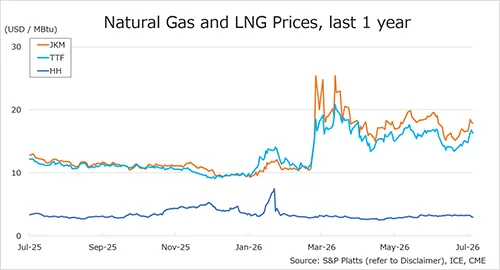
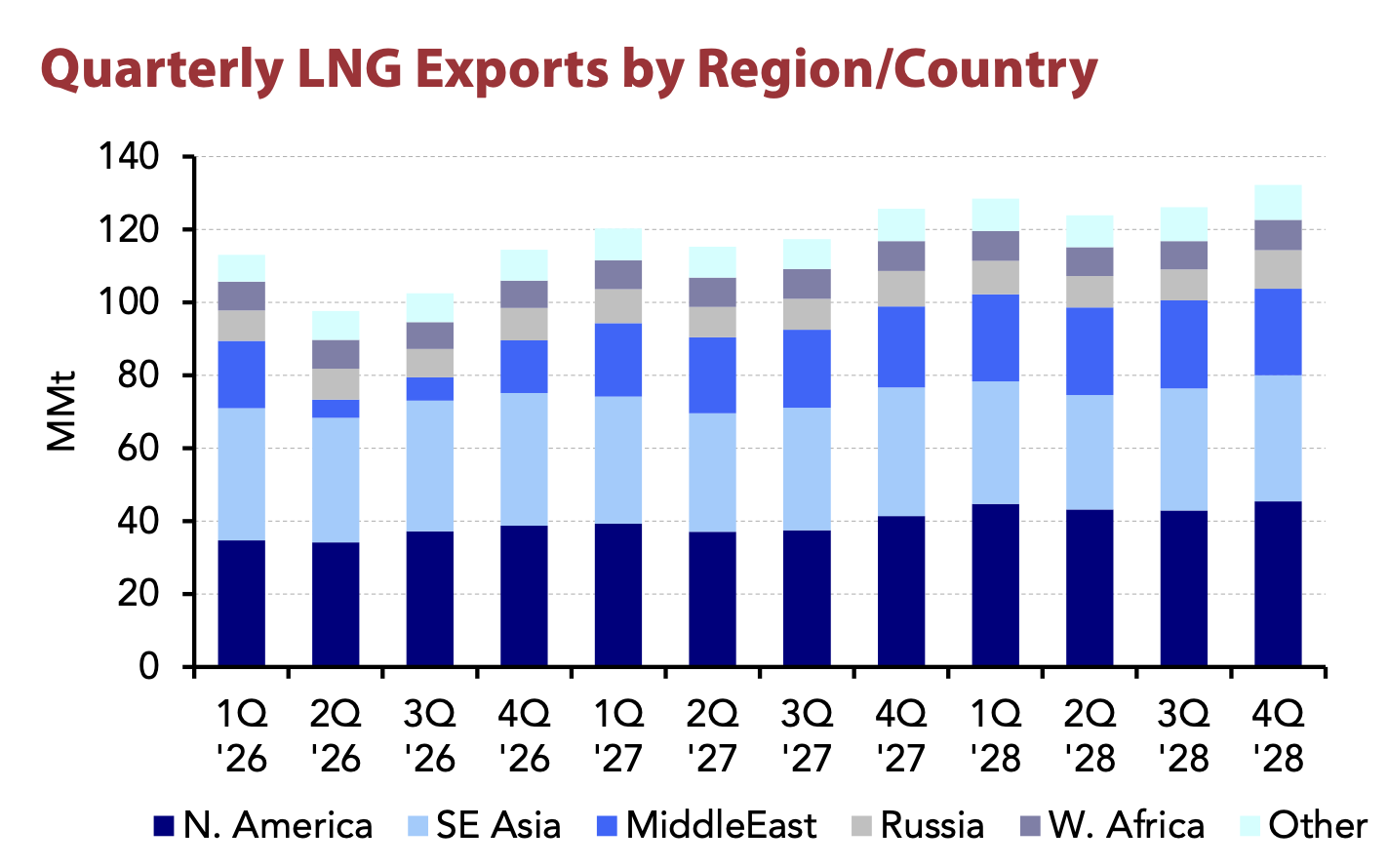
• Qatar is increasingly struggling to compete with HH-linked, destination-flexible US supply as Buyers wants flexible HH linked volumes.
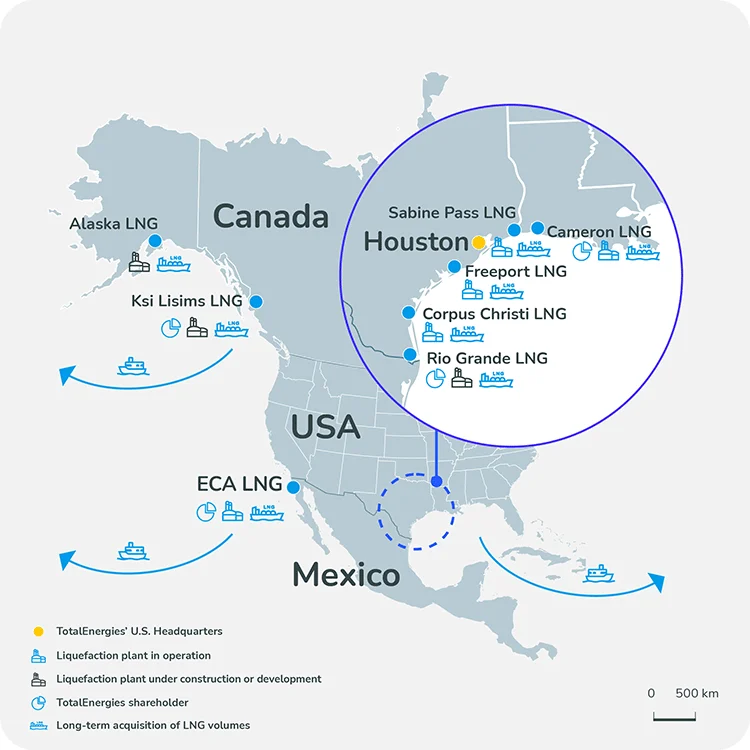
• US LNG is structurally built for Traders – FOB pricing at Henry Hub, full destination flexibility and zero resale restrictions.
Qatar’s significant volumes go directly to end buyers. US’s significant volumes go to Traders/IOCs books.
2. Asia is replacing Qatari Oil volumes with HH volumes – Trading books benefitted
Asian buyers are replacing expiring Qatari oil-linked volumes with US HH linked volume delivered through traders and also adding new HH volumes.
• KOGAS’s ~5 mtpa LT contract with Qatar Energy expired in 2024. KOGAS reportedly replaced it with 3.3 mtpa of US HH linked LNG split between Trafigura, TotalEnergies and BP starting 2028.
• Japanese companies signed 7.5 mtpa of new HH linked LNG contracts with US companies in 2025.
• Wood Mackenzie documented that in 2017 these four firms traded ~27 mtpa of LNG. By 2025 combined volume reached over 60 mtpa. More than doubled in eight years.
• Visibly, Portfolio players and traders dominate the US HH linked LNG offtake.
3. The Derivatives book: Pricing flexibility US volumes offer
The US LNG model gives traders everything – volume to anchor the book, destination flexibility to chase the spread and deep derivatives markets to manage the risk.
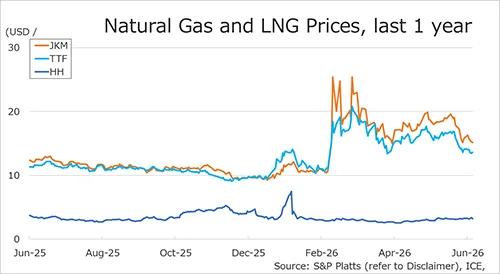
• Three deep and liquid benchmark markets exist simultaneously. HH futures on NYMEX, Brent on ICE and JKM clearing through ICE. A trader holding a HH-linked physical position can stack up financial positions across all three at the same or commercially beneficial moment and restructure price exposure.
• The mechanics: buy US LNG at HH. Sell HH futures to neutralise gas price risk. Simultaneously enter Brent or JKM derivatives. The physical cargo becomes synthetic linked to oil or JKM.
• In volatile markets the spread between benchmarks is the real prize and only traders & Portfolio players with global derivatives infrastructure, ISDA agreements and cross-commodity execution capability can claim it.
Qatar built the LNG world on a model that bypassed traders entirely. The US built one that struggles to function without them.
Source: Divyesh Desai (Linkedin)