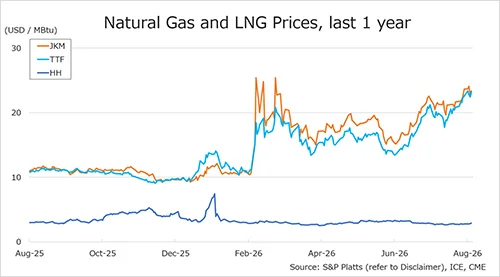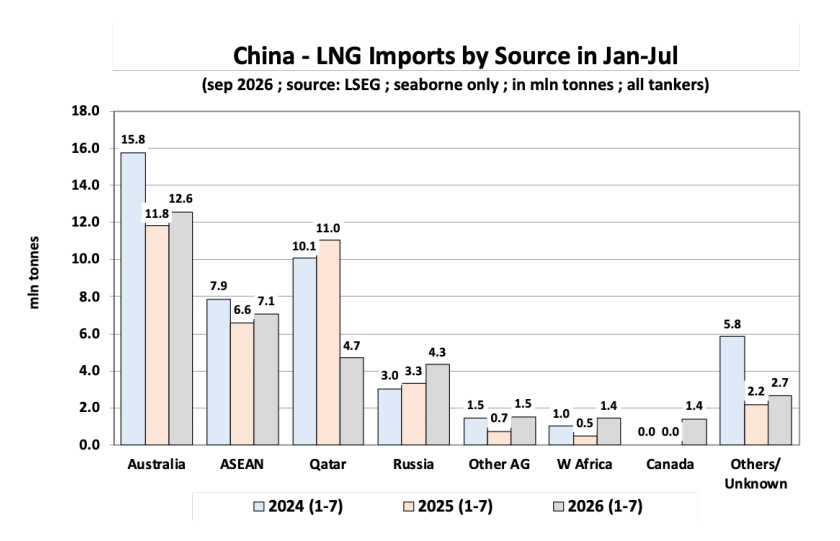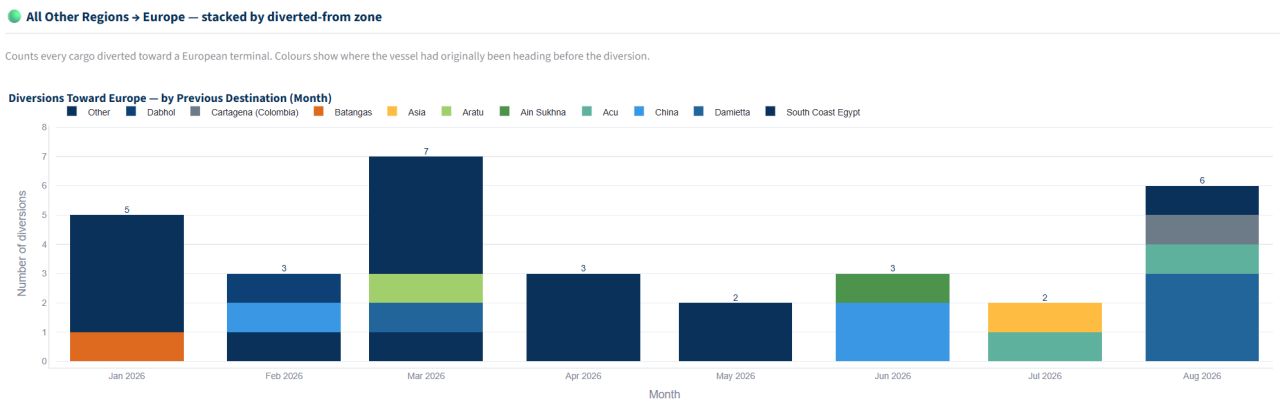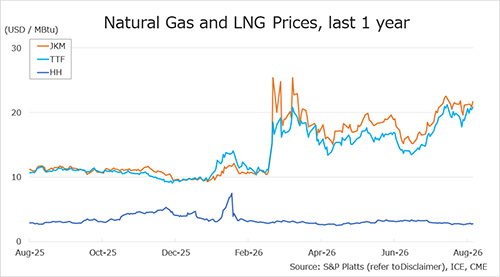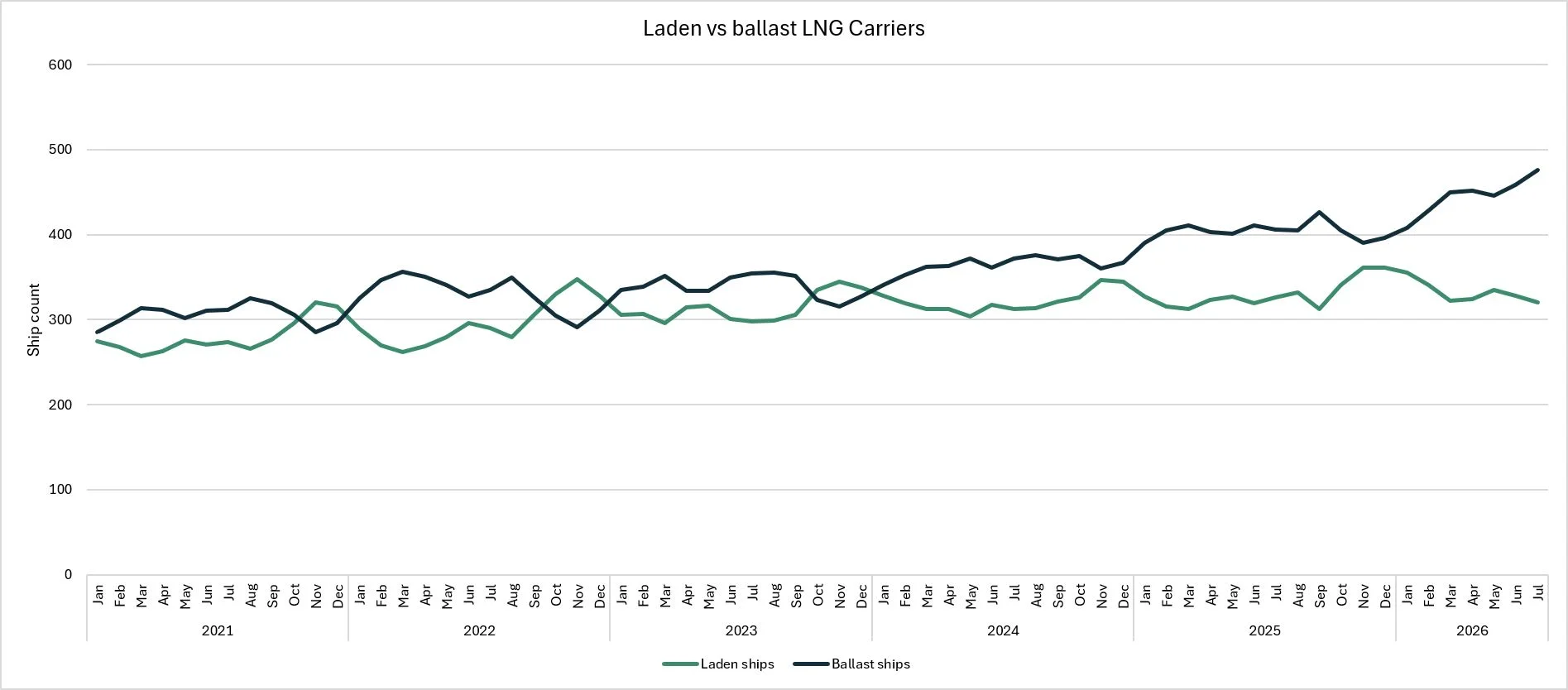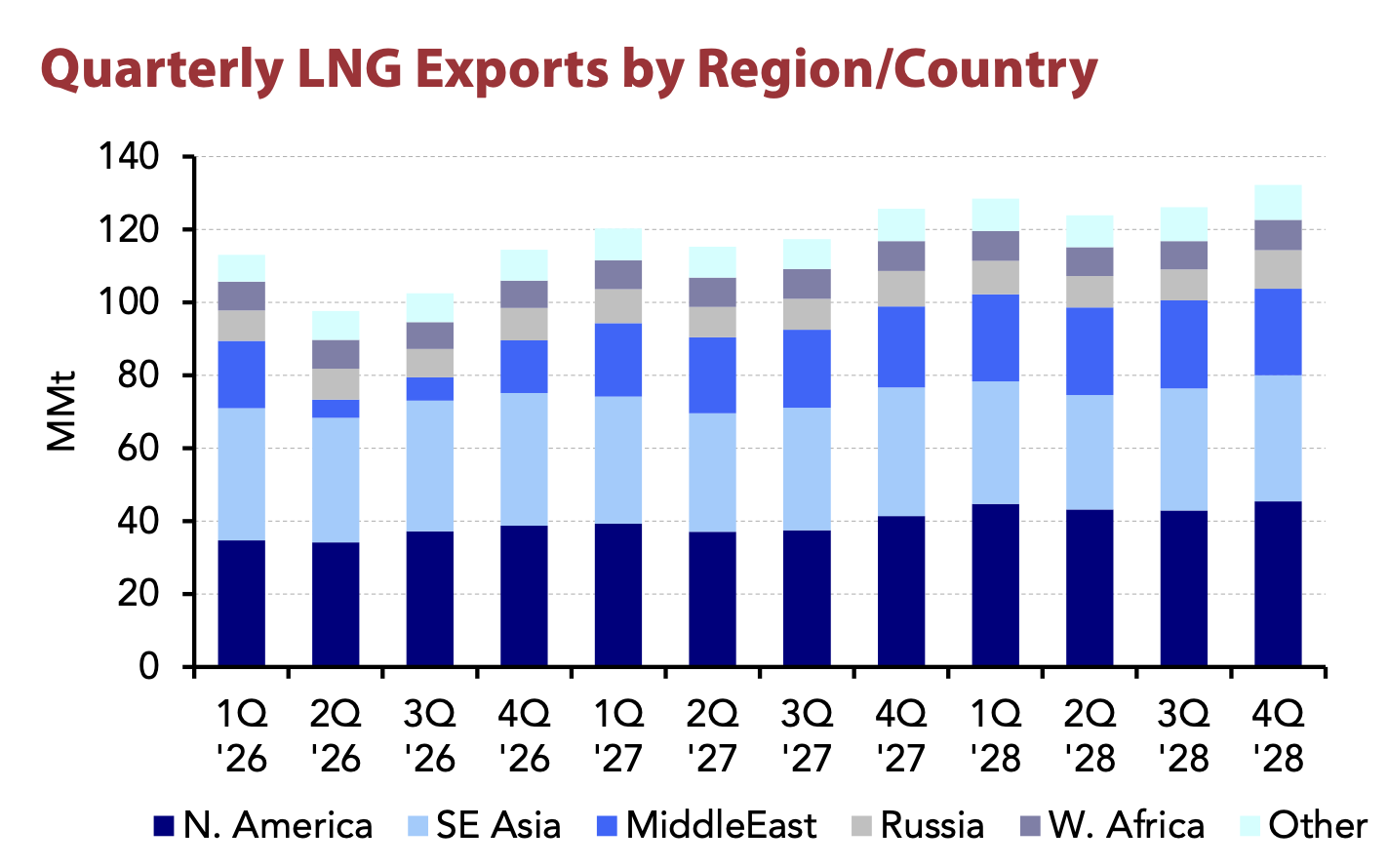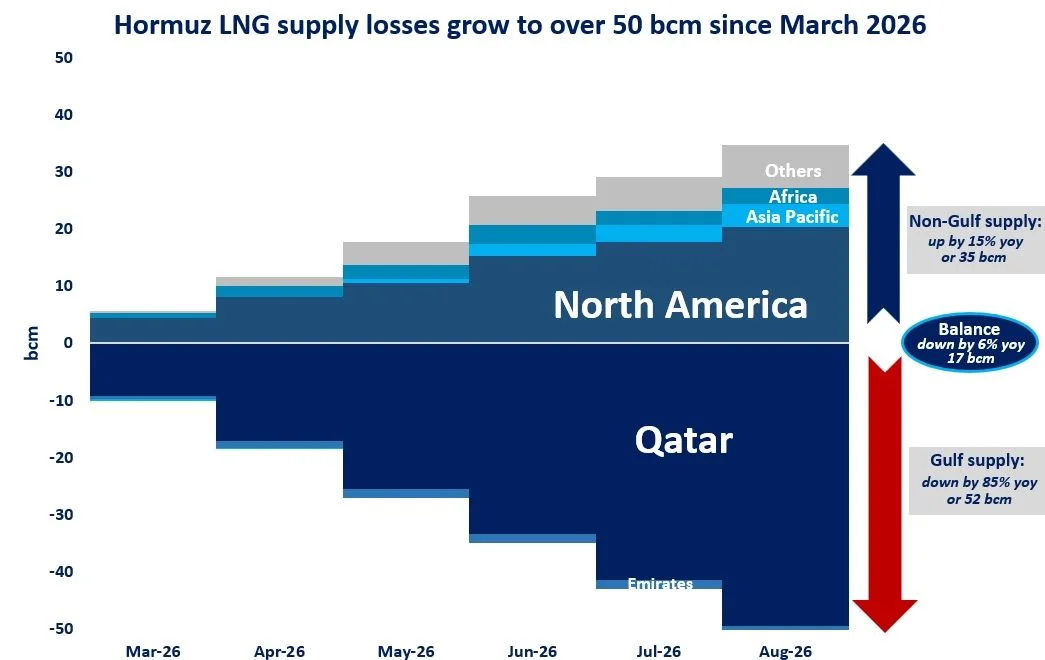

Qatar LNG is facing severe export disruption after escalating regional conflict damaged infrastructure and restricted shipping routes through the Strait of Hormuz. The crisis has significantly reduced LNG export capacity, raising concerns about long-term supply stability and the impact on global gas markets.
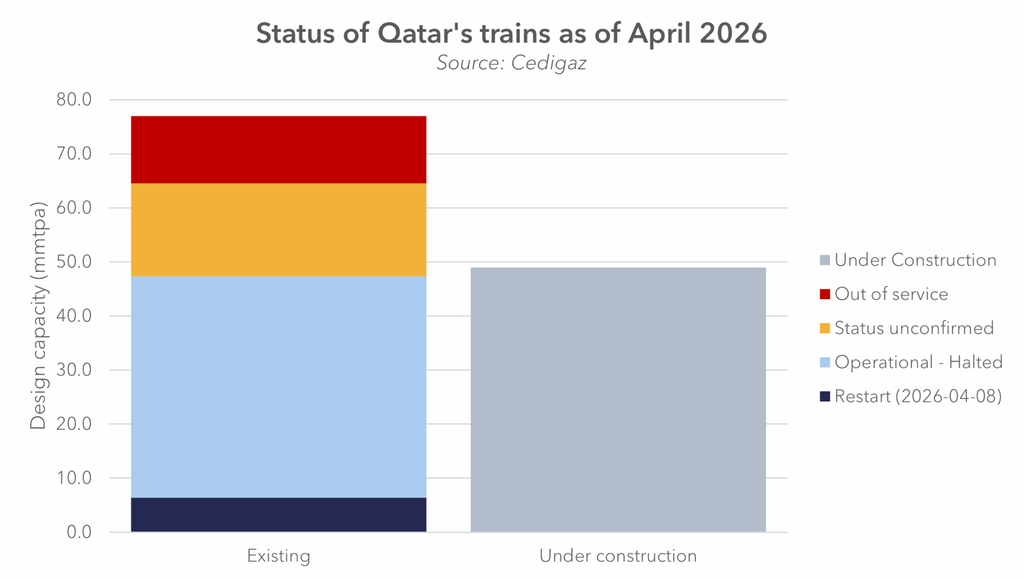
The article explains how attacks and operational disruptions at Ras Laffan affected multiple LNG trains, removing nearly 17% of Qatar’s export capability. Major buyers across Europe and Asia, including China and South Korea, could face supply shortages as repairs may take several years due to damage to specialized LNG equipment.
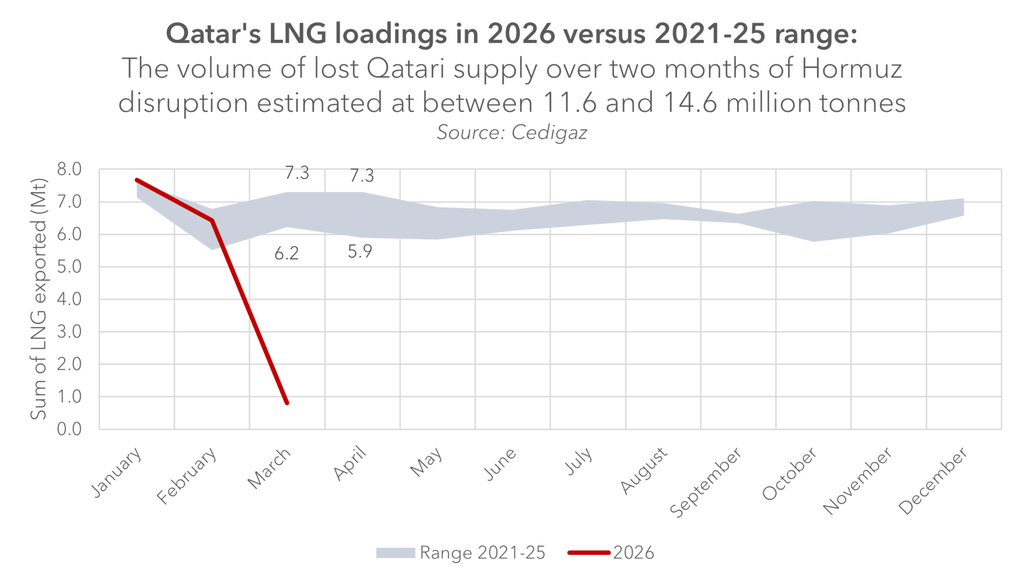
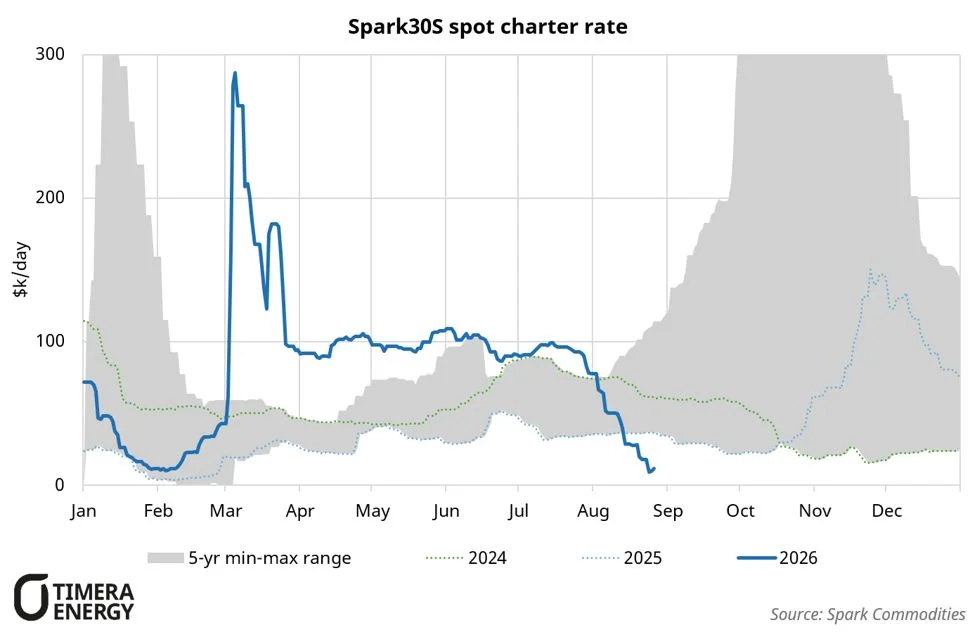
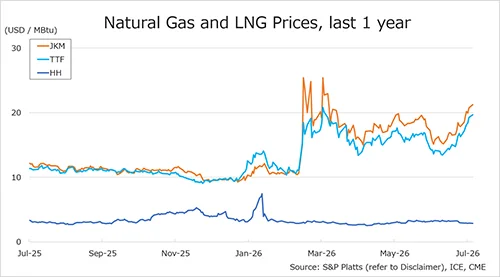
The disruption has also limited LNG tanker movements through the Strait of Hormuz, creating additional pressure on global LNG trade flows. Analysts expect tighter supply conditions, higher spot prices, and increased competition for alternative LNG cargoes as importers attempt to secure replacement volumes.
Source: CEDIGAZ