A growing mismatch between supply growth and import infrastructure suggests that LNG downstream investment is becoming one of the energy market’s most overlooked needs.
The common market perception has long been that “global regasification capacity has never been a bottleneck.” The data tells a more nuanced and increasingly concerning story.
𝗧𝗵𝗿𝗲𝗲 𝗳𝗮𝗰𝘁𝘀 𝘁𝗼 𝗻𝗼𝘁𝗲:
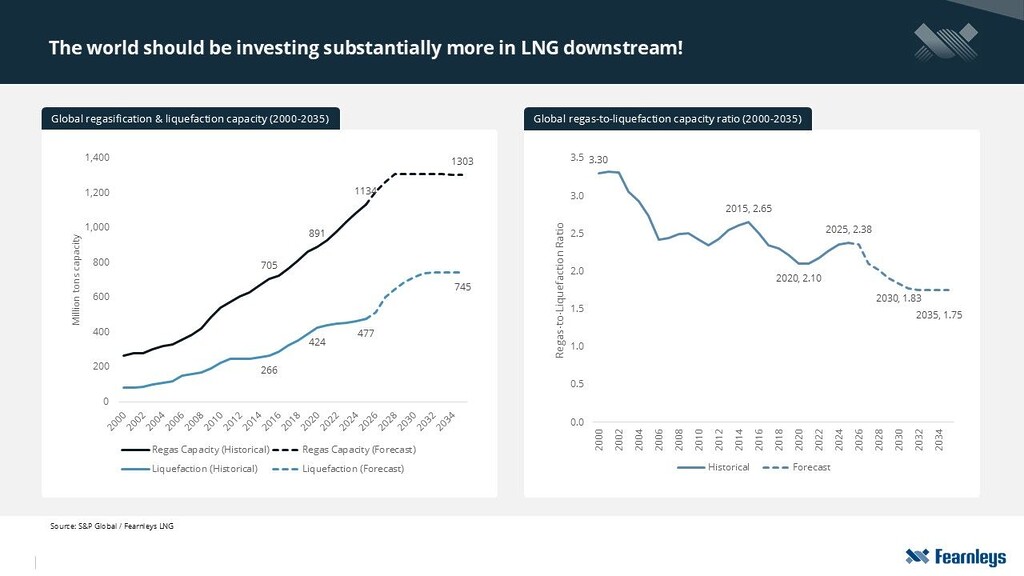
The regas-to-liquefaction capacity ratio has been declining for a decade, falling from 2.7 in 2015 to 2.1 in 2020 before inching higher to 2.4 in 2025. This has been driven by a surge in US liquefaction capacity coming onstream alongside limited investment in regasification outside of China.
Global LNG trade is simultaneously becoming “shorter dated.” Long-term offtake contracts are giving way to short-term trading, with LNG increasingly functioning as a swing factor in national energy mixes. This shift puts additional pressure on flexible and available regasification capacity.
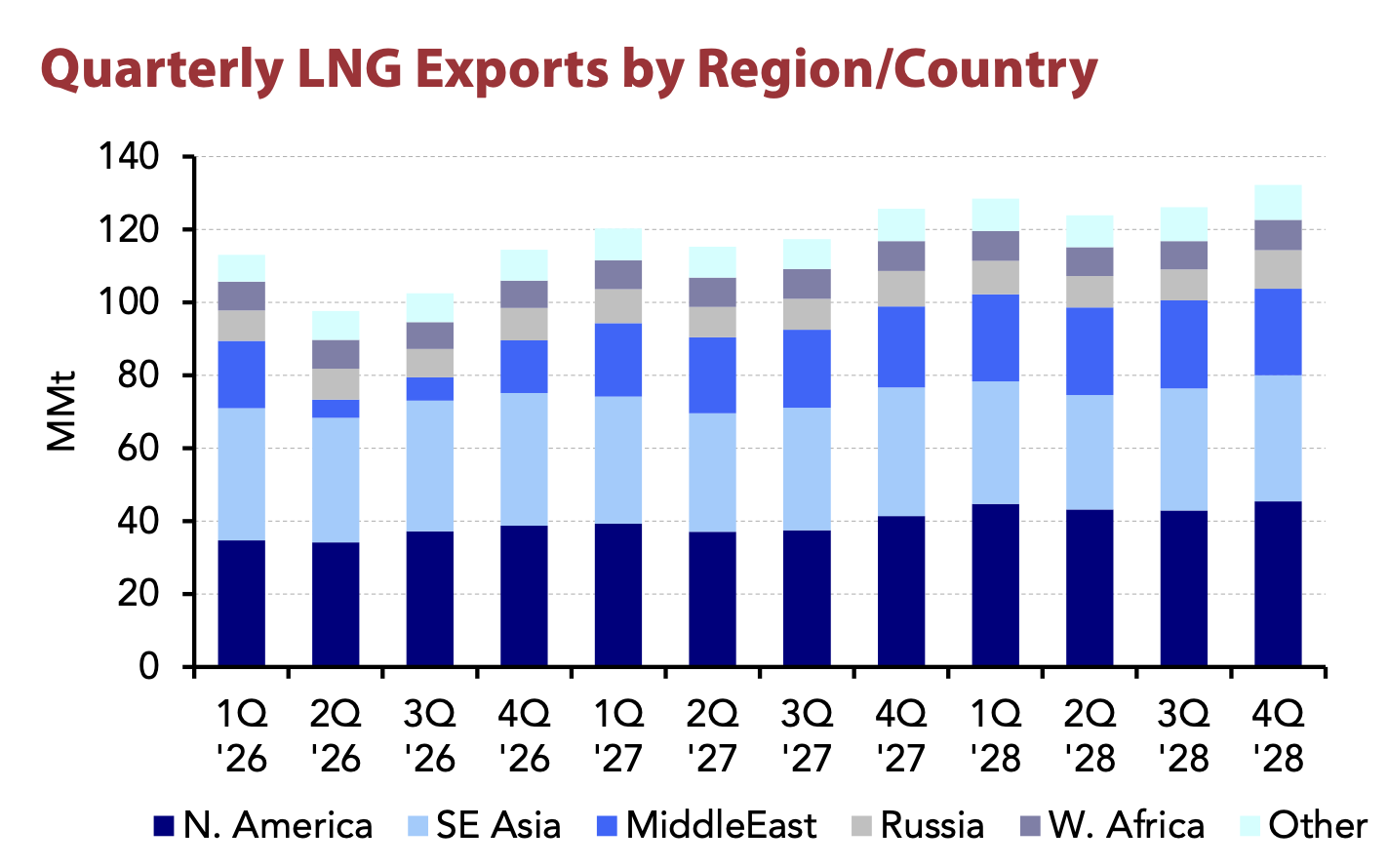
The base case being (subject to conflict disruption) that steep growth in liquefaction is locked in through 2031–2032, with projects already under construction or in commissioning across multiple continents, we see the continued compression in liq-to-regas ratio.
𝗧𝗵𝗿𝗲𝗲 𝗼𝗯𝘀𝗲𝗿𝘃𝗮𝘁𝗶𝗼𝗻𝘀 𝘁𝗵𝗮𝘁 𝗳𝗼𝗹𝗹𝗼𝘄:
By 2035, the regas-to-liquefaction ratio is on track to reach its lowest level in recorded history, approx. 1.75, eliminating much of the redundancy that has historically provided a buffer. This excludes proposed/speculative projects on both sides of the equation.
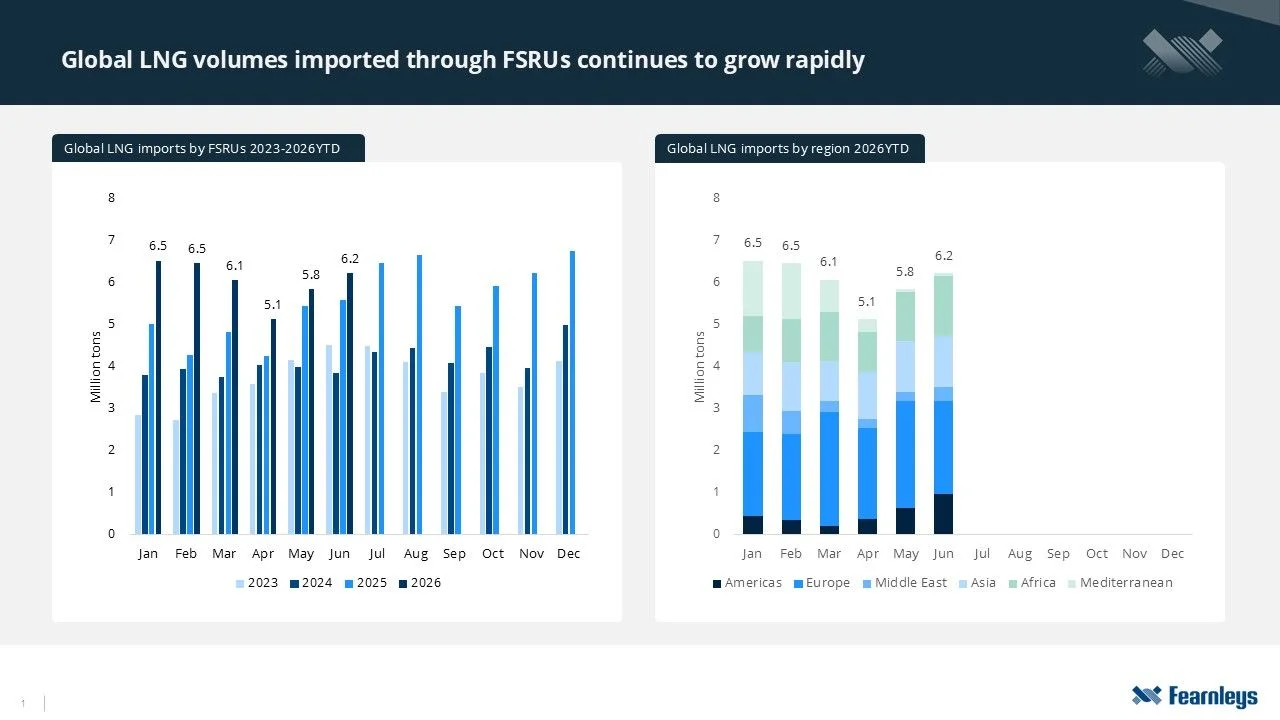
Meanwhile, investment in regasification outside China and limited other markets remains minimal. China, interestingly, may be building toward one of the largest regas overcapacities globally, positioning it as a potential LNG re-exporter due to lower industrial demand and increased access to Russian gas.
Capital continues to flow into LNG upstream development and shipping. The world is long ships through at least 2028 and additional non-Middle East supply may get another wind. Yet LNG downstream investment, particularly import terminals and regasification, appears to be a relative blind spot.
𝗧𝗵𝗲 𝗴𝗲𝗼𝗽𝗼𝗹𝗶𝘁𝗶𝗰𝗮𝗹 𝘄𝗶𝗹𝗱𝗰𝗮𝗿𝗱:
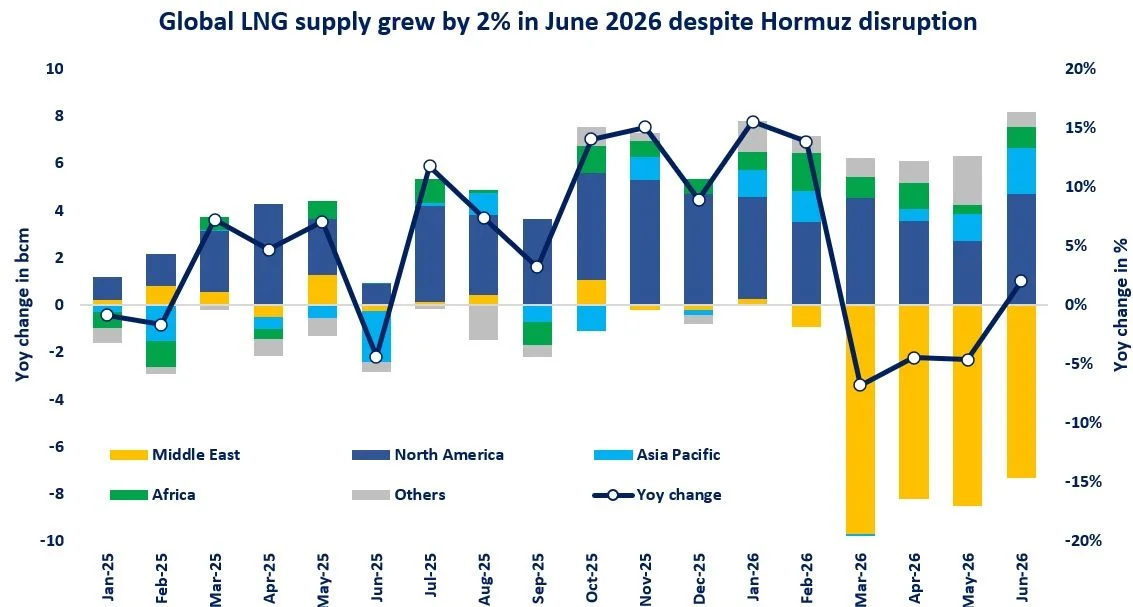
Ongoing conflict in the Middle East introduces significant uncertainty to the trajectory of global liquefaction. Shipping disruption, energy security responses, and shifting geopolitical ties have the potential to alter both the pace and geography of new LNG supply, and by extension, the future demand for regasification capacity.
When energy supply chains are increasingly fragile, the asymmetry between upstream investment and downstream infrastructure deserves serious scrutiny.
The apparent underinvestment in LNG downstream (import terminals, regasification, and infrastructure) represents one of the more attractive entry points for capital in the energy sector today.
Source: Fearnley LNG