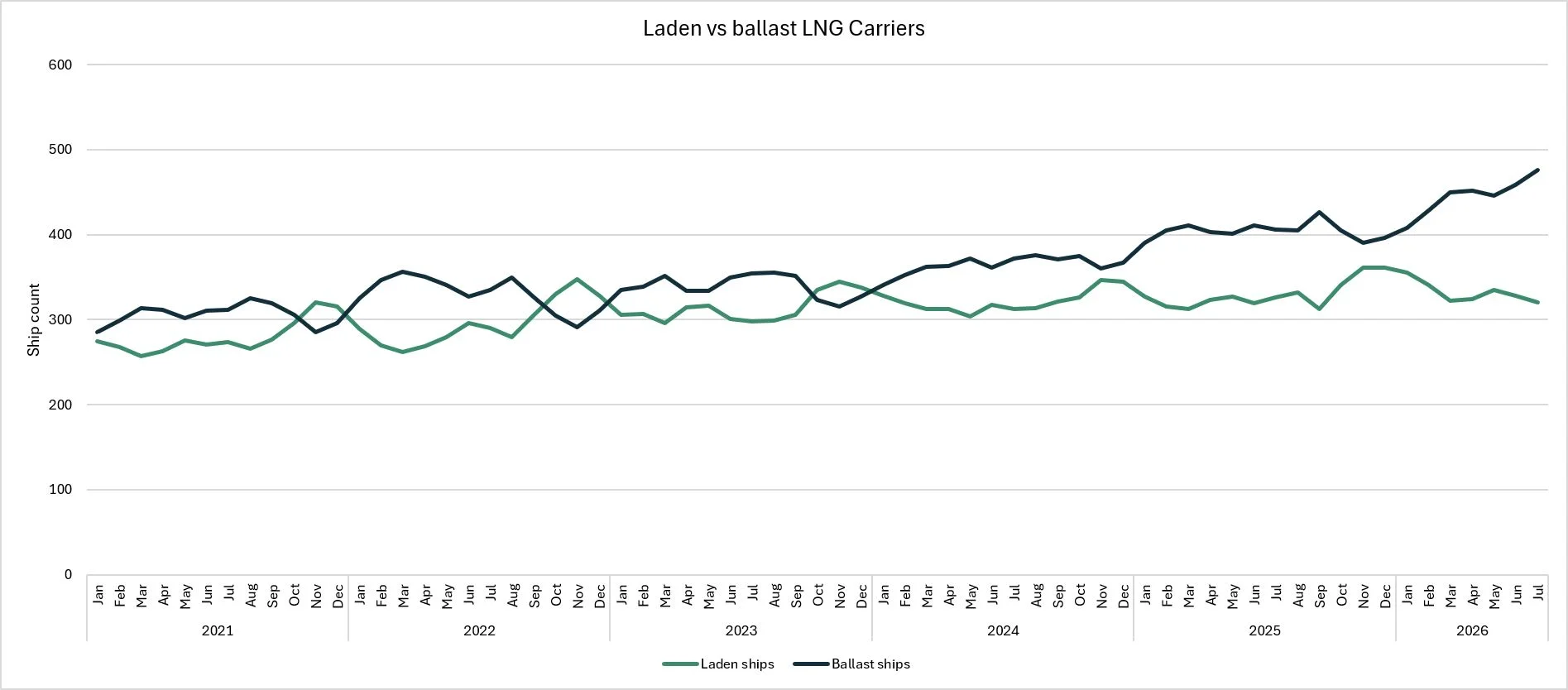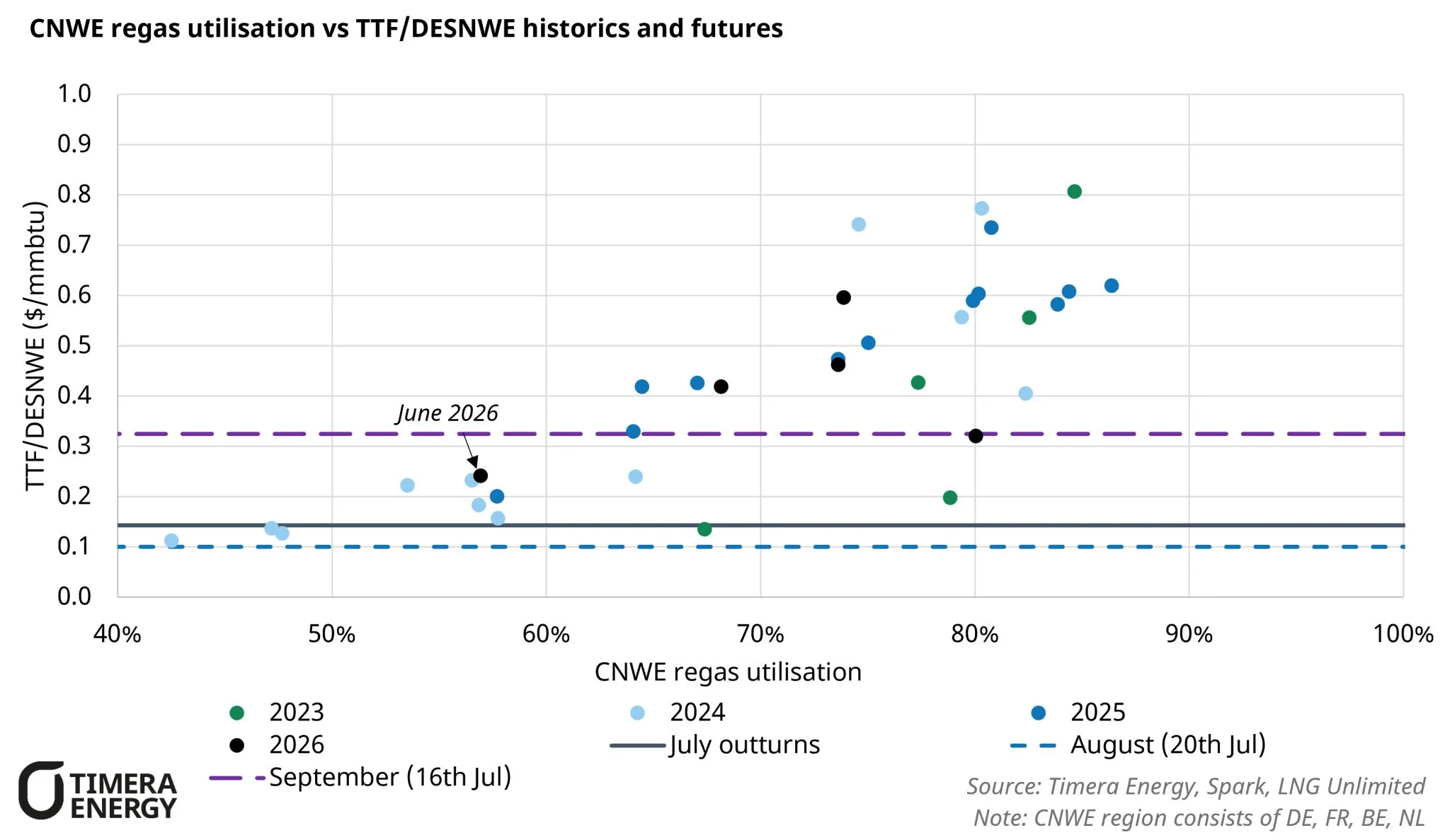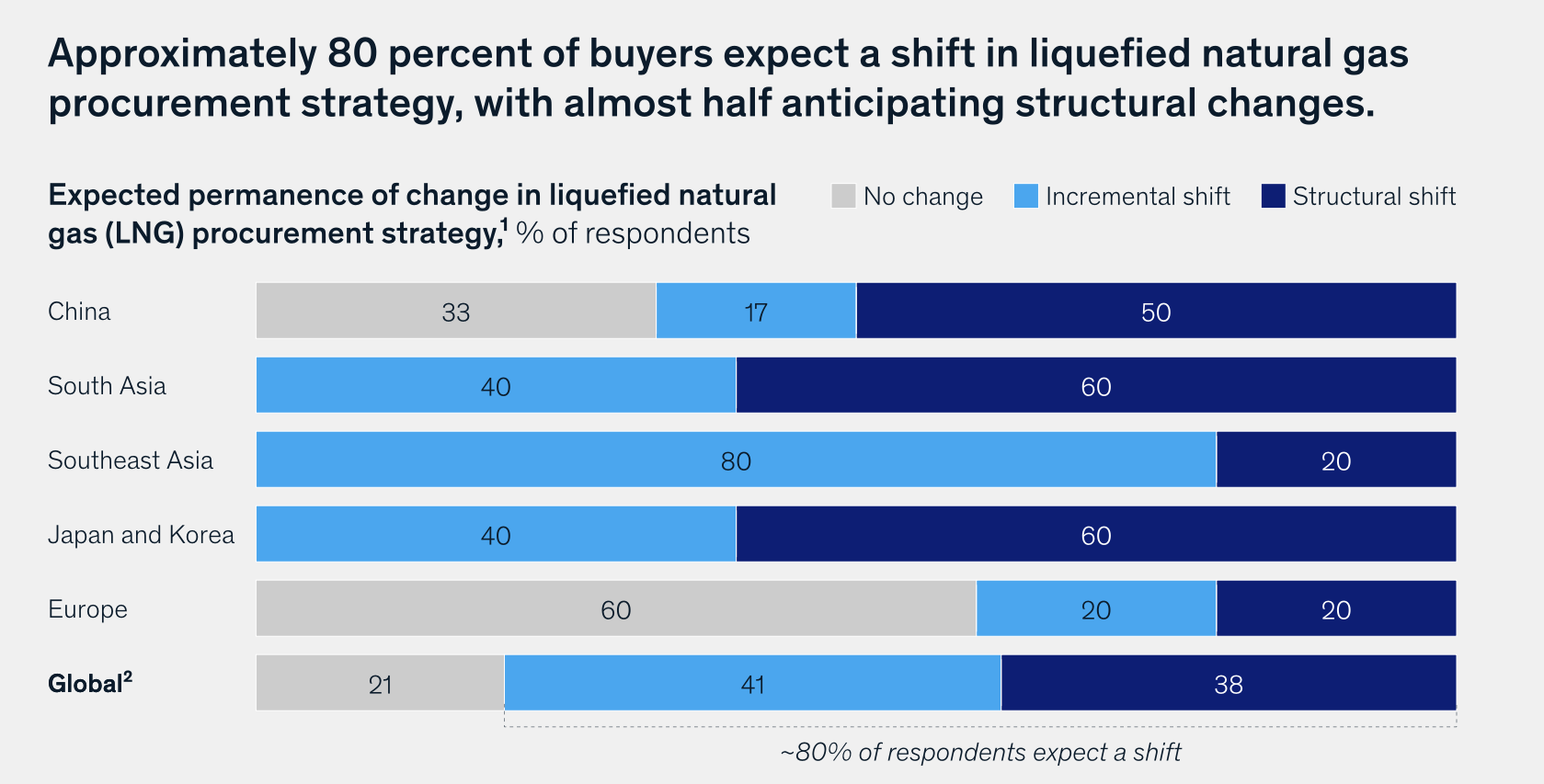

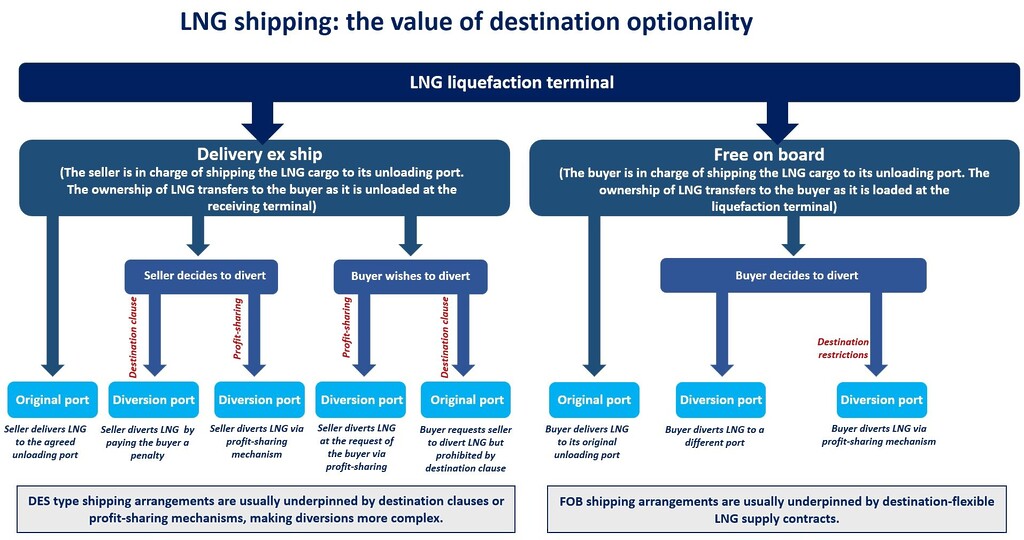
One of the most important changes in global LNG trade through the last two decades was the rising share of LNG destination flexibility, essentially allowing for the diversion of cargoes and as such for more optimal distribution of LNG flows.
Ship or not to ship: one of the most important changes in global LNG trade through the last two decades was the rising share of destination-flexible contracts, essentially allowing for the diversion of cargoes and as such for more optimal distribution of LNG flows.
Historically, LNG trade was structured through rigid destination-fixed contracts, with shipping performed by the seller on a delivery ex ship basis. These contracts limited diversions through destination clauses, although profit sharing mechanisms could allow for redirection of LNG cargos, if both the seller and the buyer agreed.

In contrast, free on board shipping arrangements, performed by the buyer, typically allow for greater destination optionality, practically allowing the LNG cargo to follow price signals.
The share of destination-flexible LNG contracts increased from just around 15% back in 2005 to around half of the total volumes contracted. This was largely enabled by the unique proposition of US LNG contracts: Henry Hub indexed and destination-flexible.
The growing share of destination-free contracts also enabled the development of LNG portfolio players and facilitated the scale-up of spot LNG trading through the last two decades.
And most importantly, destination-flexible LNG contracts play a key role during supply and demand shocks, allowing for a more effective and more optimal distribution of LNG cargos, driven by price signals. This is a major contribution to global gas and energy supply security.
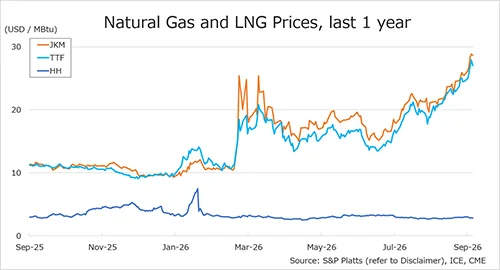
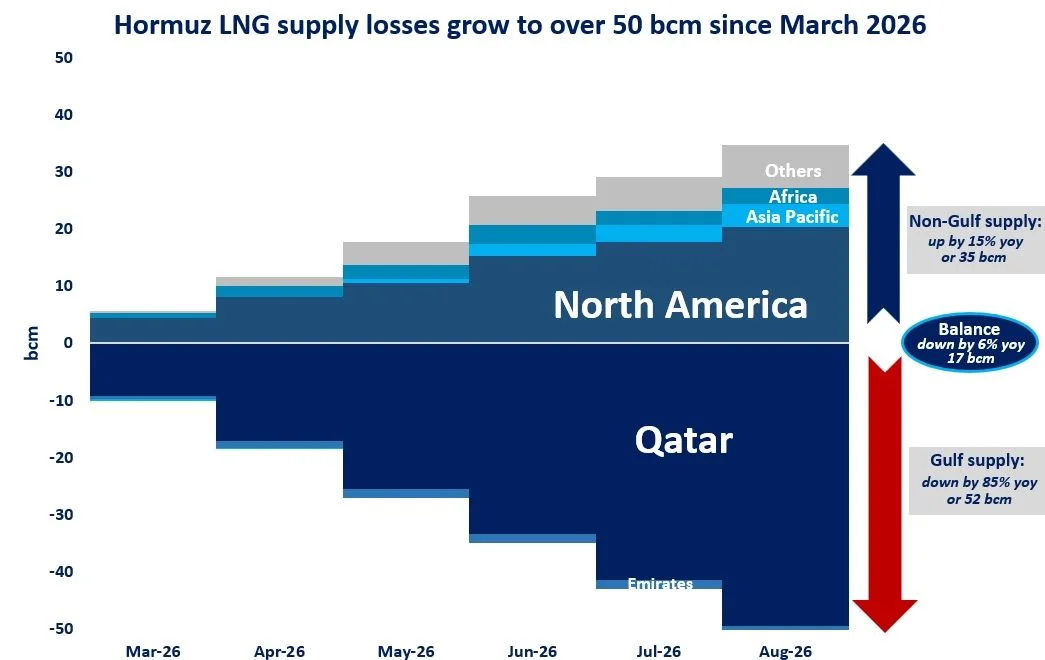
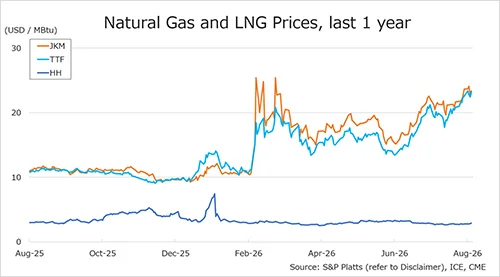
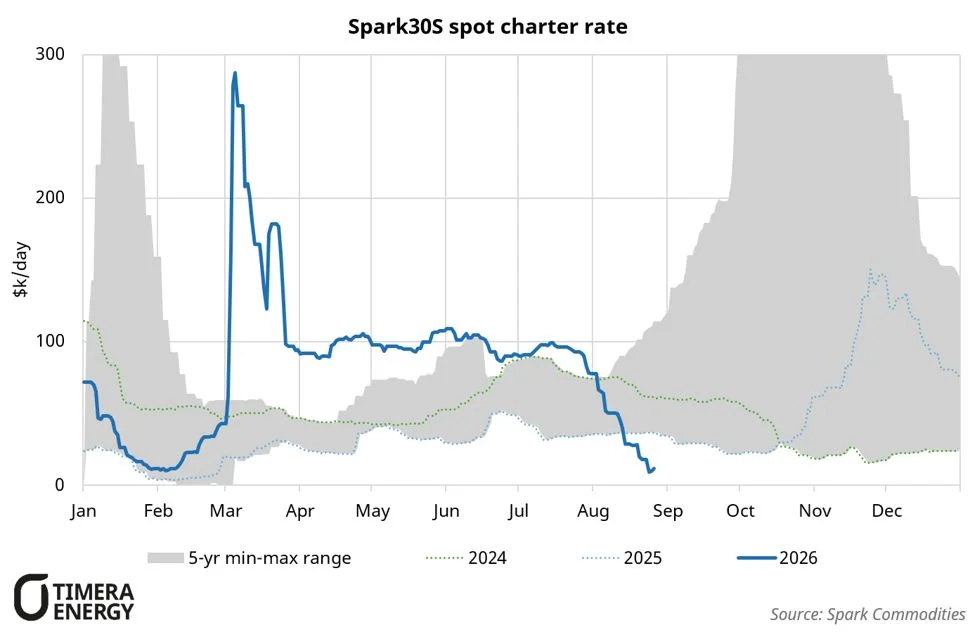
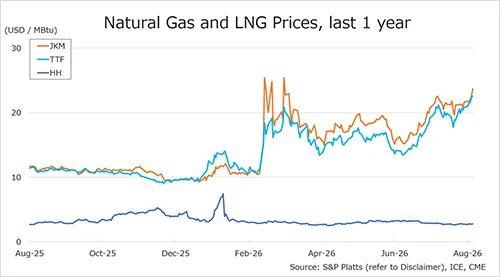
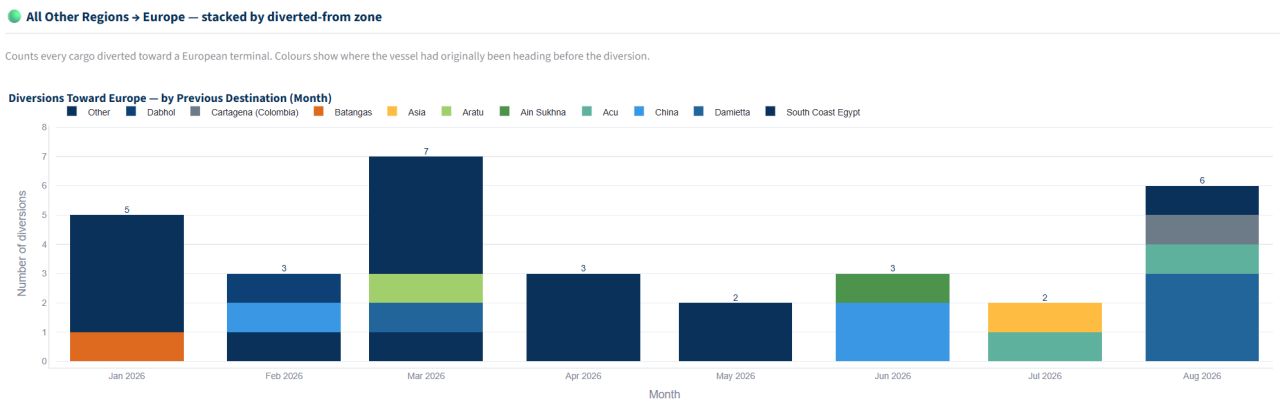
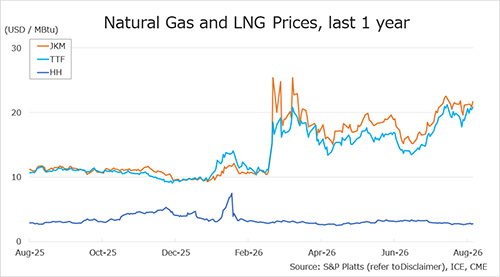
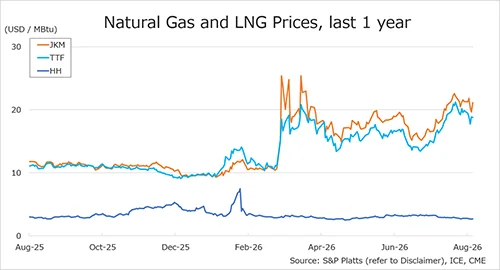
The current crisis is a clear example of these dynamics: JKM prices rose sharply after the closure of the Strait of Hormuz, displaying a hefty premium to TTF and other European hubs. This price signal led to the diversion of flexible LNG cargoes from Europe to the Asian markets -which are at the moment the most impacted by the shortfall of Hormuz LNG.
Source: Greg Molnar