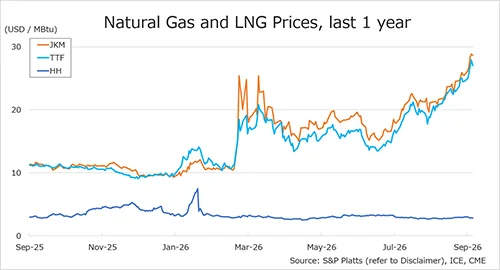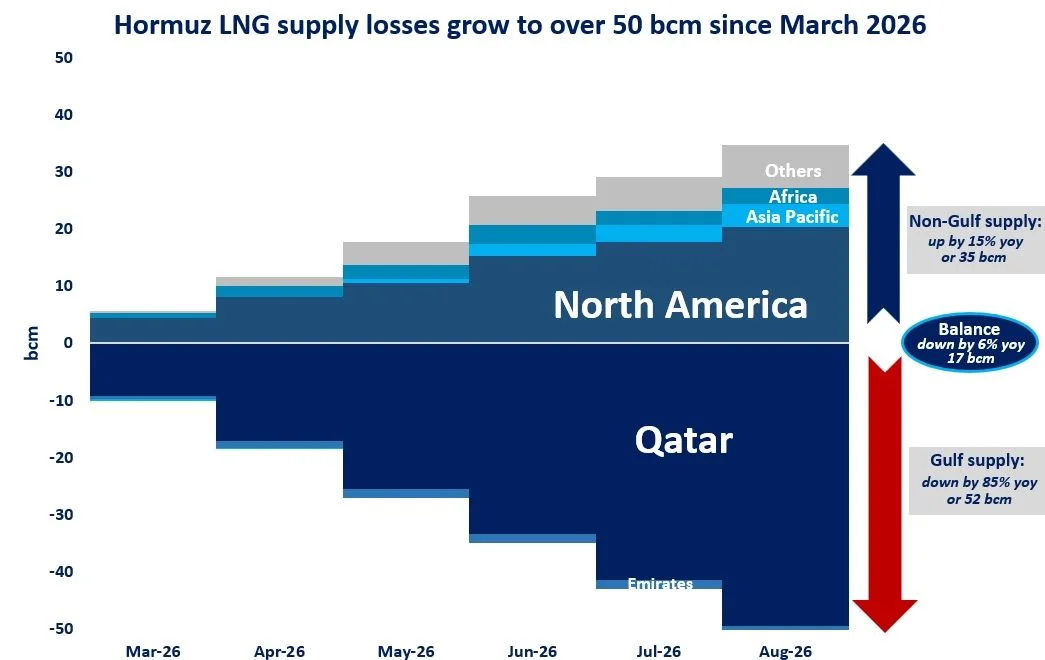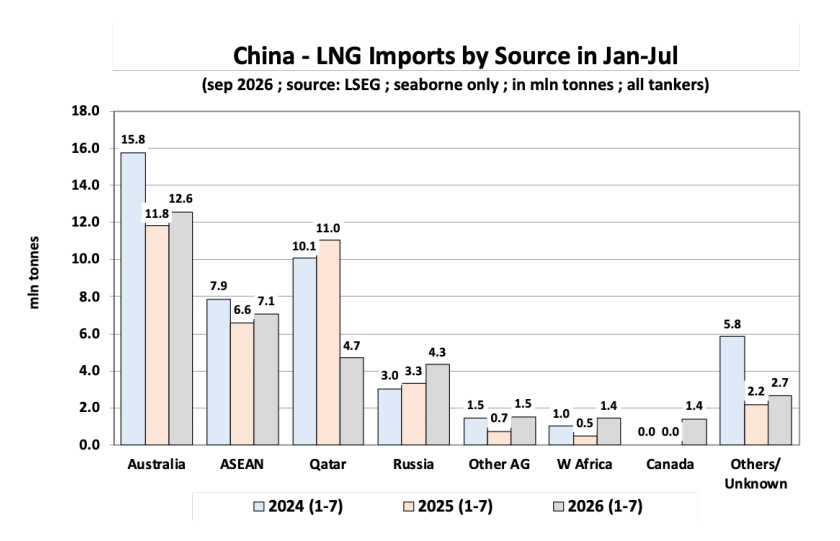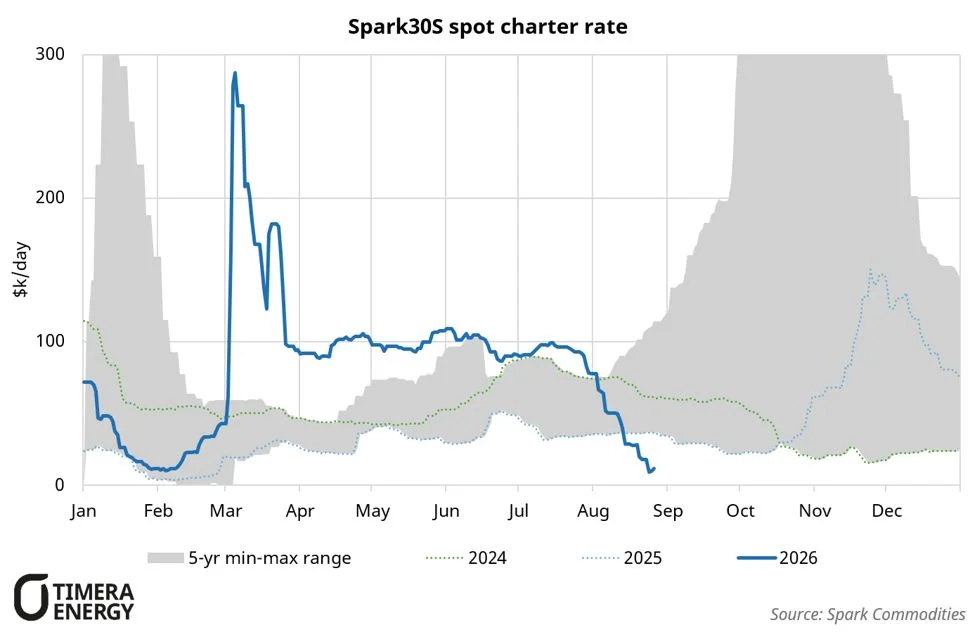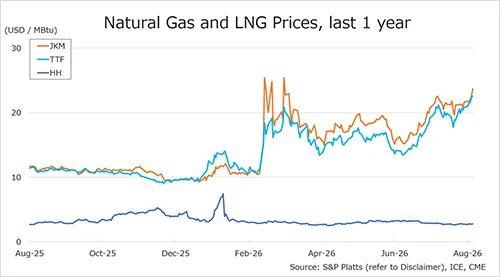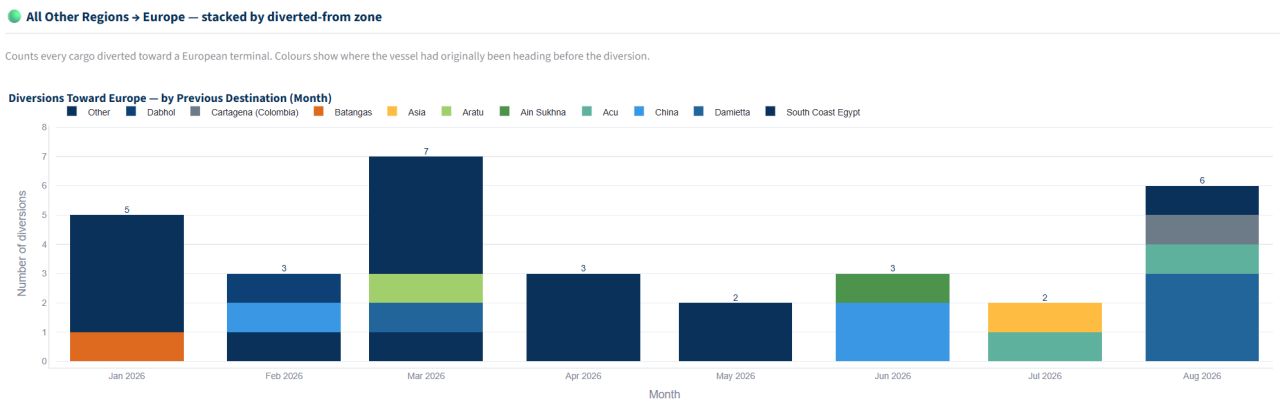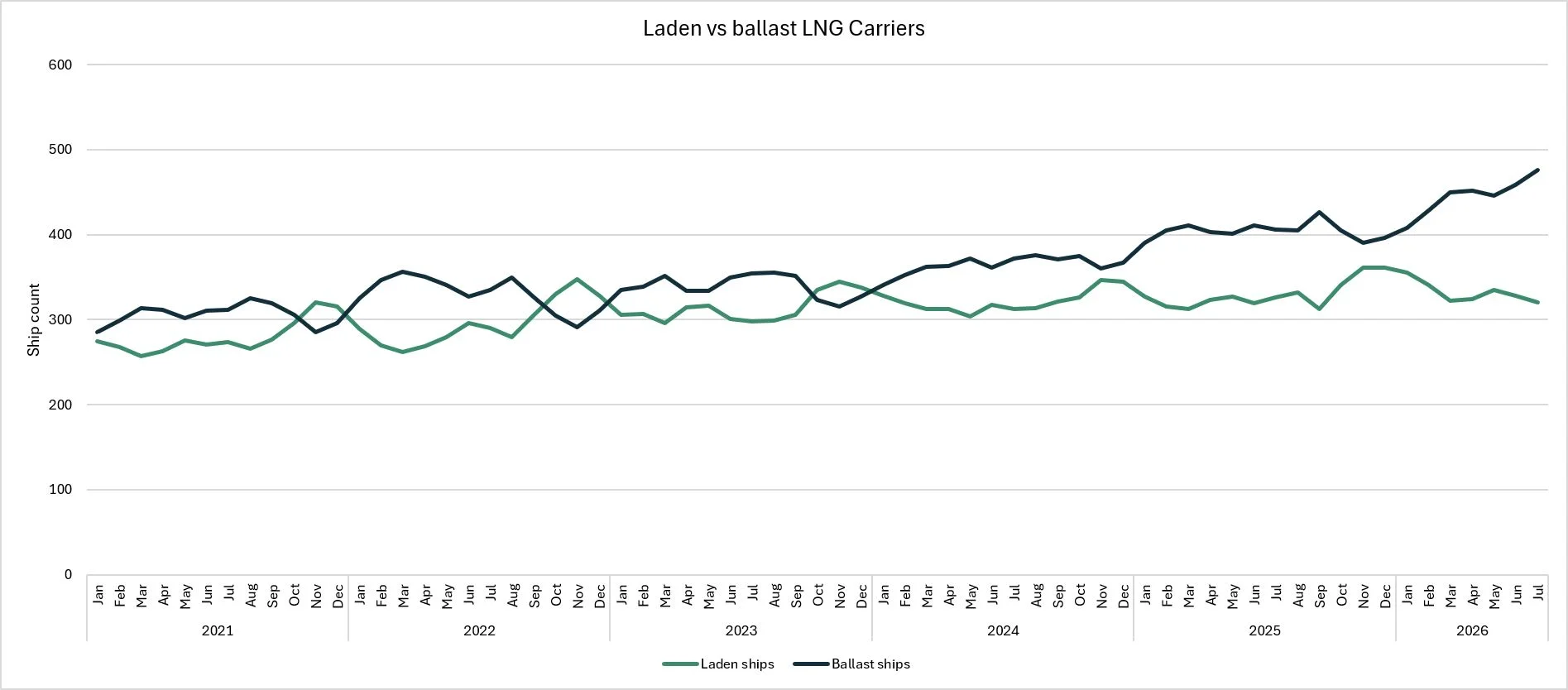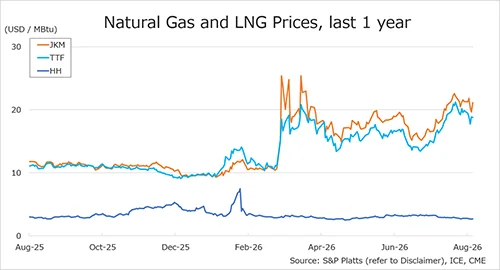

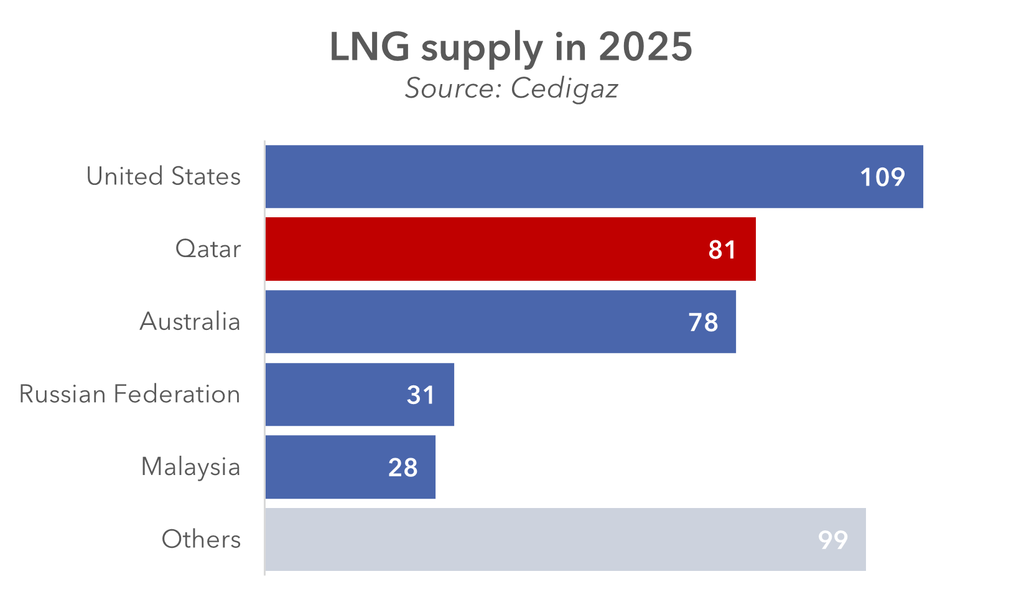
The LNG supply gap is emerging as Gulf disruption removes significant volumes from the market, with outages at Qatar’s liquefaction facilities taking around 12.8 mtpa offline, equivalent to roughly 17% of its capacity.
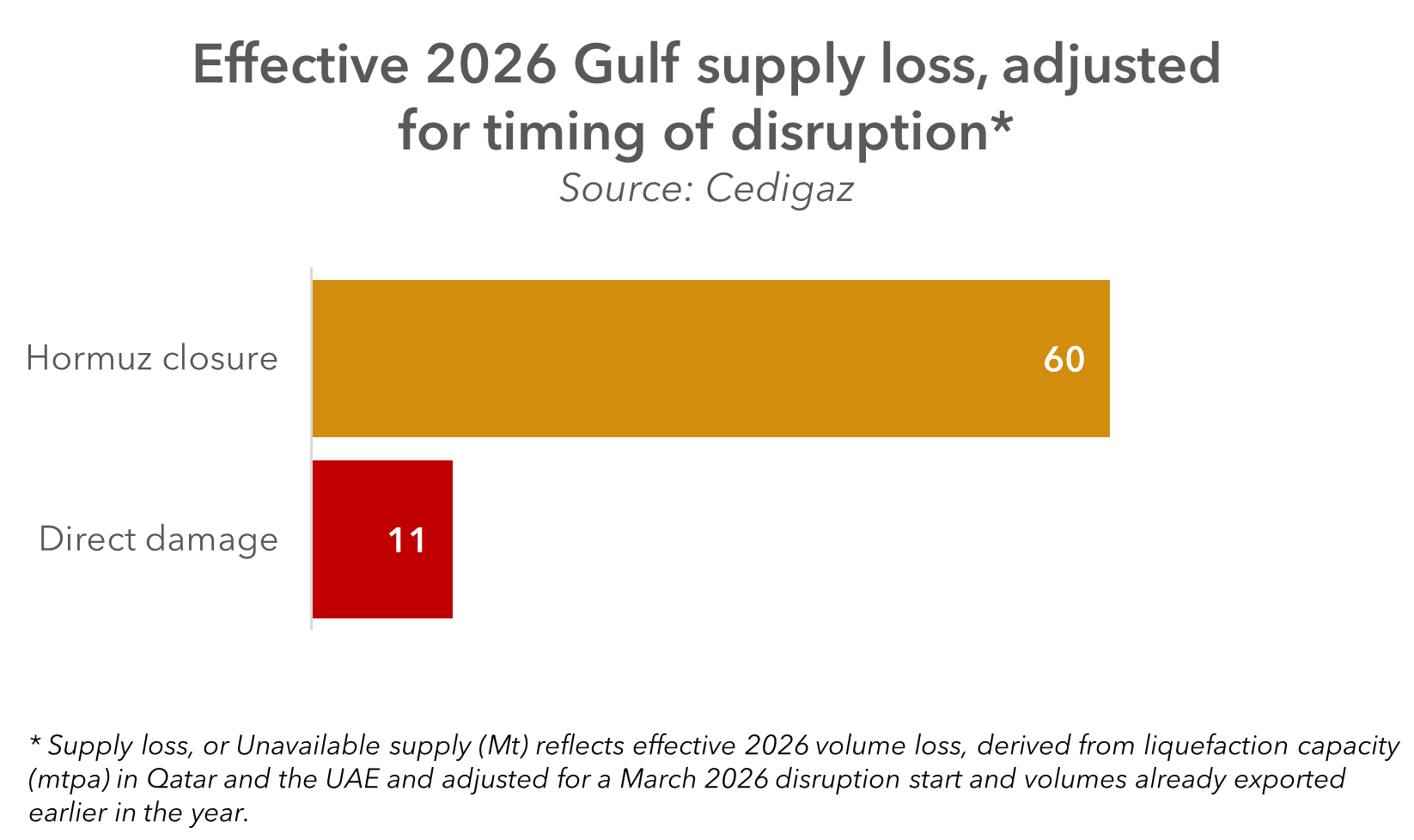
At the same time, constraints at the Strait of Hormuz — which normally carries around 20% of global LNG trade — are further limiting export flows.
~70 Mt of supply lost vs ~35 Mt of new capacity — the gap is already built into 2026.
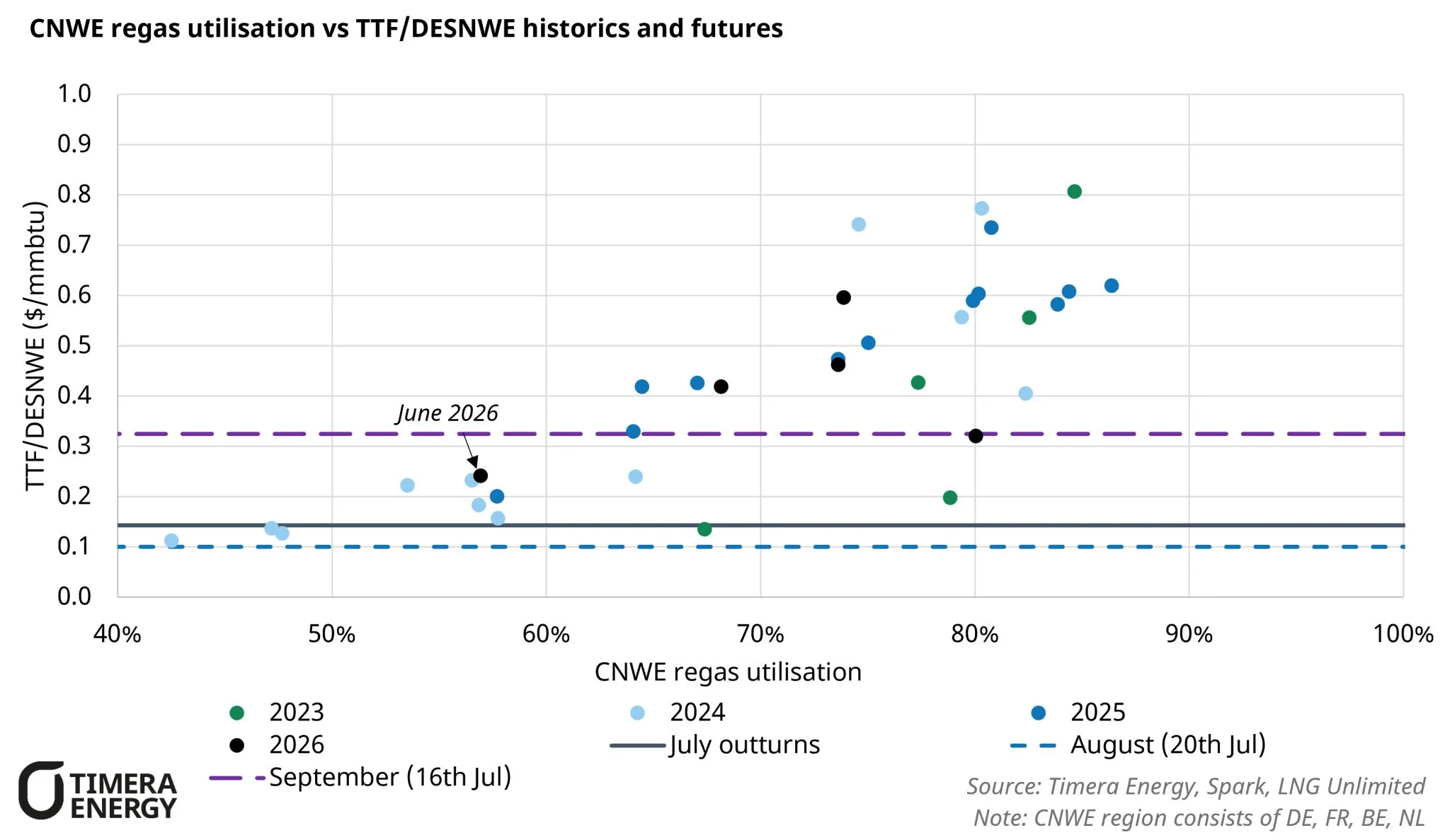
The analysis shows that the global LNG system entered 2026 with very limited spare capacity, with effective utilisation already at around 95–97%, leaving little flexibility to respond to disruptions.
As a result, the effective supply loss is estimated at around 70 Mt in 2026.
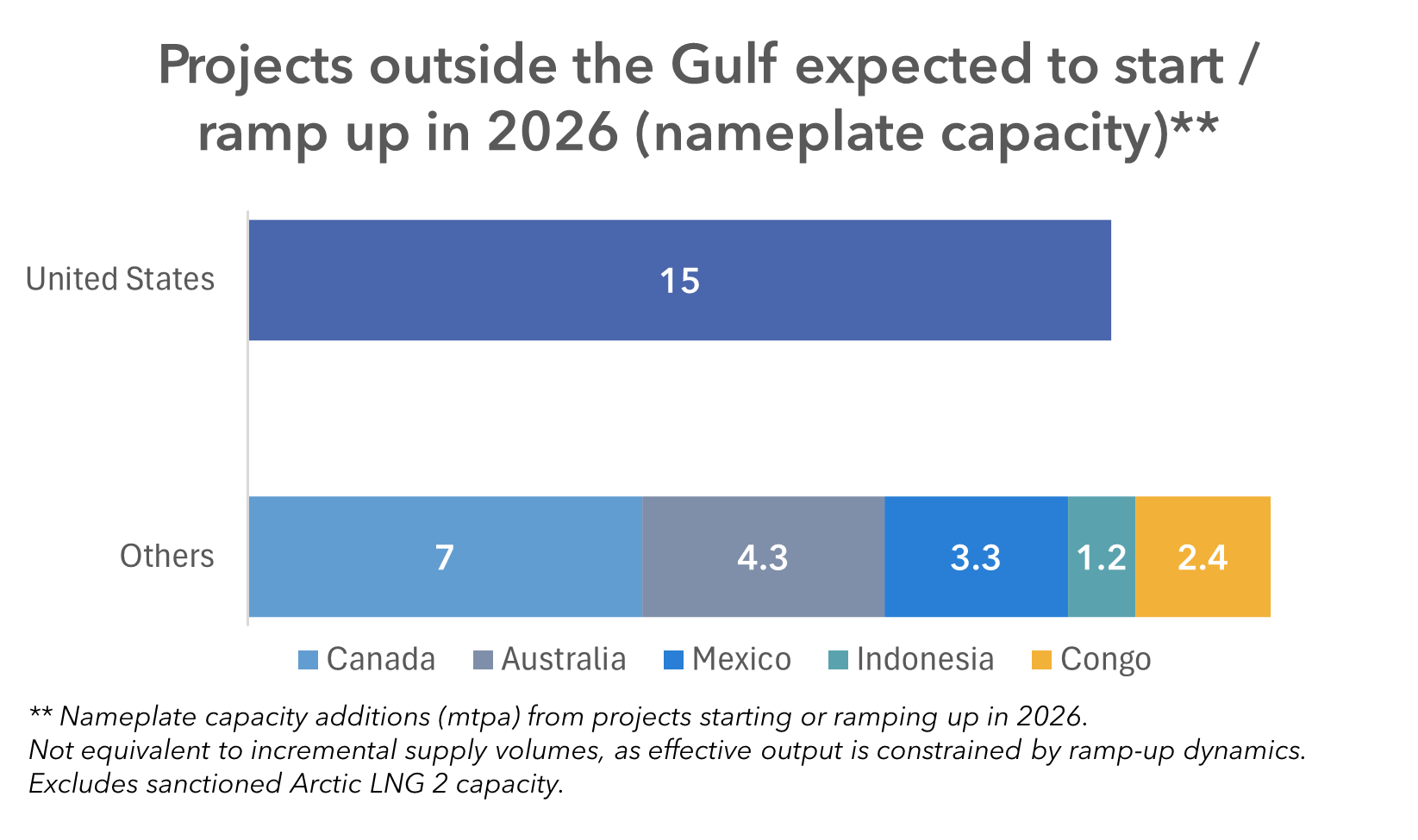
Although approximately 35 Mt of new capacity is expected to come online, largely from North America, these additions are insufficient to offset the shortfall, reinforcing a structurally tighter global LNG supply outlook.
Source: Cedigaz