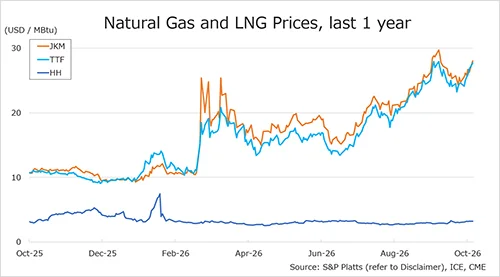
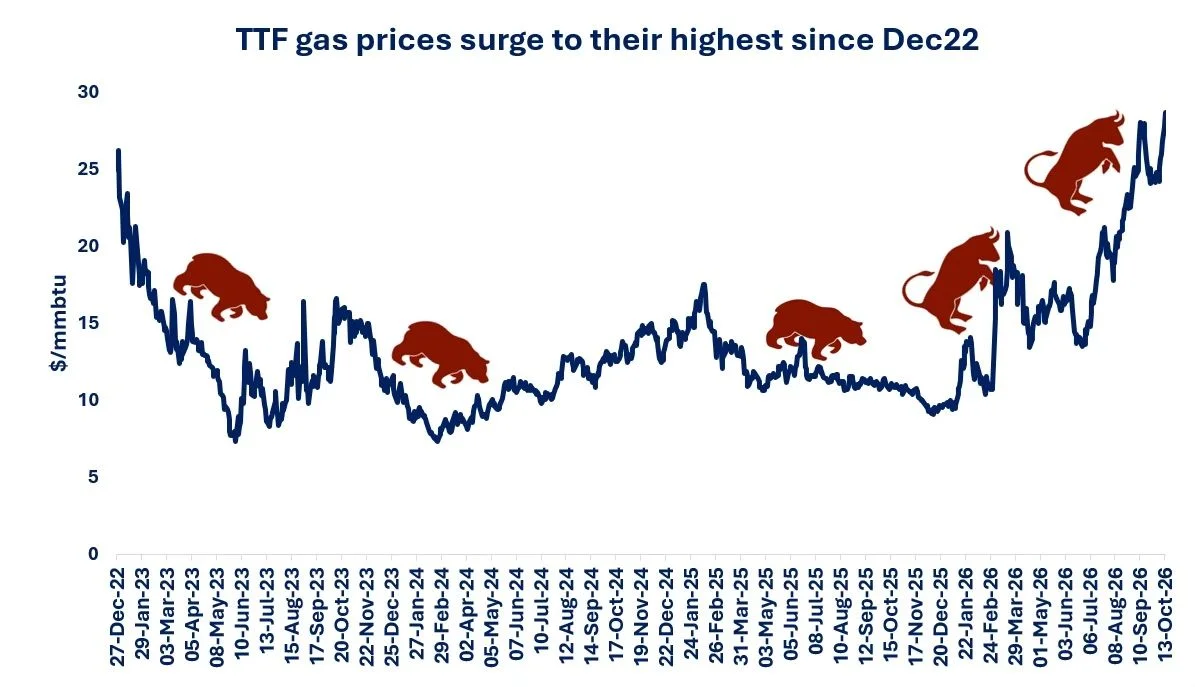
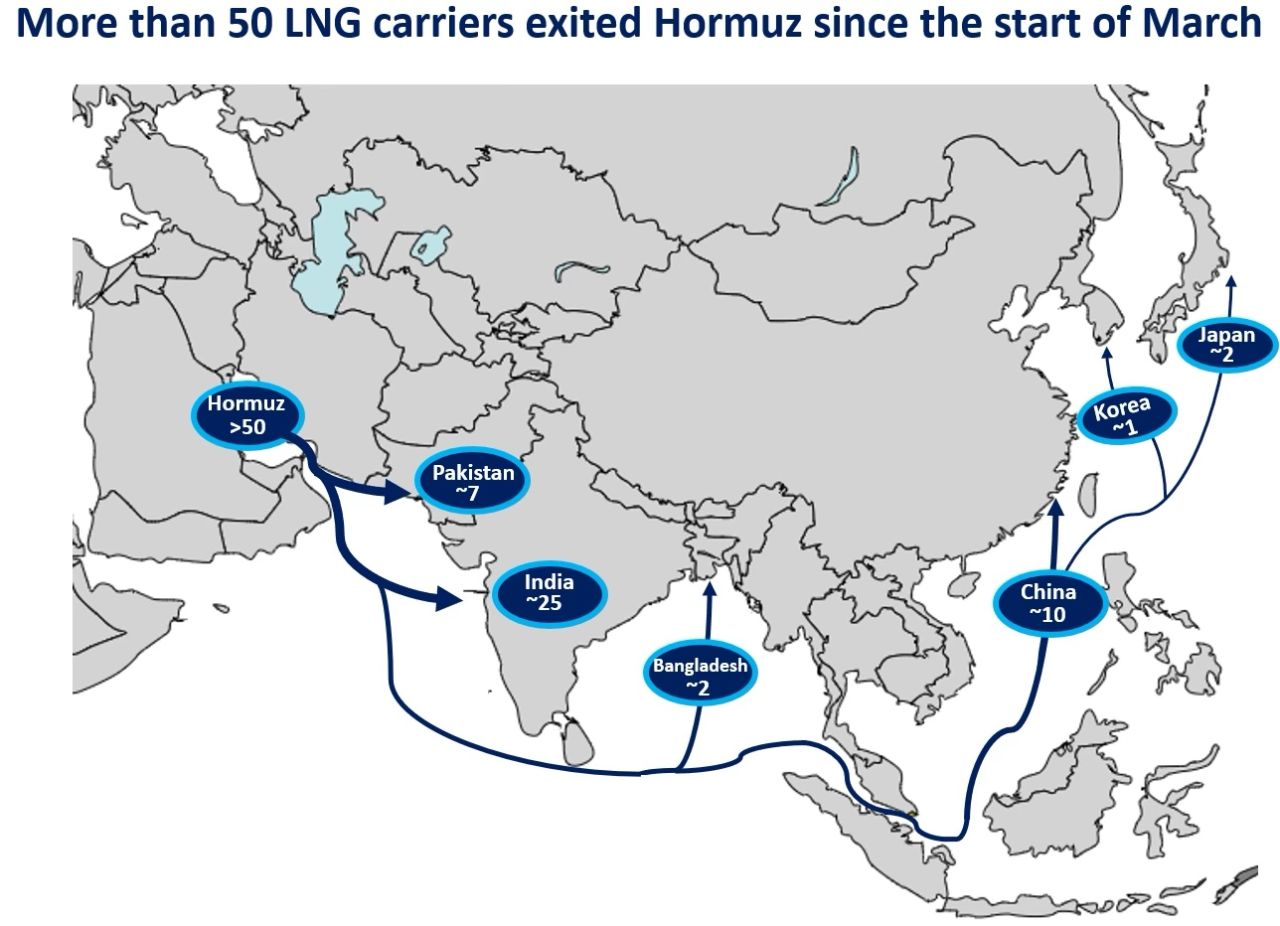
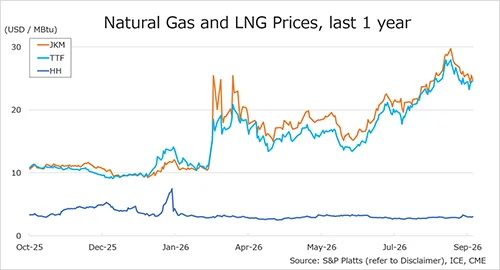
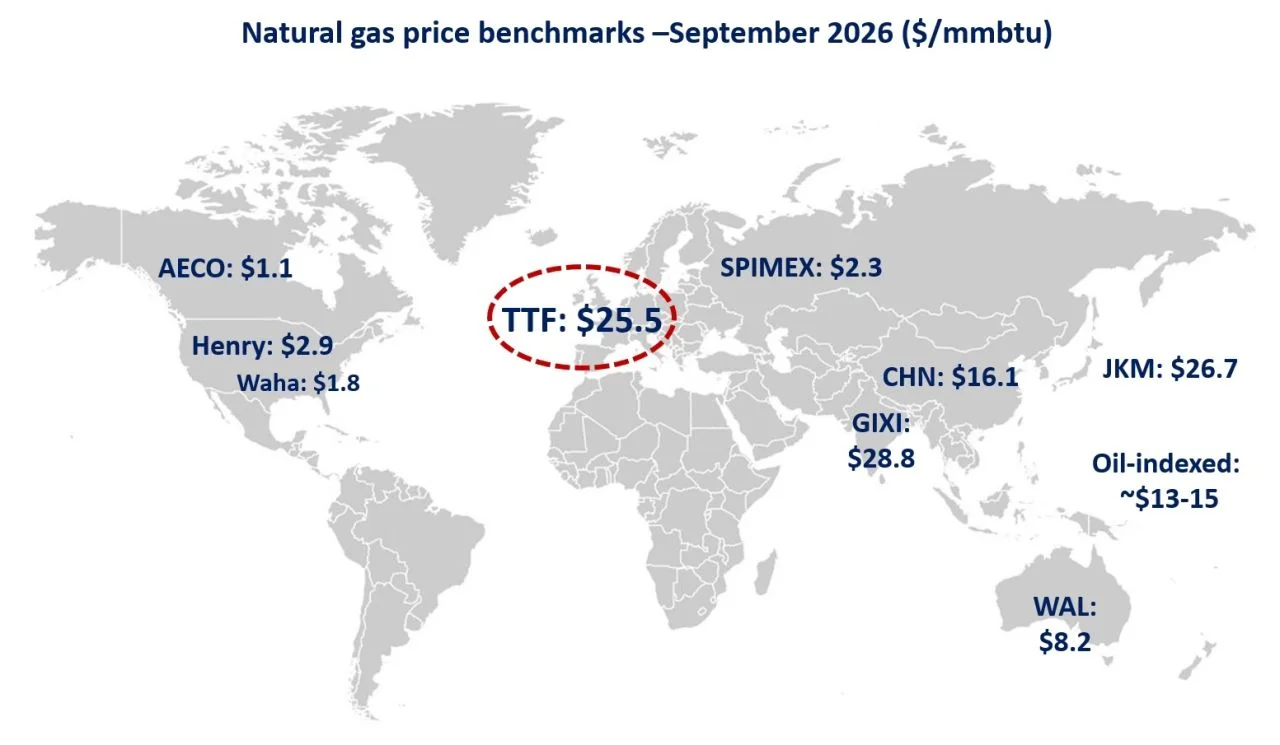
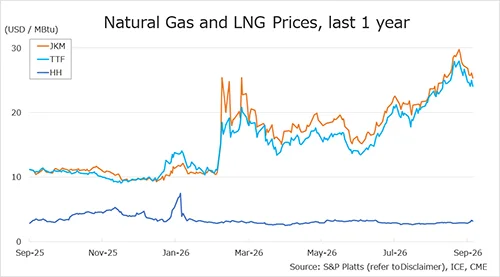
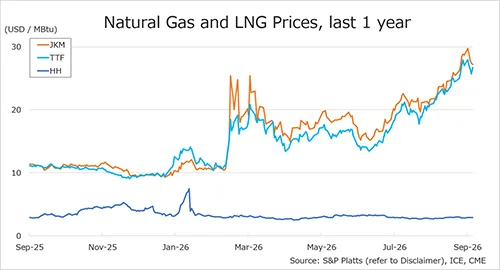
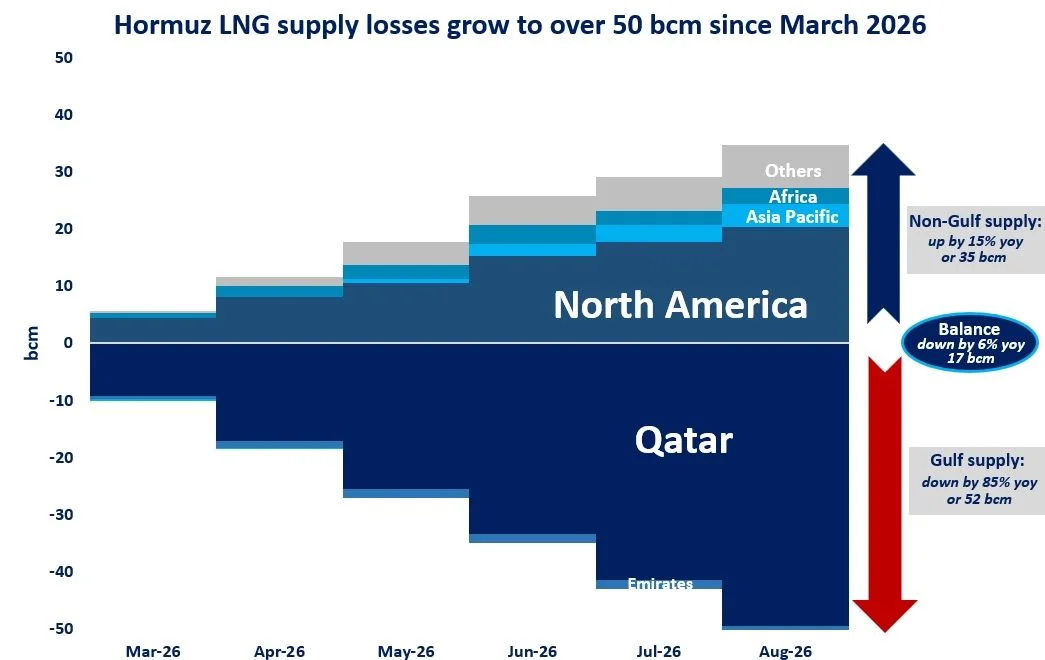
Nearly 100 days into one of the most significant LNG supply disruptions on record, the FSRU market continues to demonstrate remarkable resilience. While global LNG trade has softened, current conditions are being driven by supply constraints rather than weak demand, according to the latest quarterly market update from Fernleys, with tightening vessel availability and disciplined fleet expansion supporting a positive outlook for the second half of 2026.
Charter rates remain resilient
Chartering activity increased during the second quarter, with several new long-term contracts signed on attractive commercial terms. At the same time, FSRU providers have remained cautious about speculative new orders, helping to limit the risk of oversupply entering the market.
Global project pipeline remains active
Project activity continues across multiple regions, including Asia, Latin America and Europe. Countries such as Colombia, Brazil, Poland, Malaysia, Indonesia and South Africa all saw notable developments during the quarter, including newbuild and conversion decisions.
Growing role in LNG imports
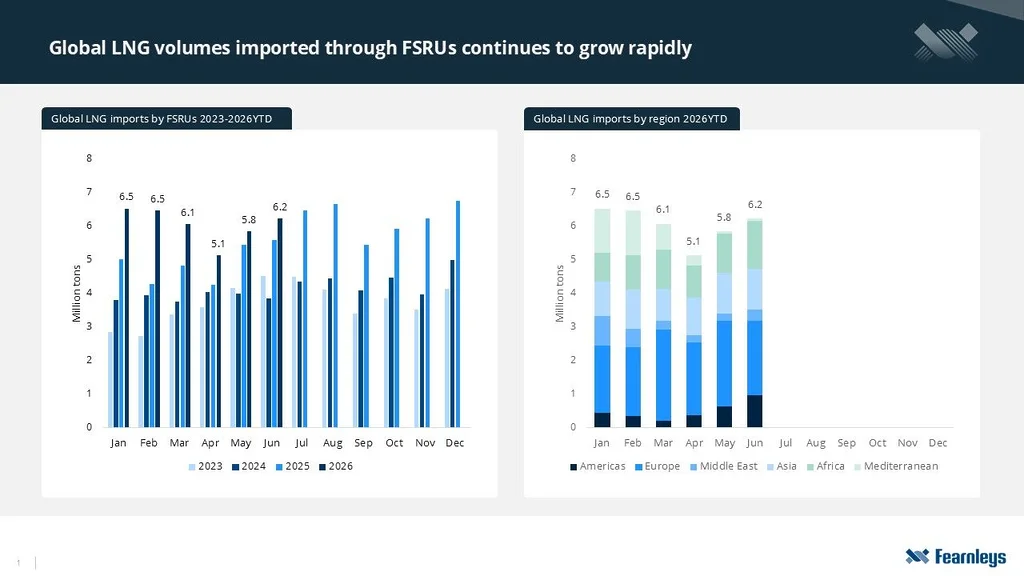
FSRUs accounted for their highest-ever share of global LNG imports during the quarter, despite an overall decline in global LNG trade. The report suggests this trend reflects the increasing importance of floating import infrastructure in providing flexible and rapid access to LNG.
Filtering realistic opportunities
Around 280 FSRU-related projects were reviewed worldwide during the quarter. After removing projects considered unlikely to advance, only a relatively small number remain with a realistic prospect of reaching Final Investment Decision (FID). These projects are concentrated in a limited number of regions and continue to depend heavily on regulatory approvals and supporting infrastructure.
Conversions continue to dominate
Conversion projects continue to offer significant advantages over newbuild vessels in terms of both cost and delivery time. However, the report notes that emerging supply chain constraints could become an increasingly important factor for future projects.
Asset values continue to evolve
Buyer preferences are becoming increasingly focused on particular vessel sizes, while pricing relationships between converted vessels and newbuild FSRUs continue to evolve. These dynamics are expected to influence investment decisions over the coming quarters.
Outlook
Near-term FSRU availability is tightening rapidly, while vessel owners continue to exercise discipline on fleet expansion. According to the report, these factors create favourable conditions for the second half of 2026, with attention now turning to where and when the next wave of FID decisions will emerge.
Source: Fernleys, FSRU Market Update – Q2 2026 (LinkedIn)