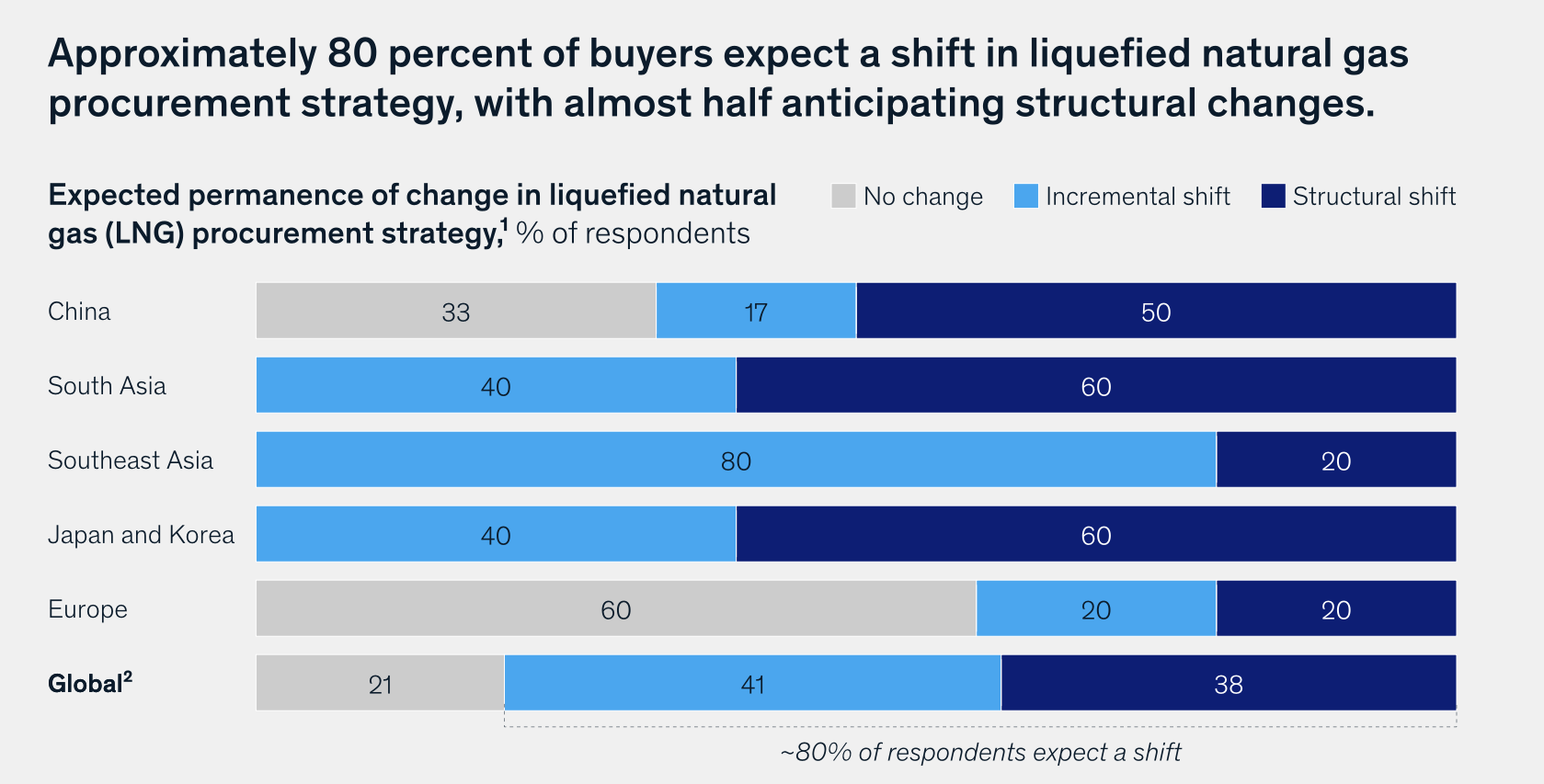
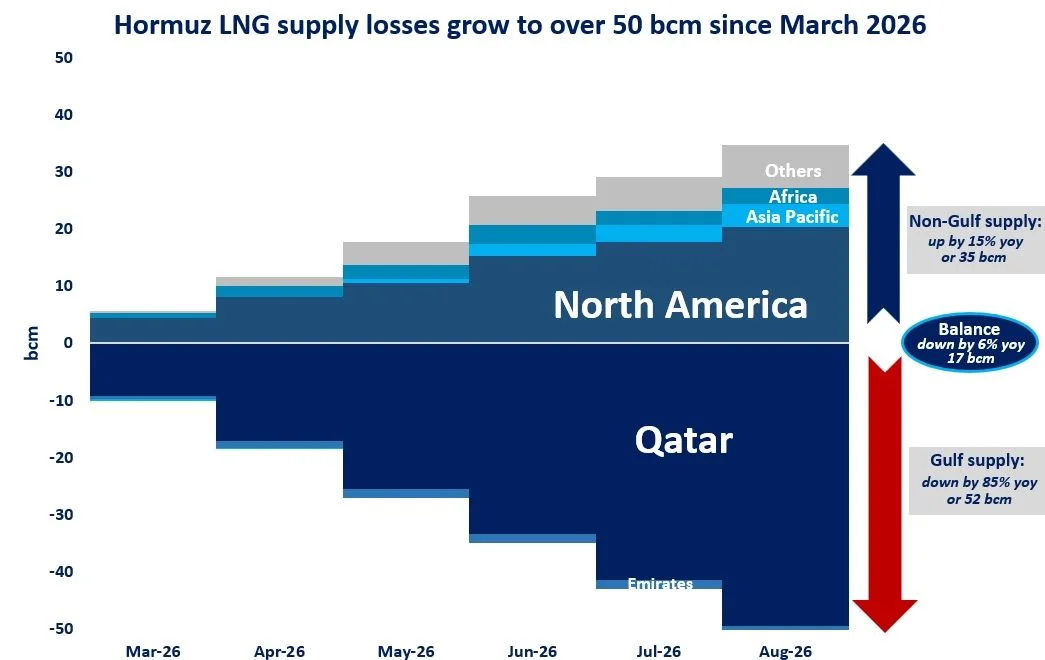
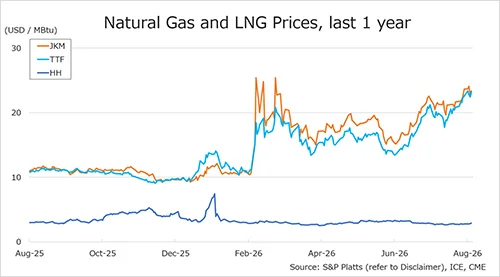
New analysis by Cedigaz highlights how major LNG importers are responding to disruptions in Qatar LNG supply, revealing significant differences in market flexibility, procurement strategies and energy security resilience.
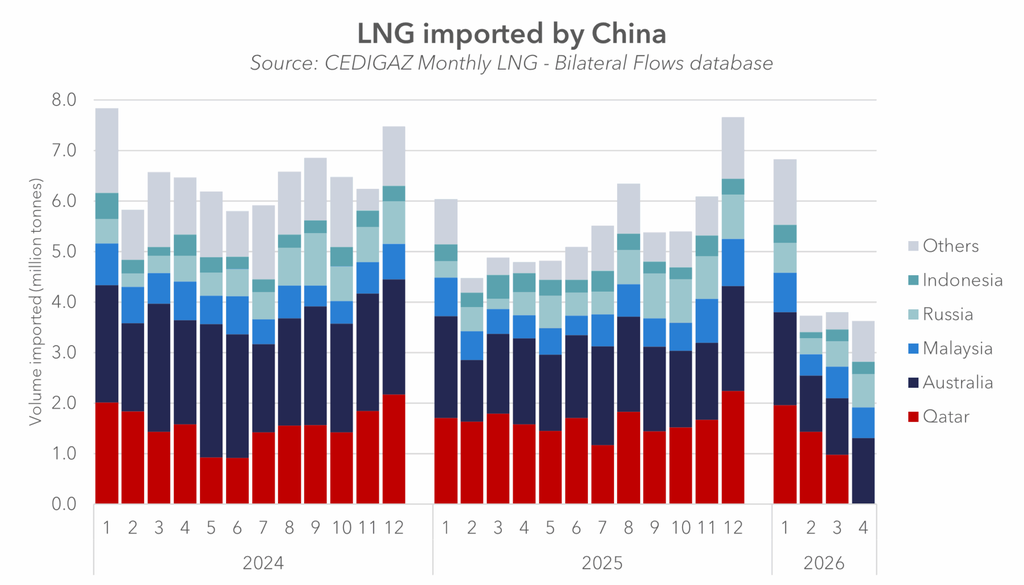
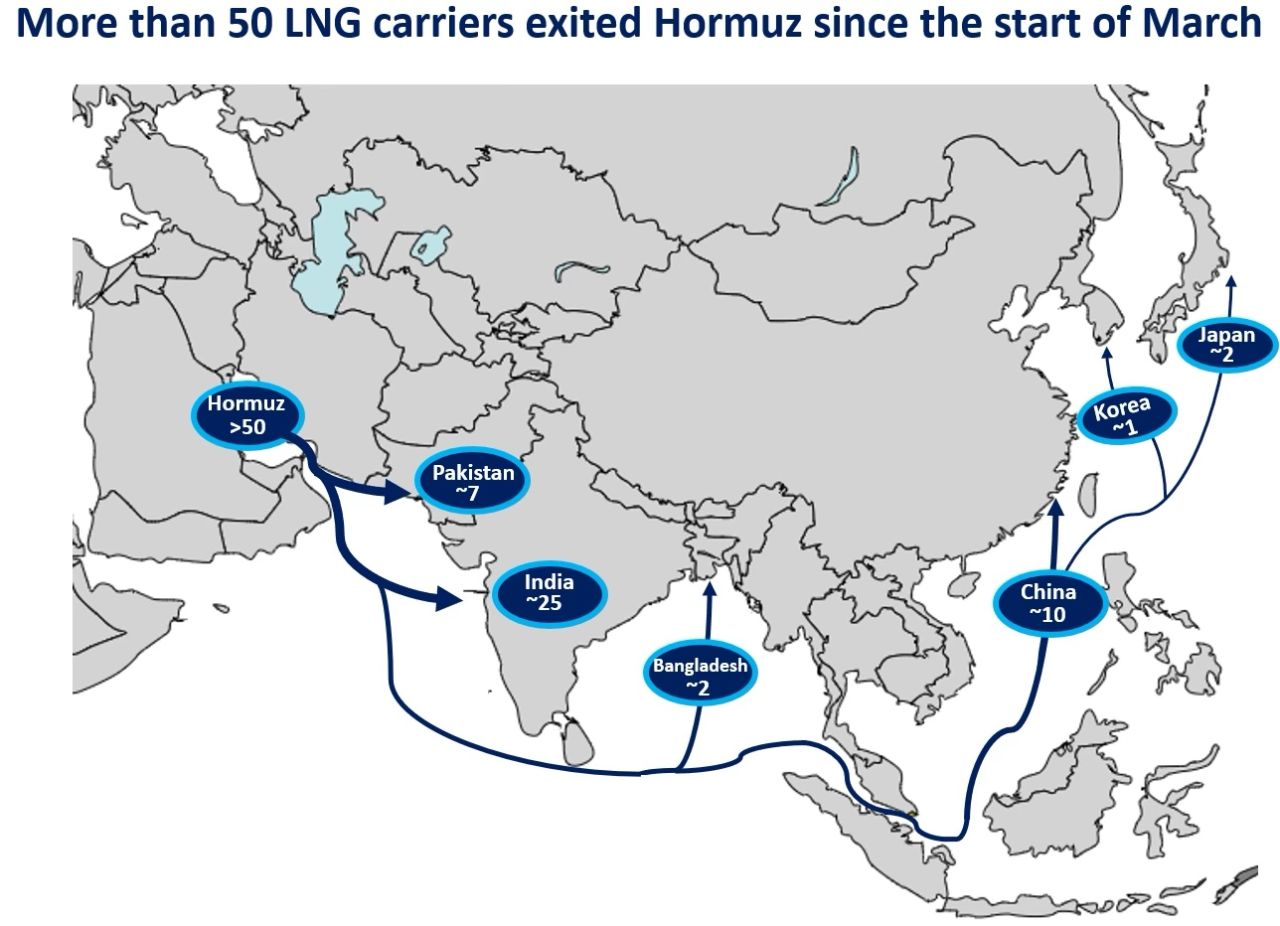
According to Cedigaz, Qatar’s LNG exports are largely tied to long-term contracts with limited destination flexibility. China is the largest contracted buyer with 27 mtpa, followed by India (13.1 mtpa), Taiwan (9.8 mtpa), Kuwait (7.0 mtpa), and Pakistan and Bangladesh (6.8 mtpa each). As a result, when supply disruptions occur, flexibility must often come from the importing country rather than the contractual framework itself.
China has relied on a diversified and state-coordinated approach. High inventory levels, domestic gas production, pipeline imports and access to alternative LNG supplies help reduce dependence on spot purchases. Long-term investments in upstream LNG projects also strengthen supply security.
India has adopted a combination of demand curtailment and supply diversification. While some industrial consumers have faced reduced gas deliveries, additional volumes have been sourced from suppliers including Oman, the United States, Nigeria and Angola.
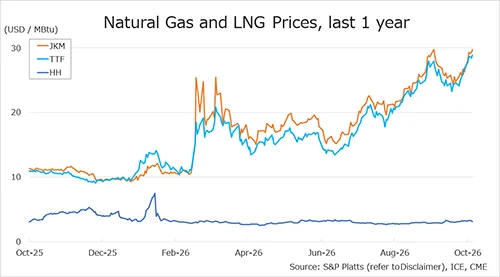
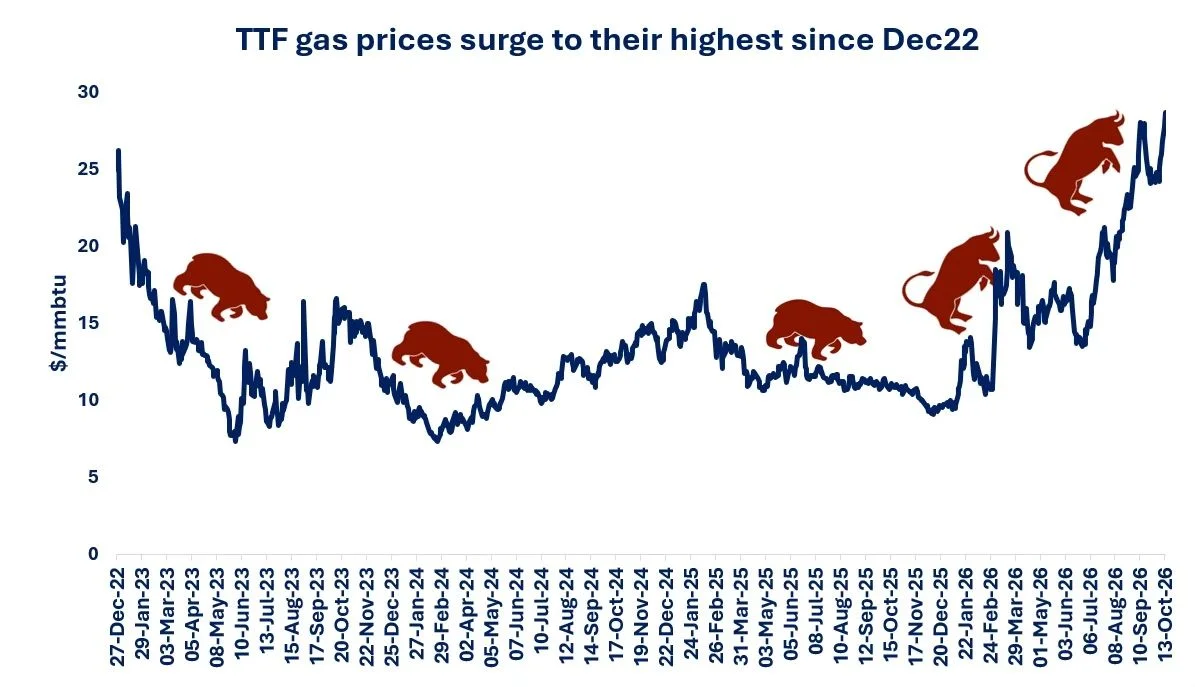
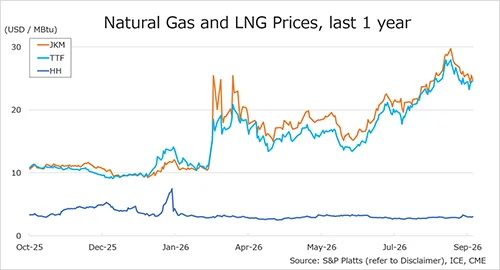
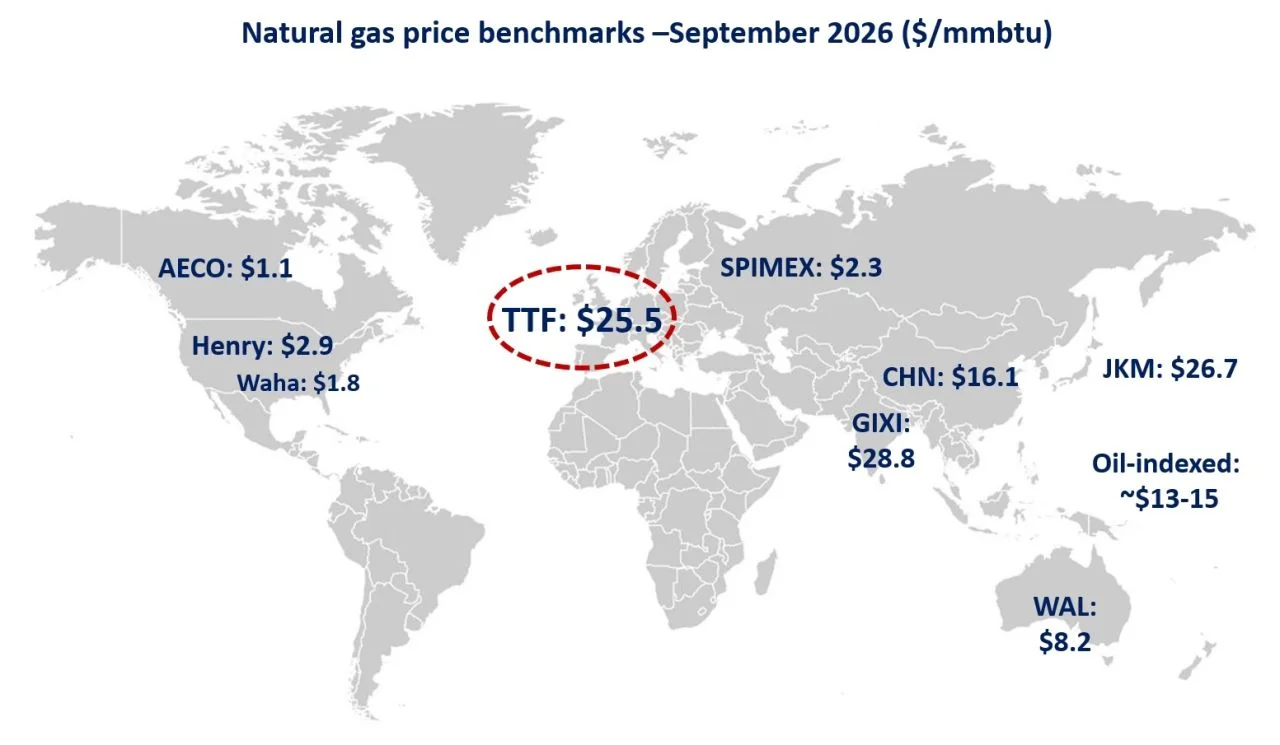
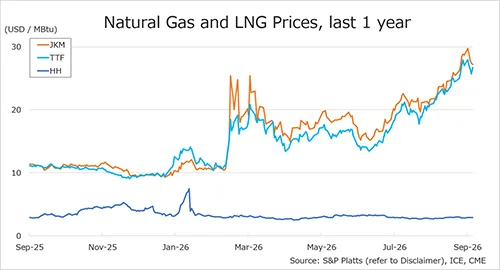
The experiences of Pakistan and Bangladesh have differed considerably. Bangladesh has been able to replace a significant share of lost Qatari volumes through spot market purchases, albeit at substantially higher prices. Pakistan, meanwhile, has relied more heavily on fuel switching and limited alternative supply arrangements.
In Northeast Asia, mature LNG markets have demonstrated greater flexibility. Taiwan, South Korea and Japan have benefited from diversified procurement portfolios, access to alternative suppliers and well-developed infrastructure.
Taiwan increased imports from suppliers including Australia and the United States, while South Korea combined fuel switching with efforts to secure replacement cargoes.
Japan, which has relatively limited dependence on Qatar LNG, relied on higher nuclear and coal generation as well as elevated inventory levels.
Cedigaz concludes that responses to Qatar LNG supply disruptions are shaped less by contract structures than by the flexibility of the importing system itself.
Countries with diversified supply portfolios, storage capacity and fuel-switching options are generally better positioned to manage supply shocks than markets with limited infrastructure and procurement alternatives.
Source: Cedigaz – The original article contains additional analysis, charts and country-level data on LNG imports, supply contracts and disruption management strategies. Read the full article here