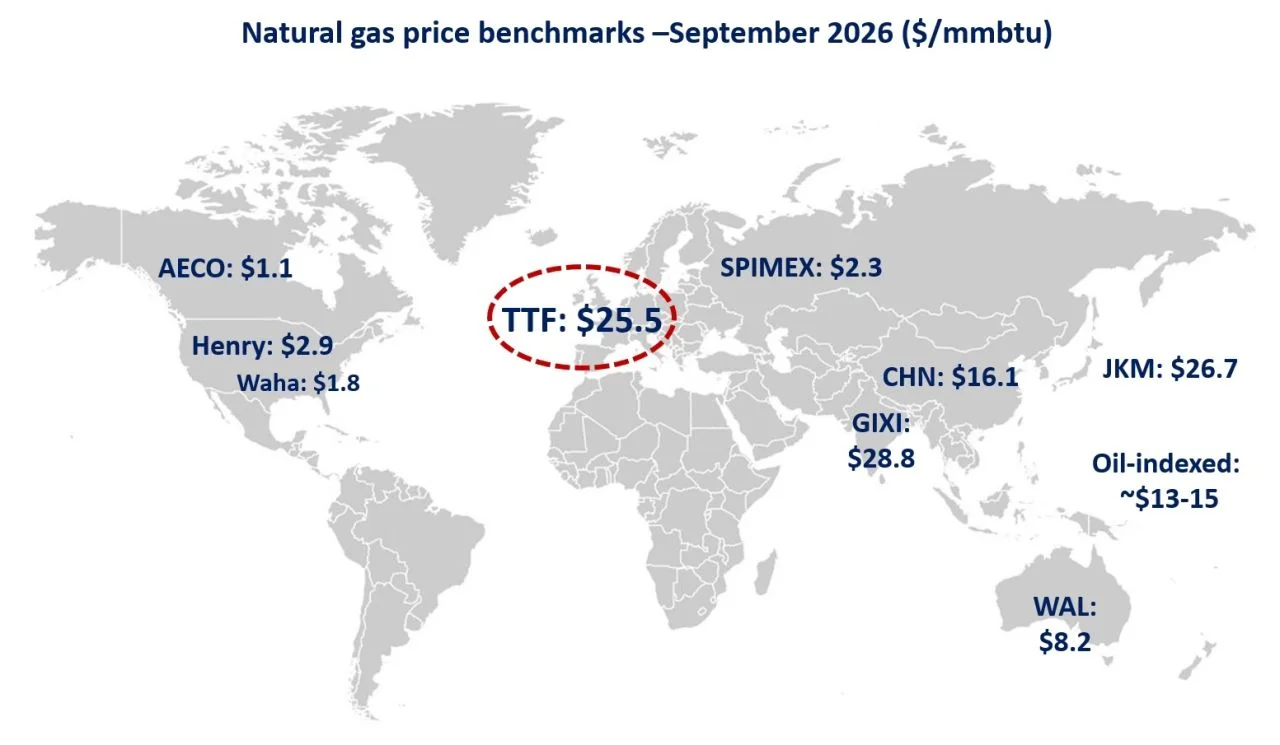

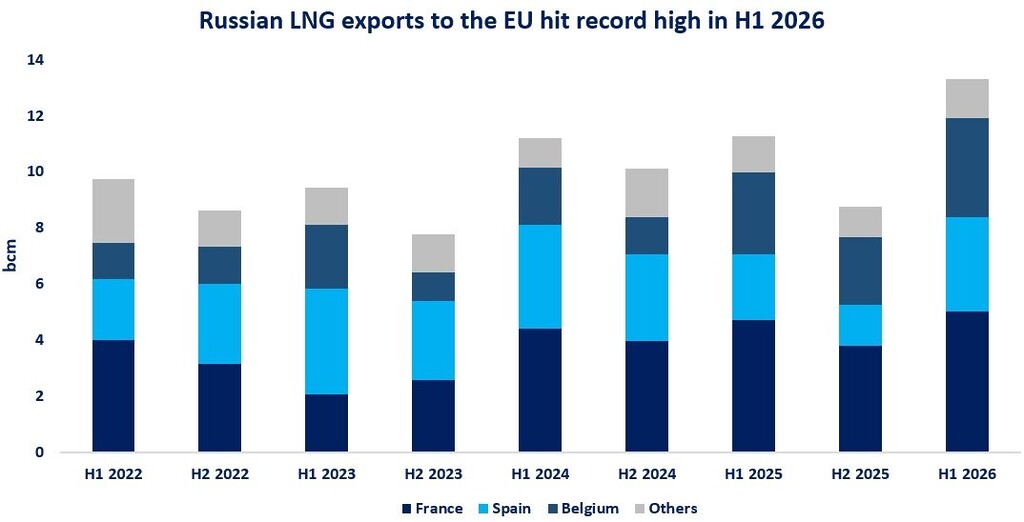
Russian LNG imports into the European Union reached a record level during the first half of 2026, highlighting the increasingly difficult position Europe faces as it seeks to reduce its dependence on Russian gas while rebuilding storage ahead of winter.
Analysis by Greg Molnár shows that Russian LNG accounted for around 20% of EU LNG imports during the first six months of the year, with shipments from the Yamal LNG project reaching record levels. France, Belgium and Spain remained the principal destinations, reflecting both long-term contractual commitments and changing market dynamics.
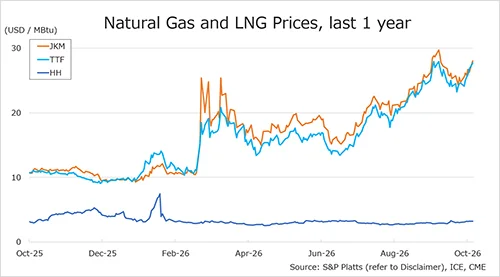
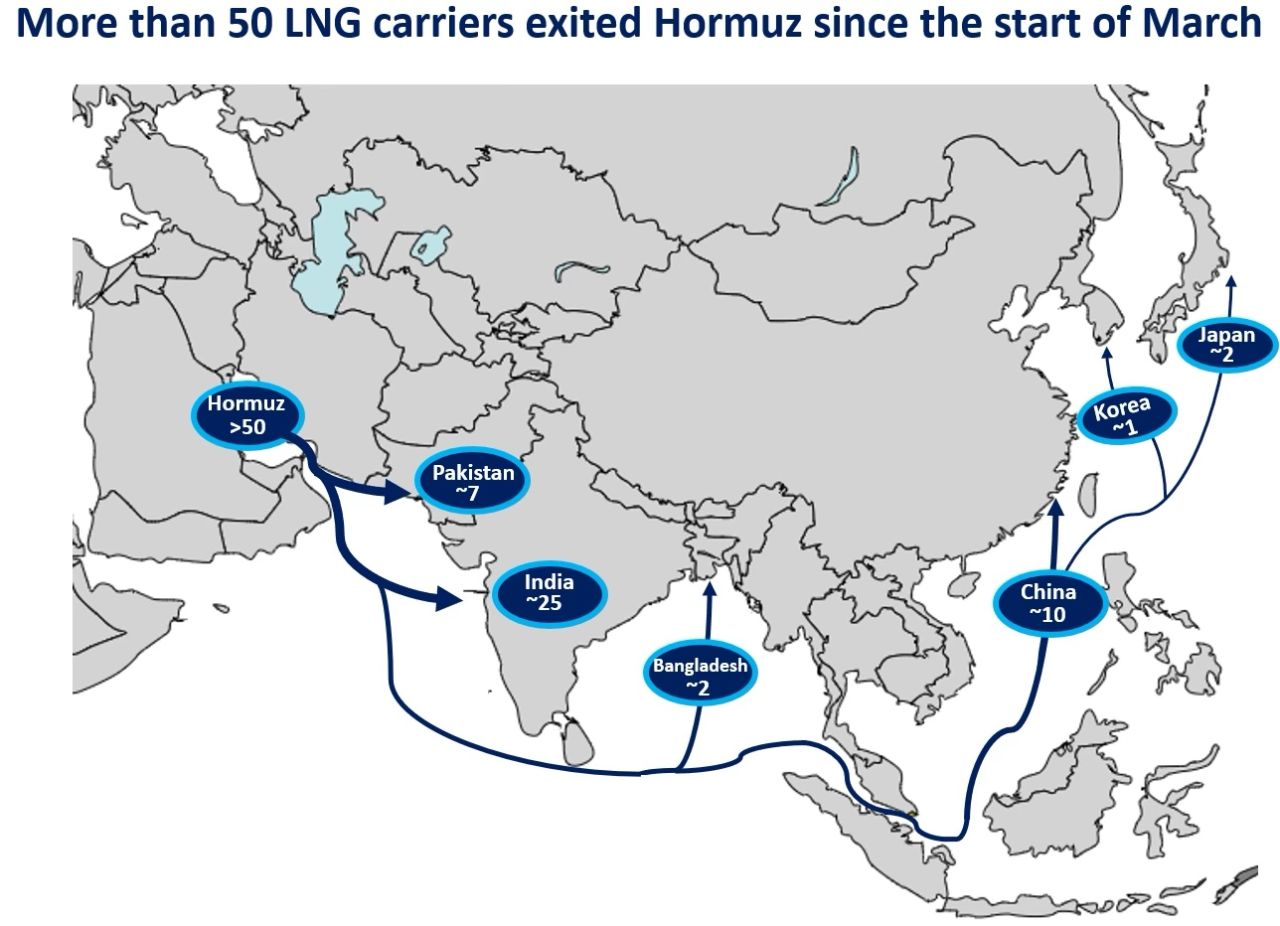
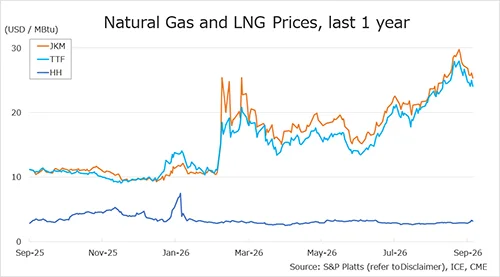
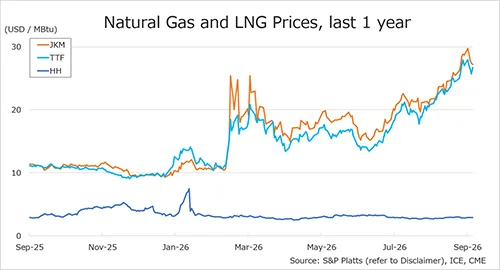
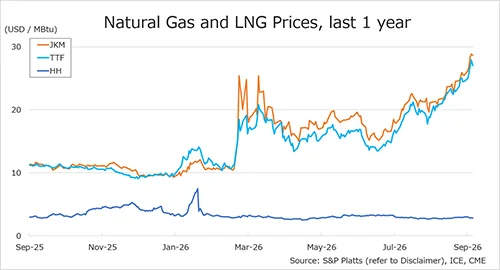
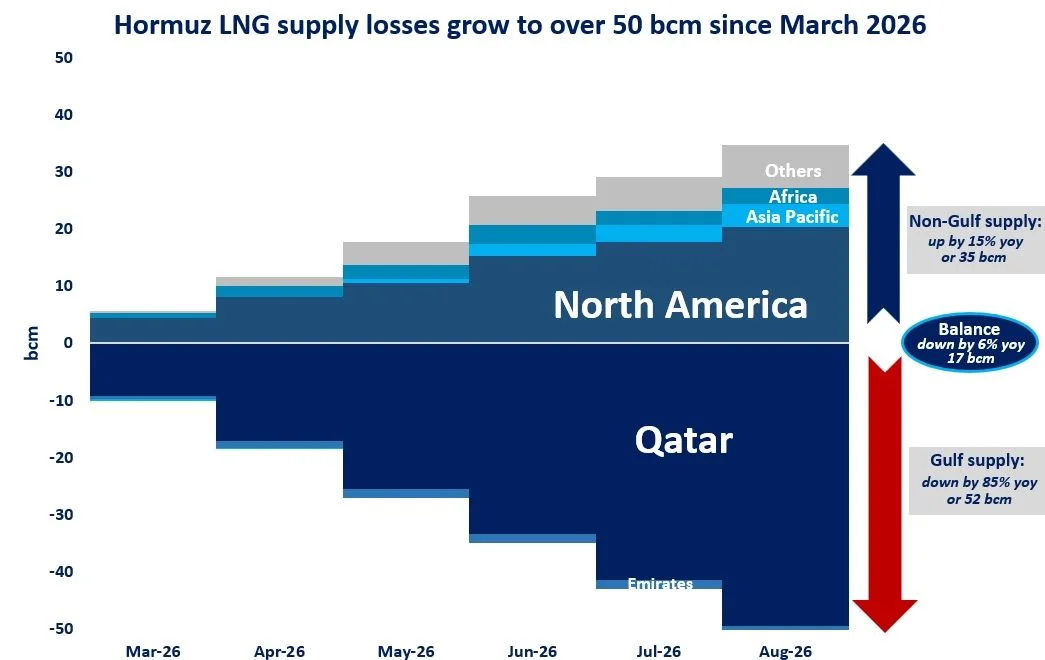
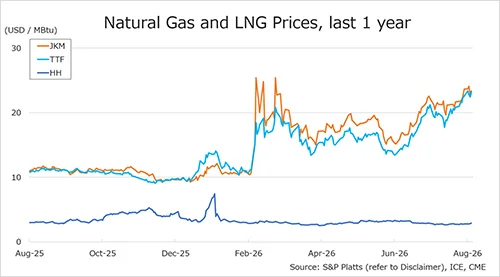
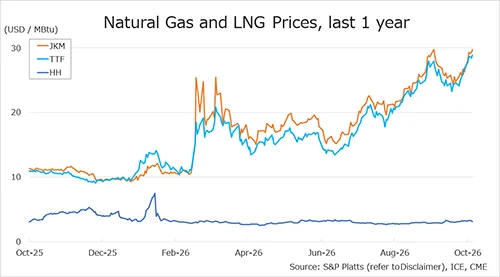
Several factors may explain the increase. Disruptions to LNG shipping through the Strait of Hormuz tightened global supply, making nearby Russian cargoes more attractive for European buyers. Seasonal use of the Northern Sea Route, greater flexibility within long-term LNG contracts and the impact of the EU’s transshipment restrictions may also have redirected additional Russian LNG towards European terminals.
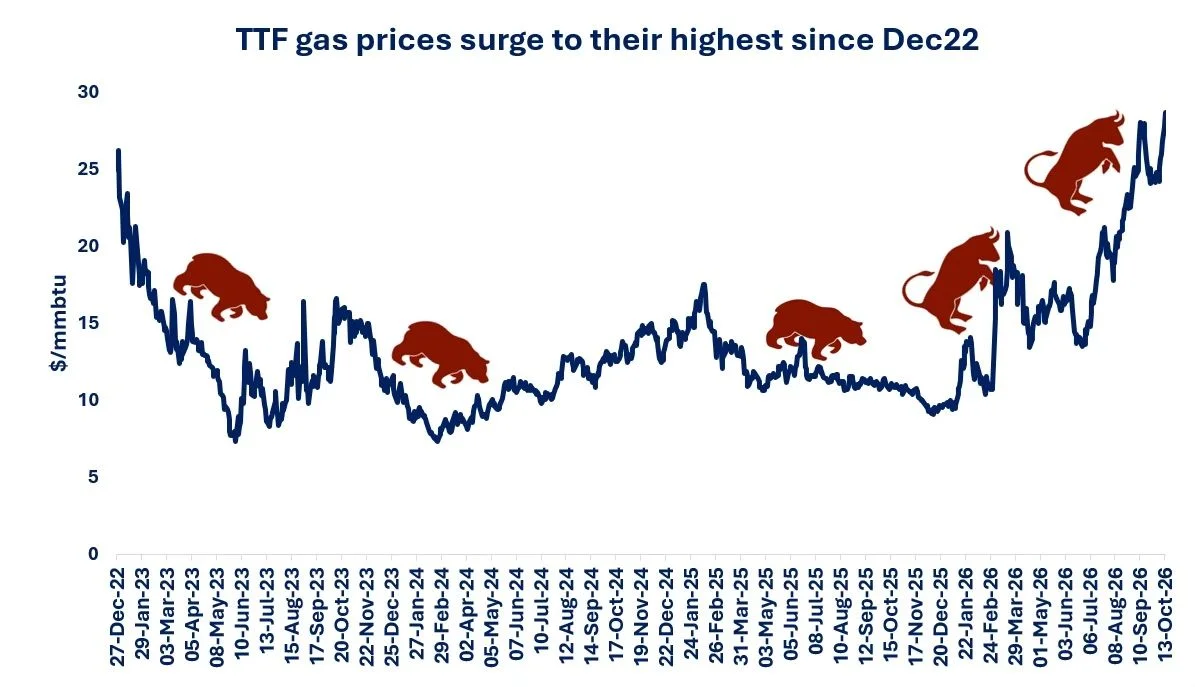
At the same time, Russia’s pipeline exports to Europe continue to tell a different story. According to energy analyst Anas Alhajji, Gazprom’s pipeline exports fell sharply in June, largely because of scheduled maintenance, while Europe’s gas storage refill campaign continued at a slower-than-normal pace. Storage stood at just 49.1% of capacity at the end of June, well below historical seasonal levels, underlining the challenge facing European buyers ahead of winter.
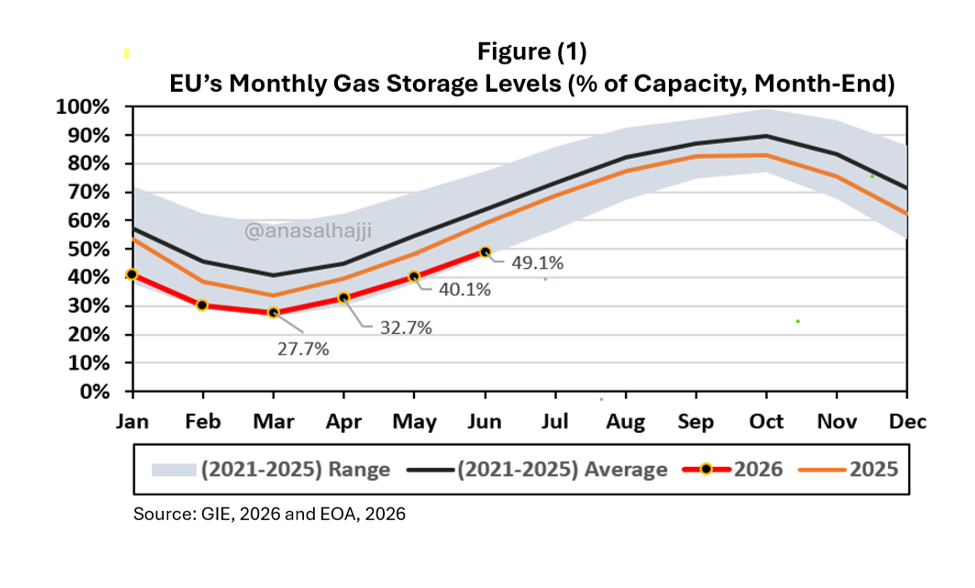
The contrasting trends illustrate the difficult position facing European policymakers and gas buyers. While the EU has dramatically reduced its reliance on Russian pipeline gas since the invasion of Ukraine, Russian LNG continues to arrive in significant volumes. Existing long-term contracts, tight global LNG supply and Europe’s urgent need to rebuild storage have limited the bloc’s ability to eliminate Russian gas from its energy mix as quickly as political ambitions might suggest.
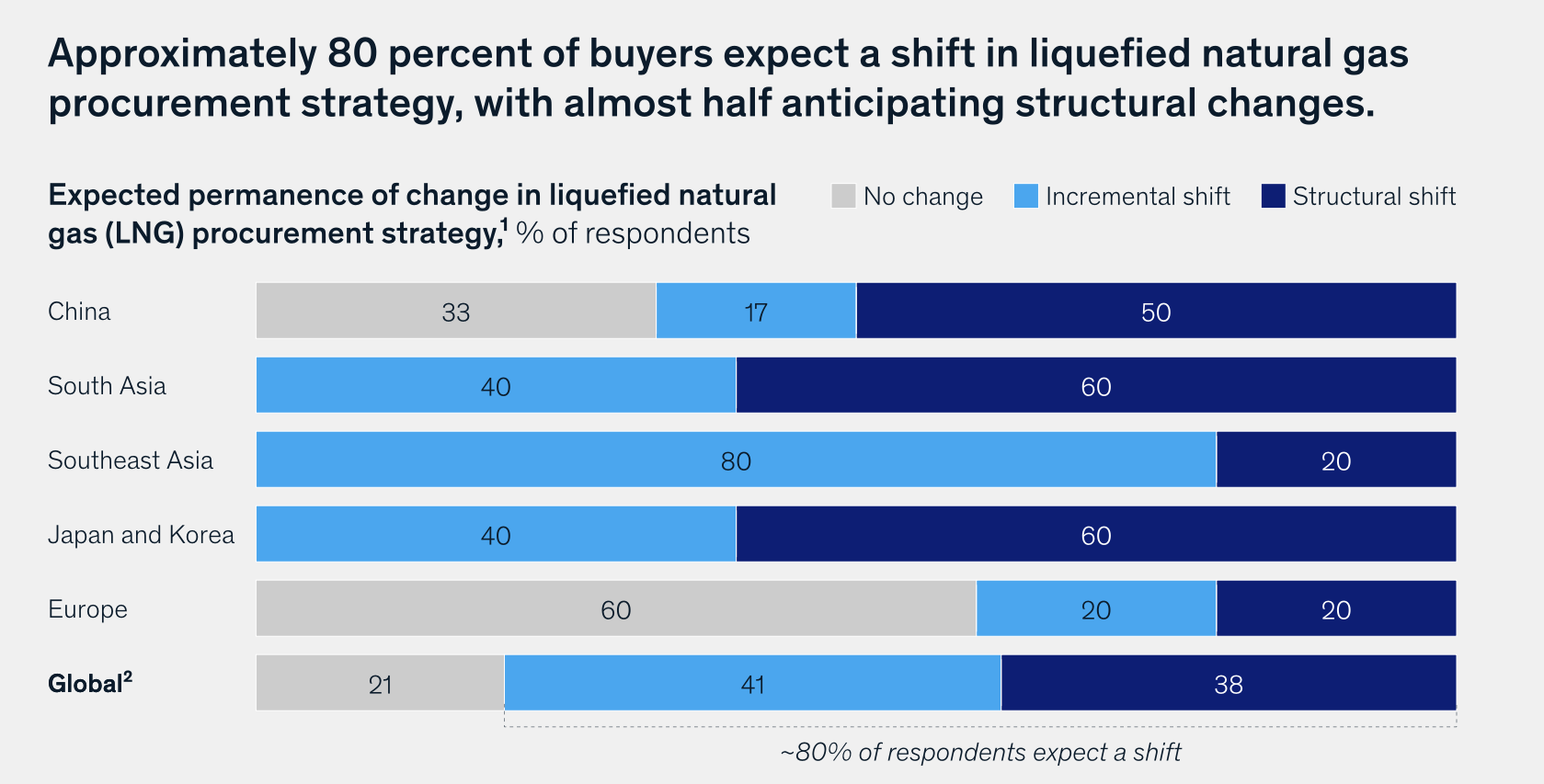
Europe’s room for manoeuvre could become even more constrained if Chinese demand for LNG continues to recover. Anne-Sophie Corbeau recently highlighted the arrival of the first US LNG cargo into China in more than a year, noting that while it represents only a single shipment, several new US LNG contracts with Chinese buyers could increasingly redirect future cargoes towards Asia rather than Europe. If that trend gathers pace, fewer flexible LNG volumes may be available to Europe just as competition for winter supplies intensifies.
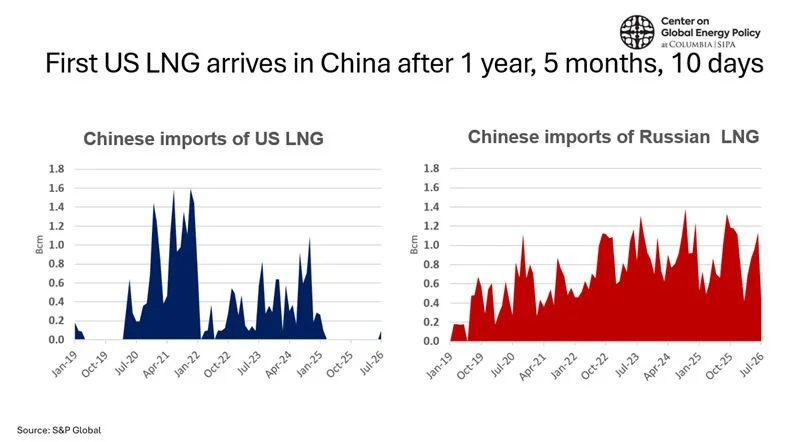
Taken together, the three developments paint a challenging picture for the European gas market. Russian pipeline gas continues to decline, yet Russian LNG remains deeply embedded in Europe’s supply mix at a time when storage levels remain under pressure and global LNG markets are tight.
If Asian demand strengthens and more US LNG is drawn eastwards, Europe’s ability to reduce Russian LNG imports without compromising energy security may prove even more difficult than many policymakers had anticipated.
Sources:
Greg Molnár, LinkedIn analysis on Russian LNG exports to the EU (July 2026).
Anas Alhajji, Energy Outlook Advisors, “Gazprom Exports Plunge 24% in June as Europe’s Gas Storage Refill Lags and Winter Risks Mount” (15 July 2026).
Anne-Sophie Corbeau, LinkedIn, “First US LNG arrives in China after 1 year, 5 months, 10 days” (July 2026)