
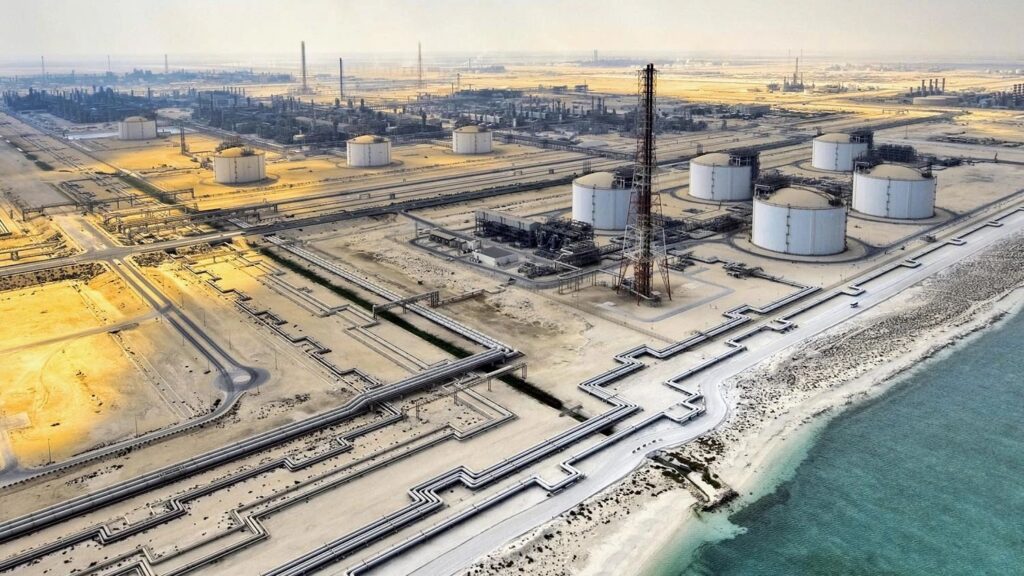
Qatar LNG capacity has been significantly hit following attacks on Ras Laffan, with QatarEnergy confirming damage to key liquefaction infrastructure and a prolonged loss of export volumes.
In an interview with Reuters, CEO Saad al-Kaabi stated that two of Qatar’s 14 LNG trains — S4 and S6 — and one of its two gas-to-liquids facilities have been damaged and taken offline.
The affected LNG trains are operated in partnership with ExxonMobil, which holds stakes of 34% in Train S4 and 30% in Train S6.
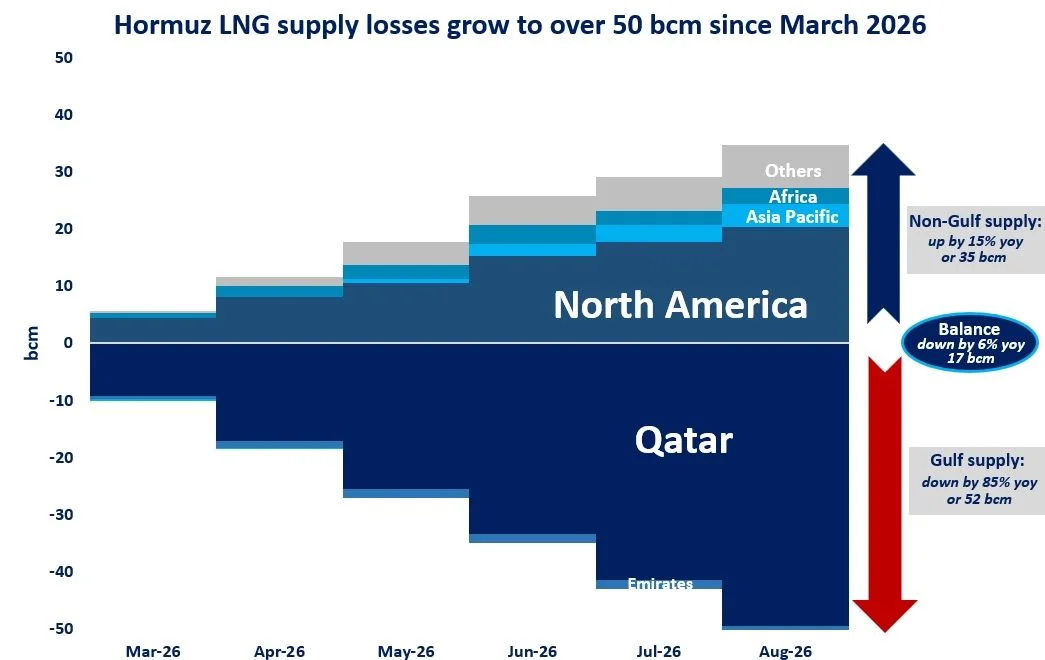
The scale of the disruption is material. Qatar expects to lose 12.8 million tonnes per year of LNG capacity, equivalent to roughly 17% of its export volumes, with repairs likely to take three to five years.
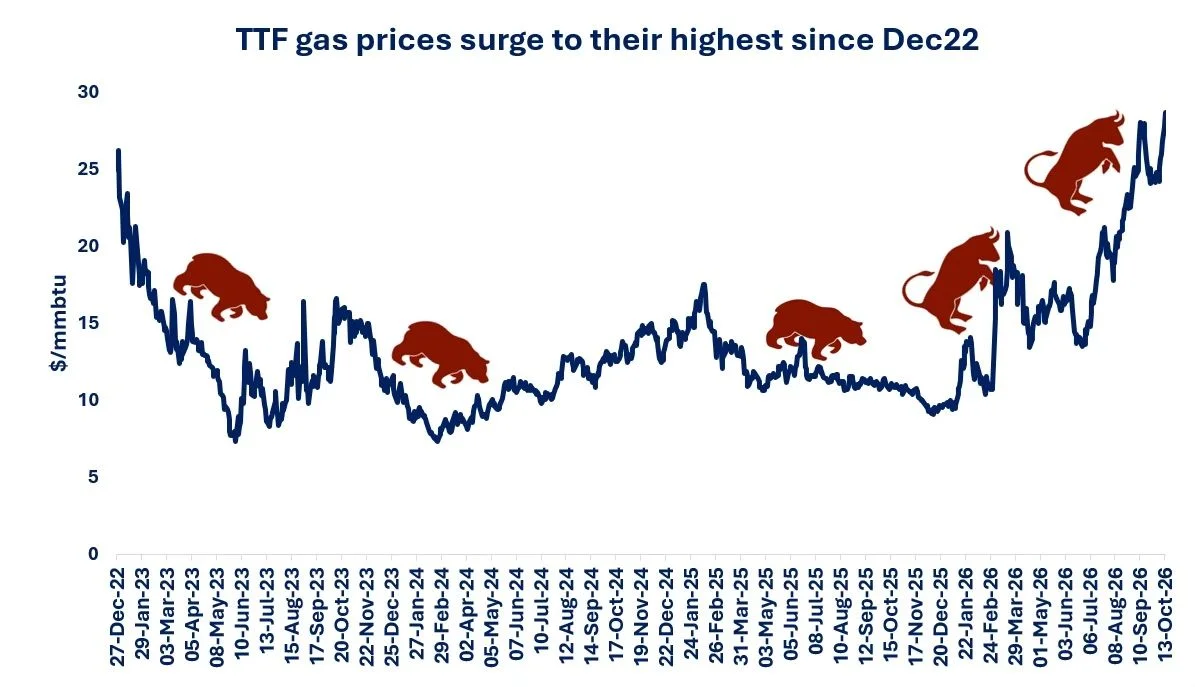
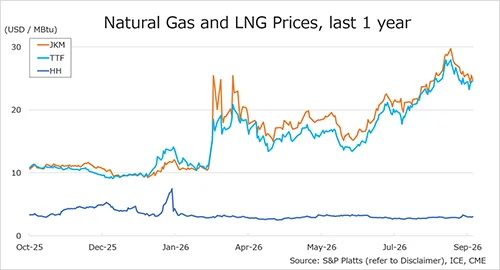
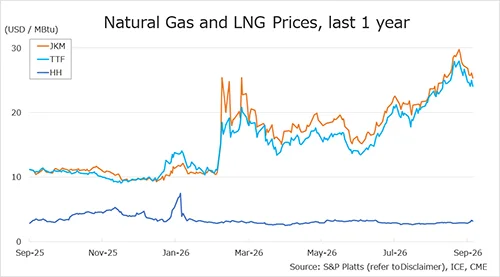
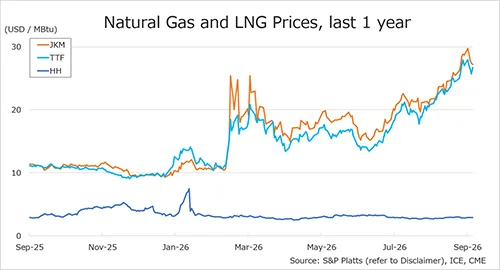
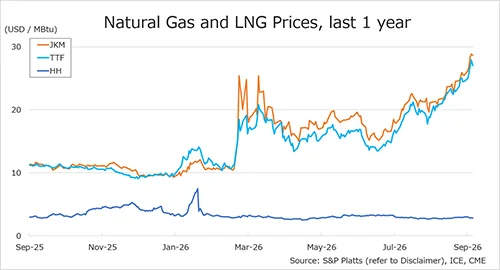
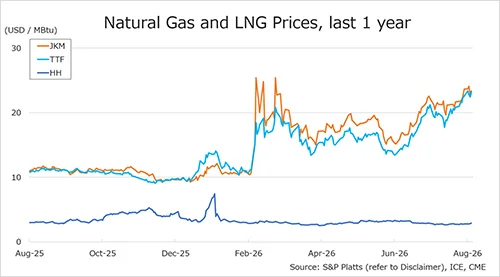
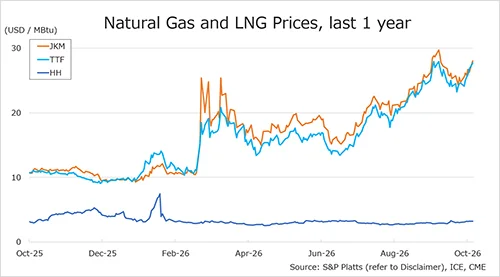
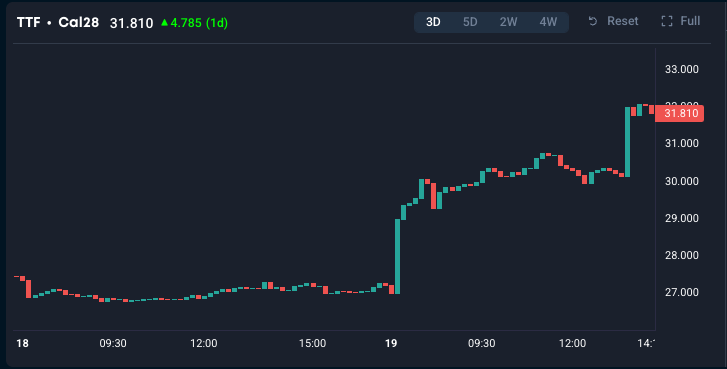
The market reaction has been immediate. As Spark Commodities noted, “Cal28 TTF now up 17% on the day to €31.810 at 14:10 UK time,” reflecting how quickly European gas markets are repricing the loss of Qatari LNG supply.
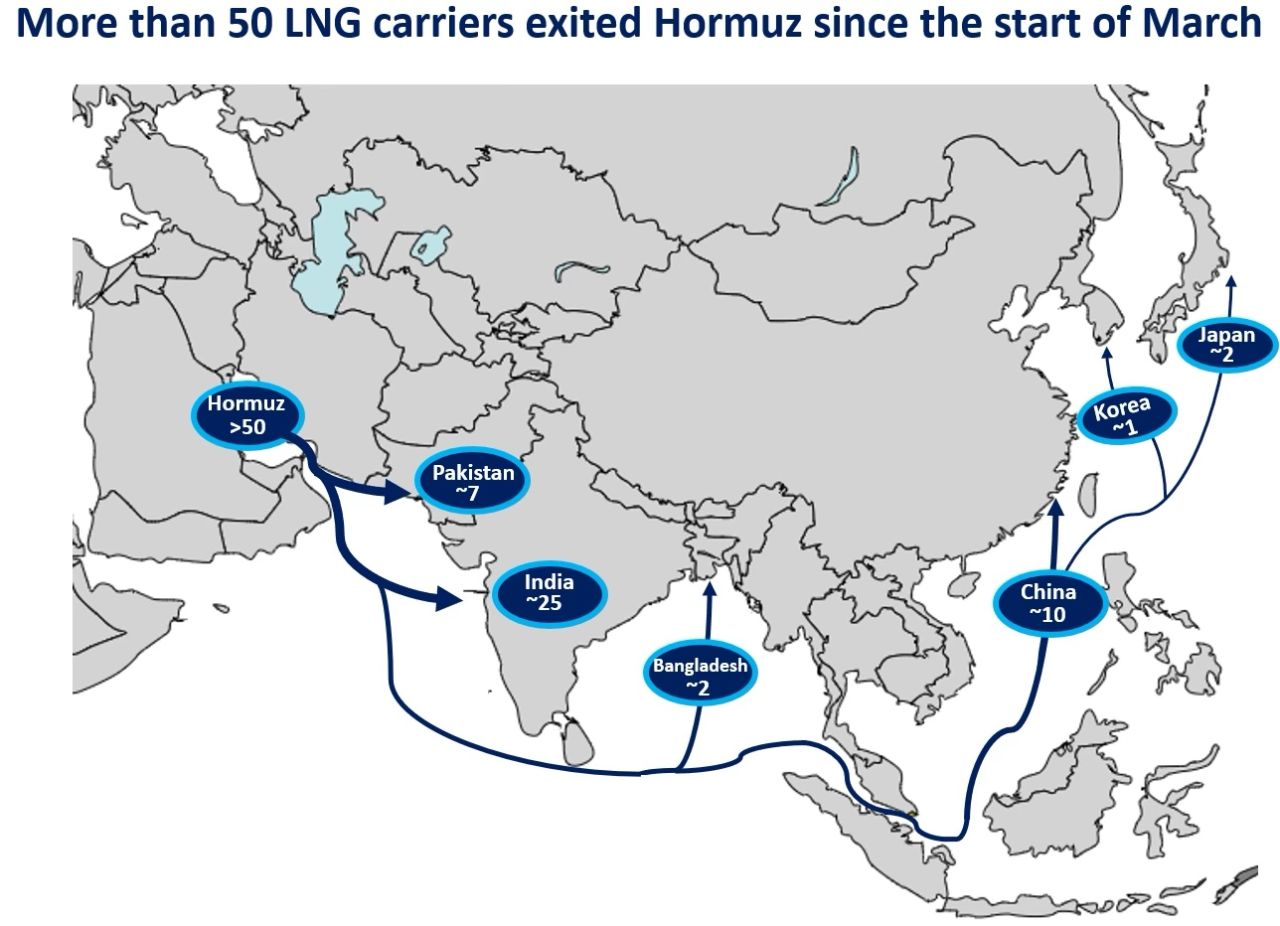
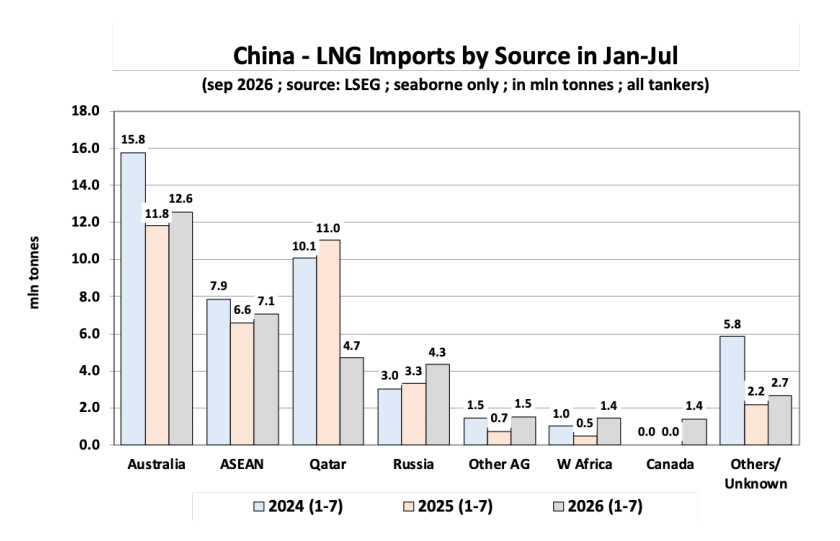
The company is now considering declaring force majeure on long-term LNG supply contracts, potentially affecting deliveries to Italy, Belgium, South Korea and China.
Beyond LNG, the impact extends across associated product streams. QatarEnergy indicated that condensate exports could fall by around 24%, LPG by 13%, and helium by 14%, highlighting the broader downstream effects of the damage.
Financially, the disruption is substantial, with estimated annual revenue losses of around $20 billion from the affected facilities.
Al-Kaabi also noted that production cannot resume until hostilities cease, reinforcing the risk that outages may persist if the conflict continues.
This marks a rare and significant disruption to Qatar’s LNG system, which has long been considered one of the most reliable pillars of global gas supply.
ADDITIONAL RESOURCES: