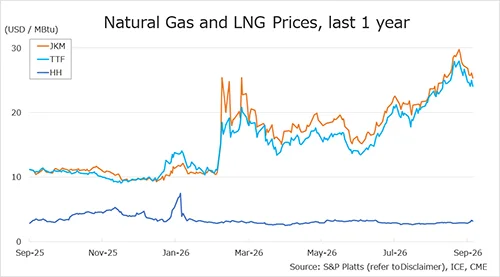
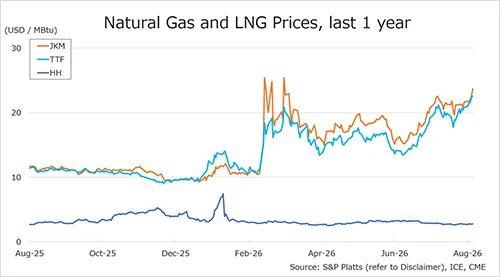
Natural gas prices are surging across global markets as tensions around Iran and the Strait of Hormuz raise fears of major disruptions to LNG flows from the Middle East. European and Asian benchmarks have jumped sharply as traders price in the risk of a prolonged supply shock.
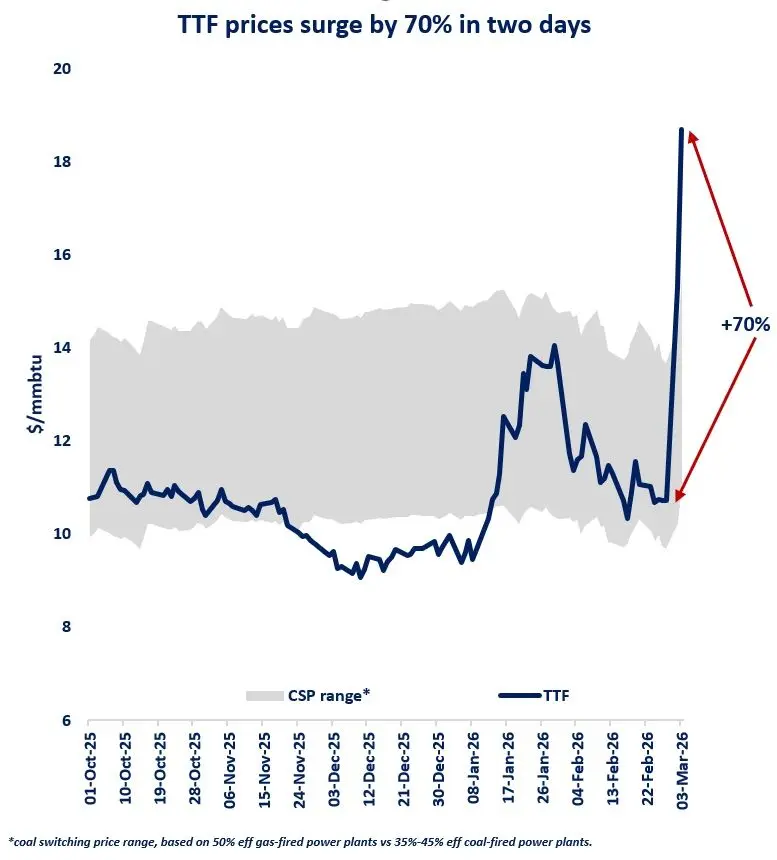
European gas prices have surged sharply as tensions around Iran and the Strait of Hormuz raise fears of disruptions to global LNG supply.
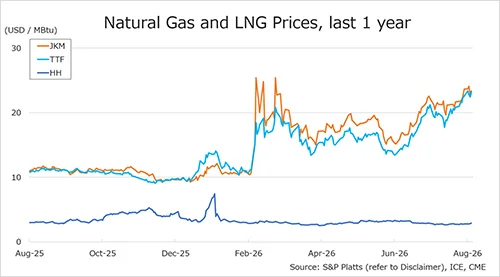
The Dutch TTF benchmark has jumped roughly 70% in just two days, marking one of the steepest price moves since the 2022 energy crisis, according to market commentary from global gas analyst Greg Molnar. Oil markets are also reacting, with Brent crude rising from around $72 to nearly $80 per barrel as geopolitical risk premiums return to global energy markets.
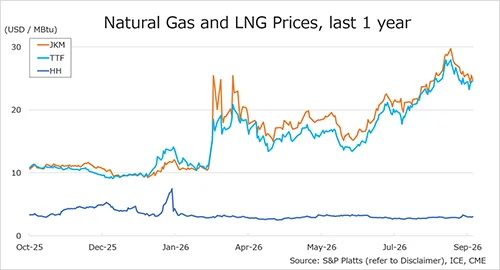
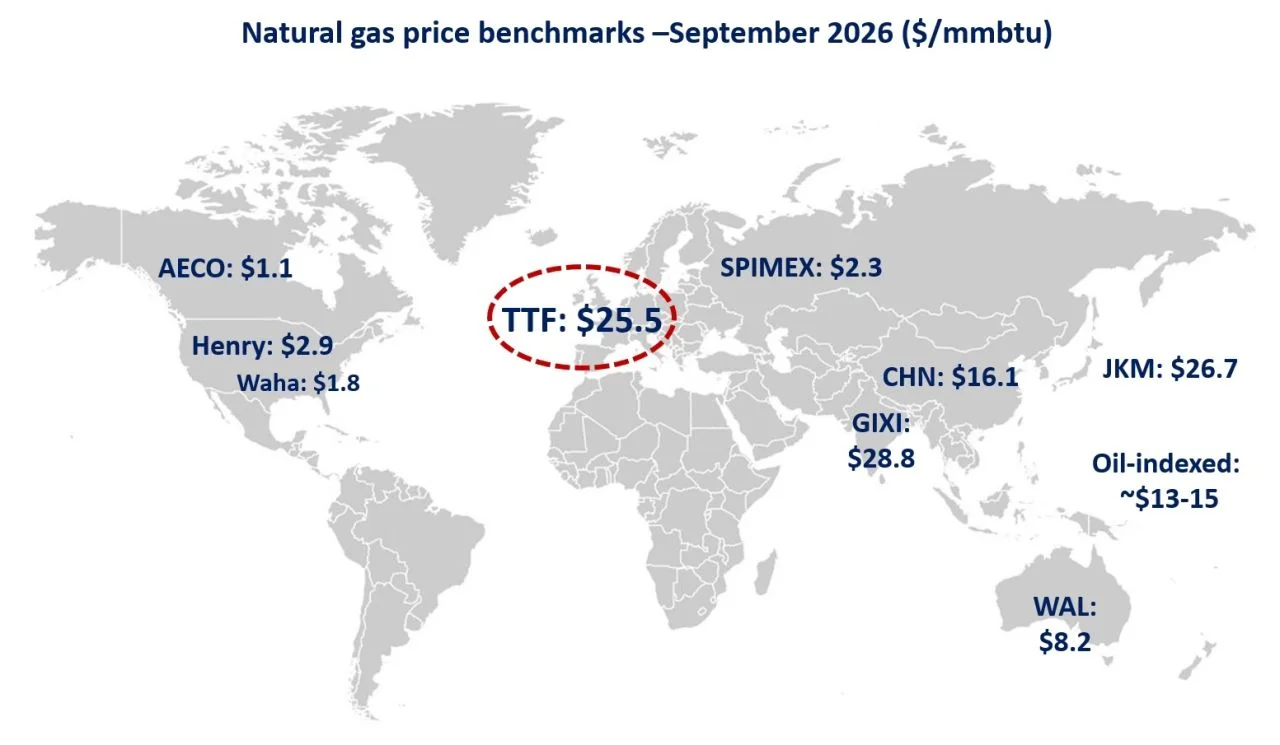
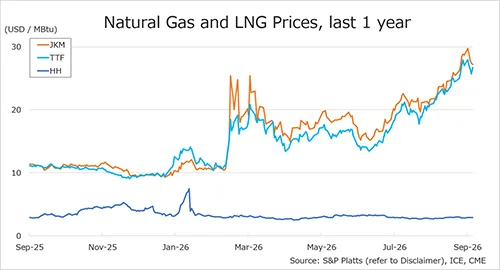
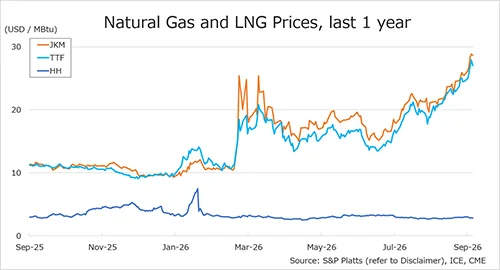
Asian LNG markets are also seeing sharp movements. The JKM benchmark — Asia’s key LNG price marker — surged to around $25.39/MMBtu, representing a 68% day-on-day increase, according to market commentary from LNG analyst Hendrian Sukardi, as traders priced in the risk of supply disruptions linked to the Strait of Hormuz.
The strong reaction in natural gas prices contrasts with developments in the United States. Henry Hub remains around $3/MMBtu, suggesting the shock is concentrated in international LNG markets rather than US domestic gas supply.
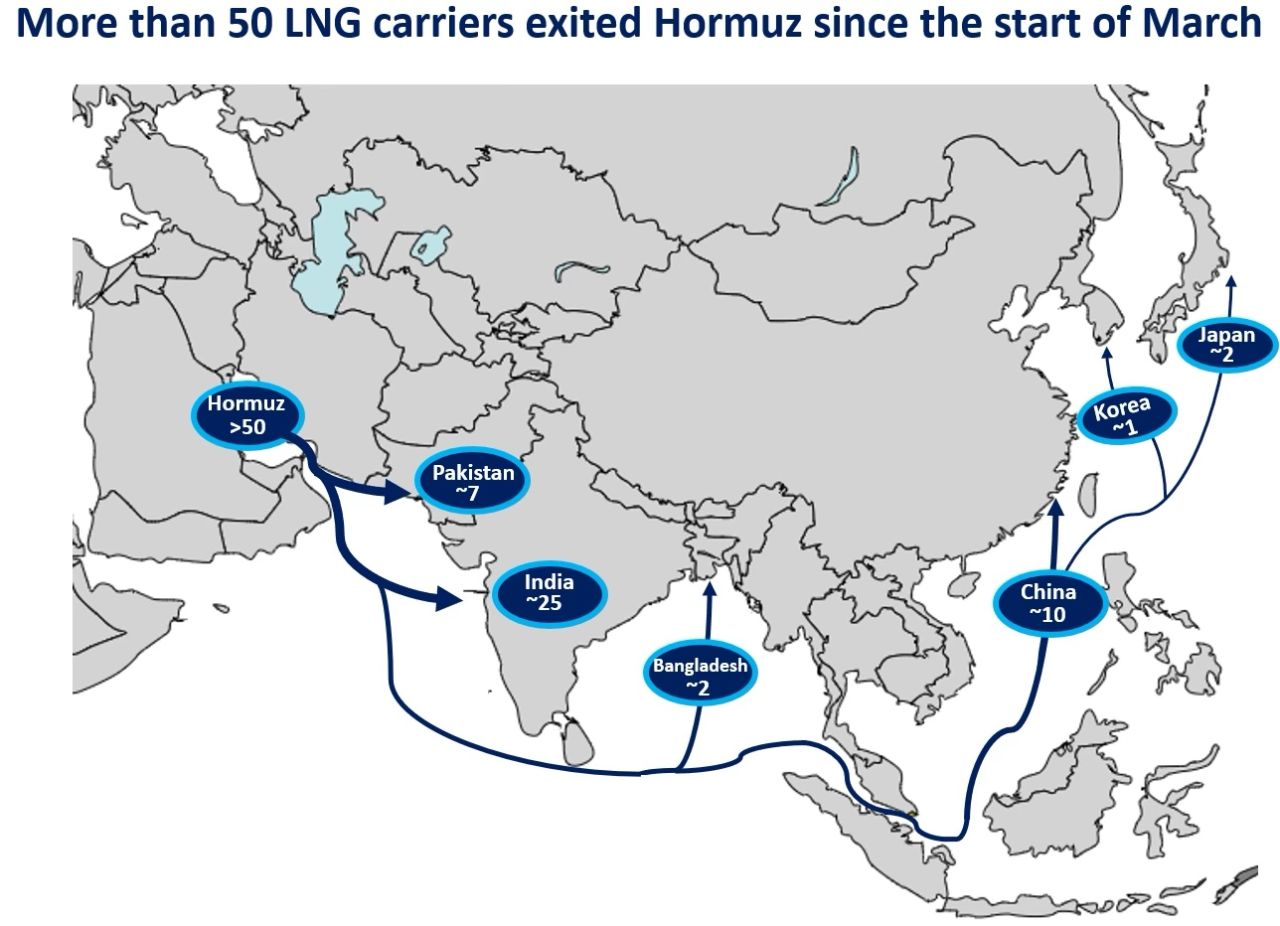
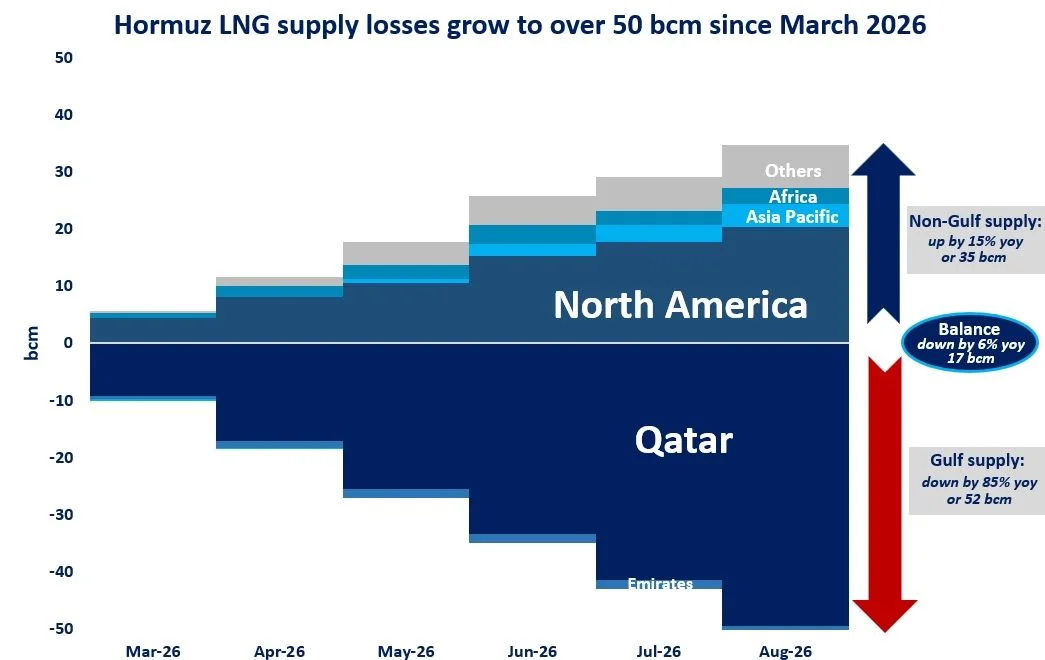
Analysts say the market is reacting to the possibility that flows through the Strait of Hormuz — a critical artery for global energy trade — could be disrupted. The waterway handles roughly 20% of global LNG supply, with most Qatari exports transiting the route.
Qatar is the world’s largest LNG exporter, shipping around 80 million tonnes per year, and any prolonged disruption could significantly tighten global supply.
At the same time, other supply risks are emerging across the region. Israel’s offshore gas fields have reportedly shut down, affecting regional gas balances, while pipeline flows from Iran to Turkey are also seen at risk.
Despite Europe’s limited direct reliance on Qatari LNG in recent years, analysts note that a halt in Qatari exports would still reverberate through global markets by intensifying competition for cargoes between Asia and Europe, a dynamic highlighted in recent market commentary from Hendrian Sukardi.
Europe is entering this shock with gas storage levels below 25% at the end of winter, the lowest seasonal level in years. That leaves European buyers highly exposed to supply disruptions and likely to compete aggressively for available cargoes.
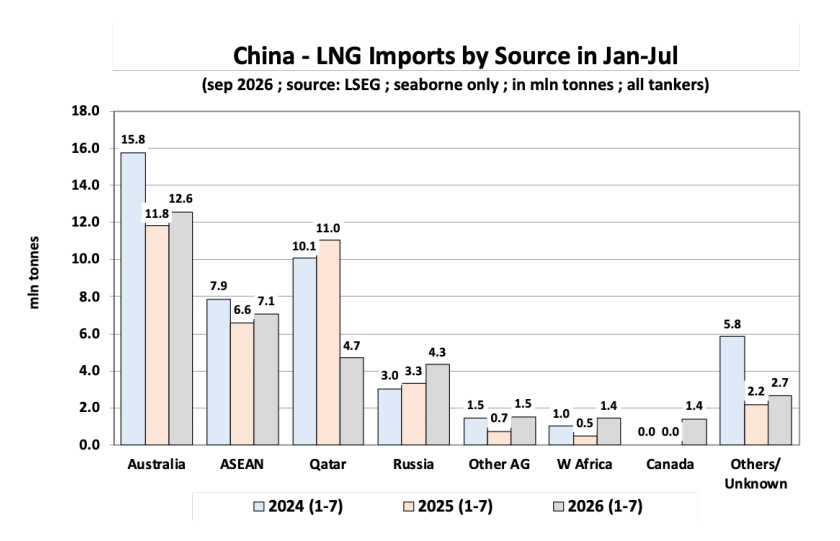
At the same time, Asian importers — including China, South Korea, Taiwan and India — would also be forced to replace Middle Eastern supply if shipments through Hormuz are disrupted.
The result could be a global bidding war for a shrinking pool of uncommitted LNG cargoes, pushing natural gas prices higher across both Atlantic and Pacific markets.
Some market observers argue that the crisis could ultimately benefit certain producers. With international gas prices rising sharply while US gas prices remain relatively subdued, US LNG exporters could see widening margins on cargoes shipped to global markets.
For now, traders say the key variable is duration. A short disruption may inject volatility into gas markets. A prolonged shutdown of Hormuz transit, however, could trigger a global scramble for LNG and push natural gas prices significantly higher.