Russia LNG ambitions are no longer constrained primarily by liquefaction capacity. Instead, shipping availability, Arctic logistics and sanctions-related technology restrictions are emerging as the key factors determining how much Russian LNG can actually reach global markets.
Russia possesses some of the world’s largest natural gas resources and significant LNG production capacity. Yet despite continued interest in expanding exports, the country’s ability to deliver additional LNG volumes to international buyers is increasingly being shaped by logistical rather than production constraints.
Since 2022, Russia’s gas export strategy has undergone a major transformation. Pipeline exports to Europe have fallen sharply, while LNG has become a more important route for monetising gas reserves and accessing global markets. Existing projects such as Yamal LNG and Sakhalin-2 continue to operate successfully, while Arctic LNG 2 has started production but faces ongoing commercial and logistical challenges.
The key issue is no longer how much LNG Russia can produce. It is how much LNG Russia can transport.
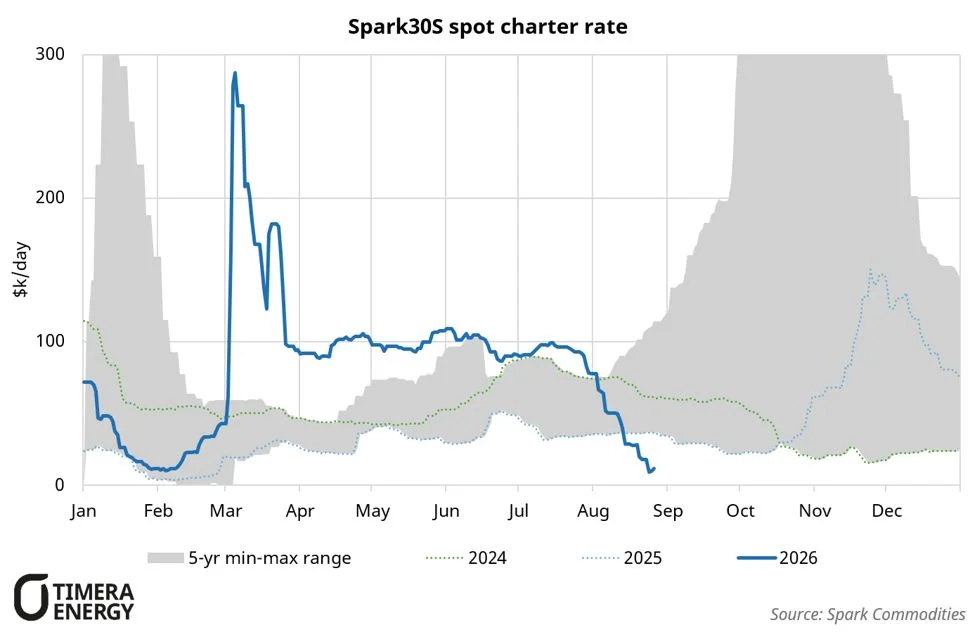
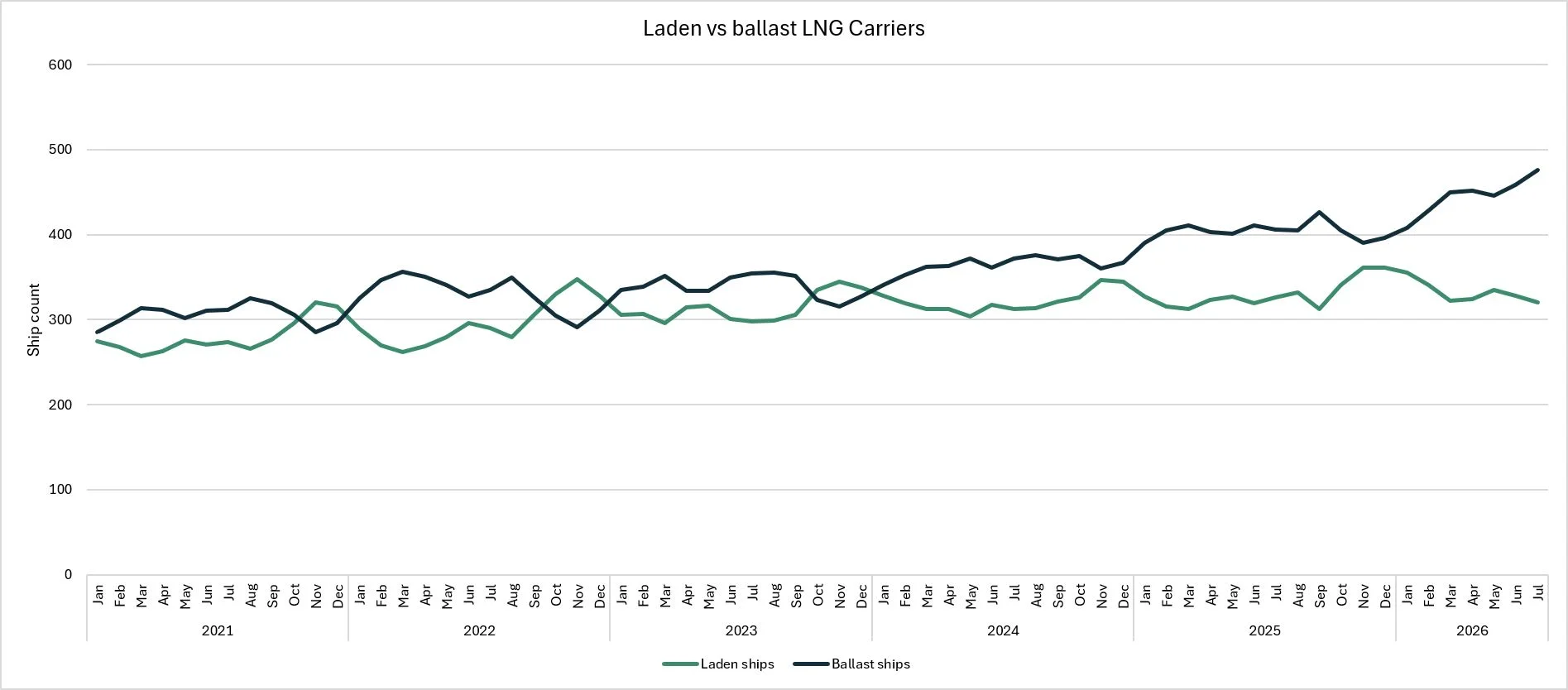
Russia’s Arctic LNG projects depend heavily on specialised Arc7 ice-class LNG carriers capable of operating in harsh Arctic conditions throughout the year. Although the country’s fleet has expanded and additional vessels are under construction, fleet growth has not kept pace with export ambitions. During winter months in particular, vessel availability can become a significant bottleneck.
Logistics have also become more complex. European restrictions on LNG transshipment services have forced Russia to reorganise export routes and develop alternative domestic logistics hubs, particularly around Murmansk. While these measures have allowed exports to continue, they have reduced operational flexibility and increased costs across the supply chain.
The Northern Sea Route remains an important advantage during summer months, shortening voyages to Asian markets. However, the route is seasonal and cannot fully eliminate Russia’s reliance on specialised Arctic shipping capacity.
Sanctions have added another layer of uncertainty. Access to key technologies, specialised equipment, engineering expertise and maritime services has become more difficult, increasing execution risks for future LNG developments.
As a result, a widening gap is emerging between Russia’s nominal LNG production capacity and its effective export capability. Looking towards 2030, shipping availability, logistics infrastructure and project execution are likely to play a greater role in determining Russian LNG export growth than resource availability alone.
For global LNG markets, the critical question is no longer how much LNG Russia can produce, but how much it can actually deliver.
Source: Cedigaz, Russia’s LNG Supply Potential: Why Shipping Matters More Than Liquefaction Capacity, June 2026. Full article and additional analysis available via Cedigaz.