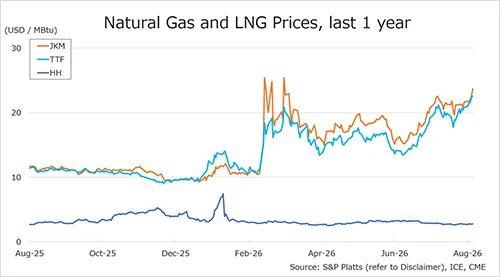
LNG shipments through the Strait of Hormuz offer temporary relief to Asian importers, but sporadic cargo movements do not signal a lasting recovery in supply. Continued security risks leave markets exposed to disruption and uncertainty ahead of winter.
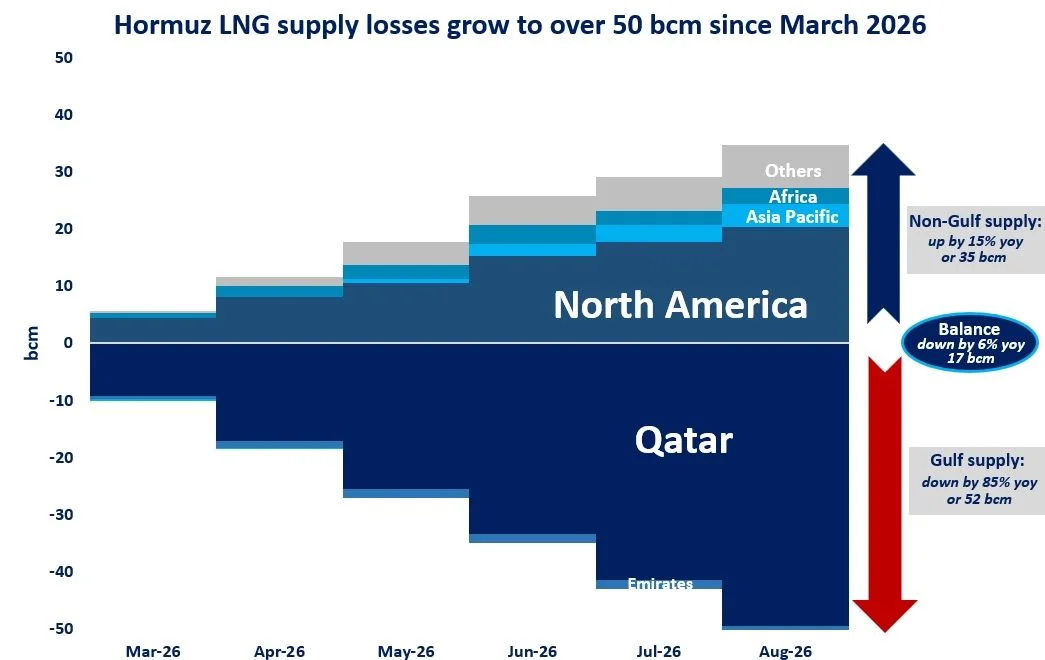
Like a painkiller: LNG exit flows through the Strait of Hormuz collapsed by 90% yoy since the start of March, translating into a loss of over 55 bcm in absolute terms.
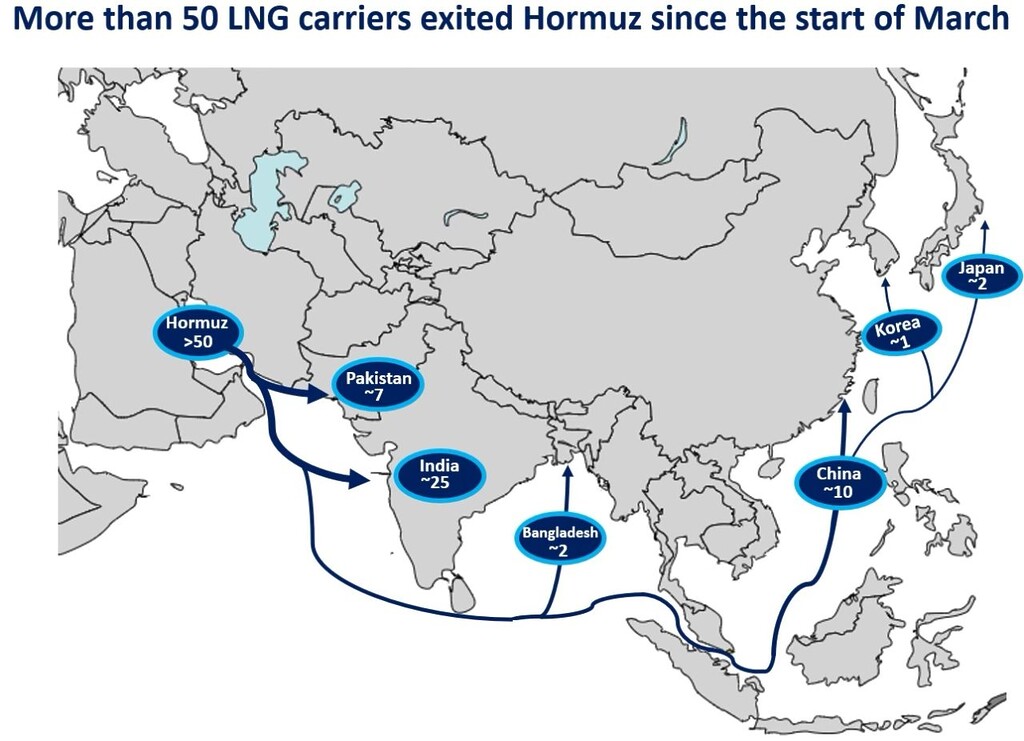
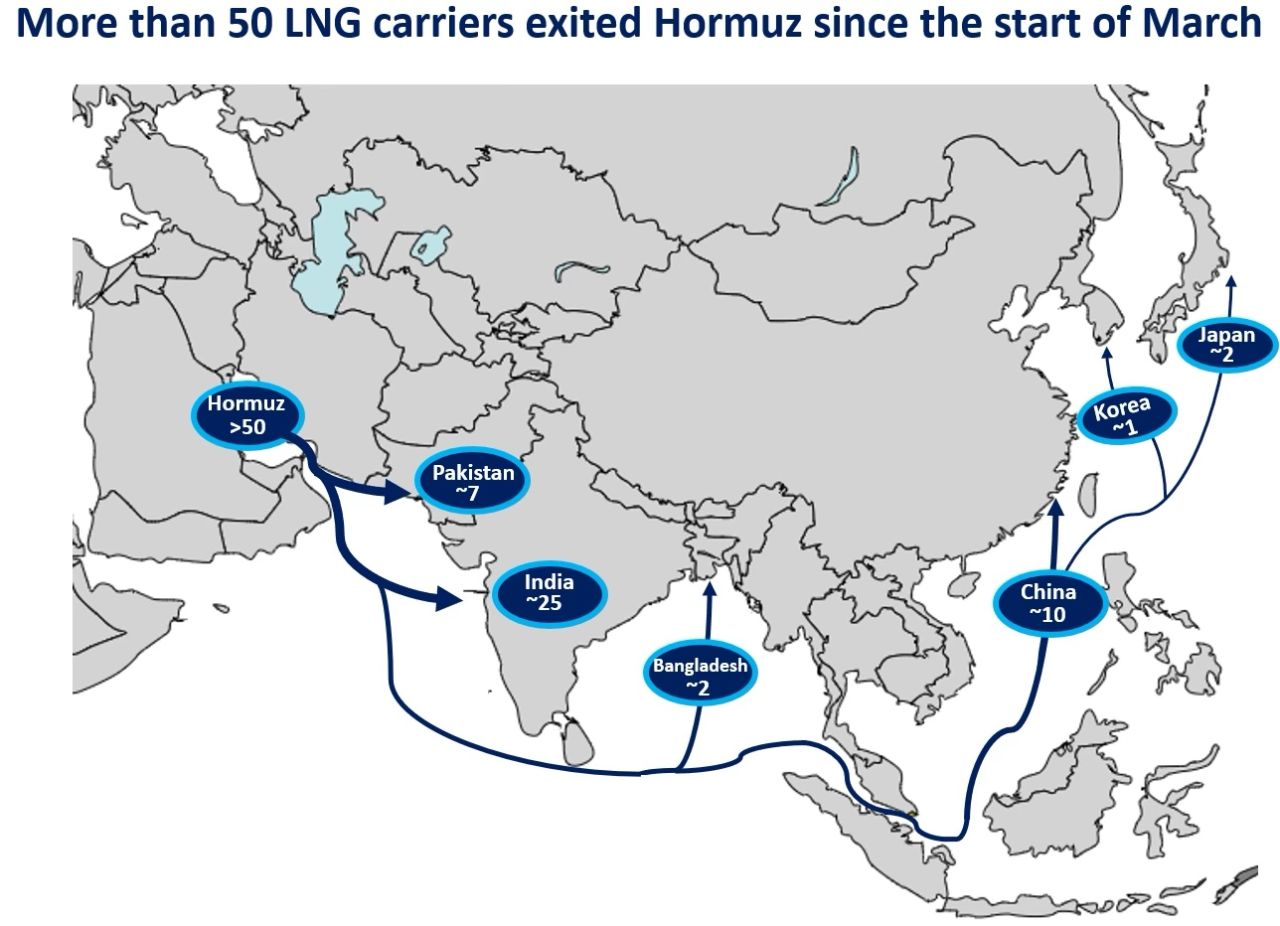
Still, just over 50 LNG carriers passed the Strait since the beginning of the Hormuz crisis, with all cargoes delivered to Asian markets, which are the most hit by the ongoing supply disruption.
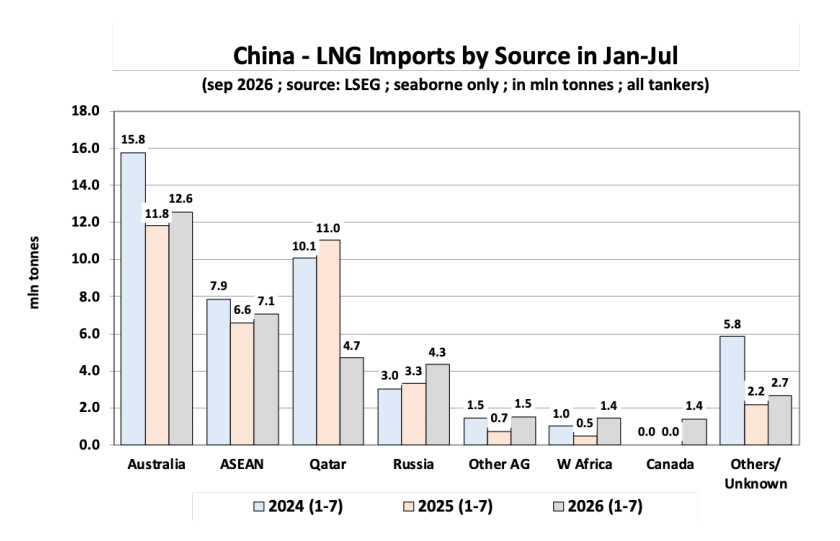
India, China and Pakistan received around 80% of the total LNG cargoes delivered through Hormuz, reflecting their long-term contracts and commercial relationship with Qatar and the Emirates.
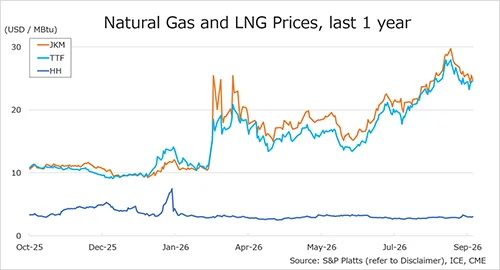
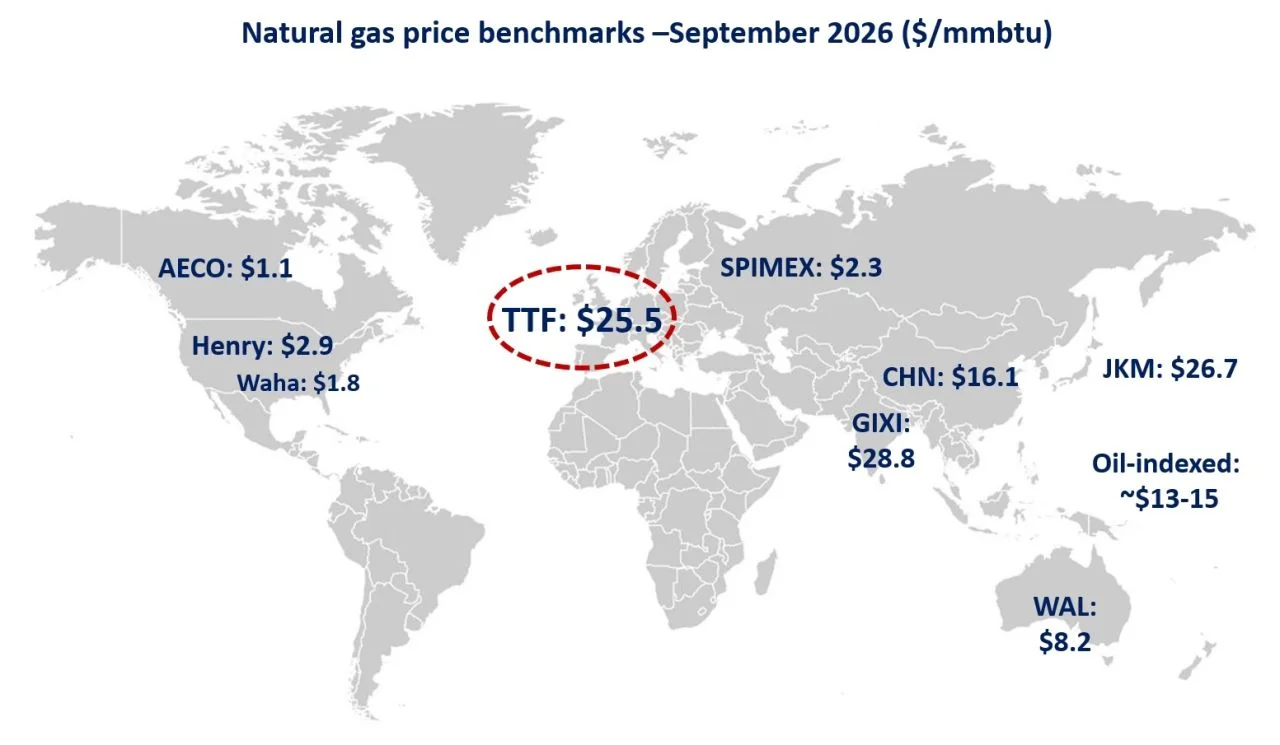
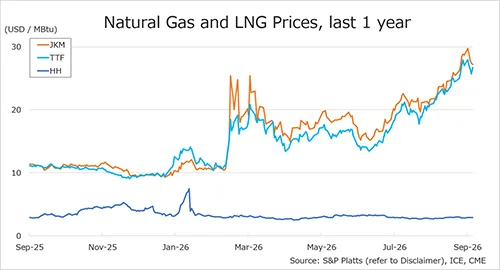
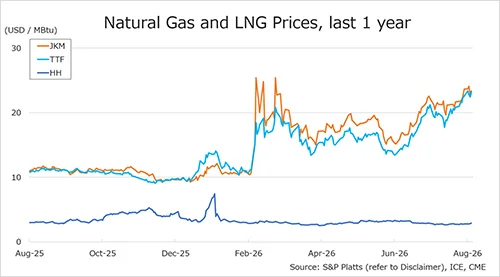
LNG traffic through the Strait picked up in September with around 20 cargoes exiting Hormuz. And both TTF and JKM prices tend to fall on such news reports… until a tanker is hit by a drone or a missile, such as Maran Gas Mystras which was attacked earlier this week while trying to transit today’s most dangerous maritime Strait.
Current sporadic LNG shipments through Hormuz act like a temporary painkiller for the receiving Asian import markets, but they certainly don’t represent a structural change in the underlying market conditions… Hence, it is surprising to see how the market reacts whenever we have the news that LNG traffic is “picking up”.
What is your view? How long will the disruption last? What does it mean for risk premiums? How will the winter gas market balance out?