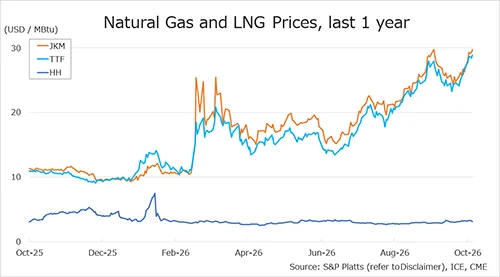
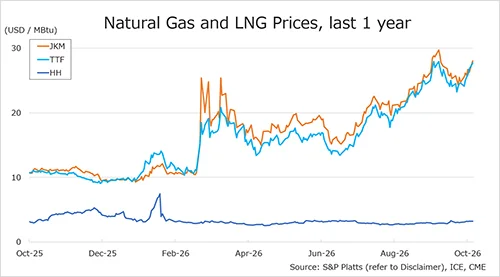
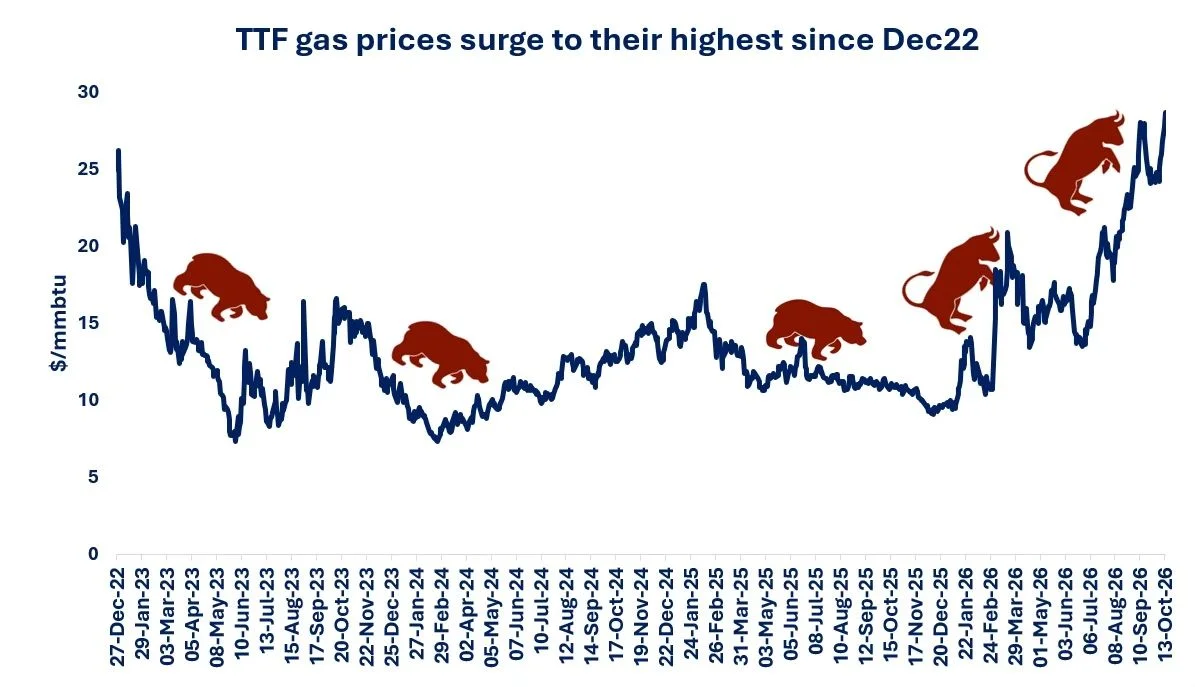
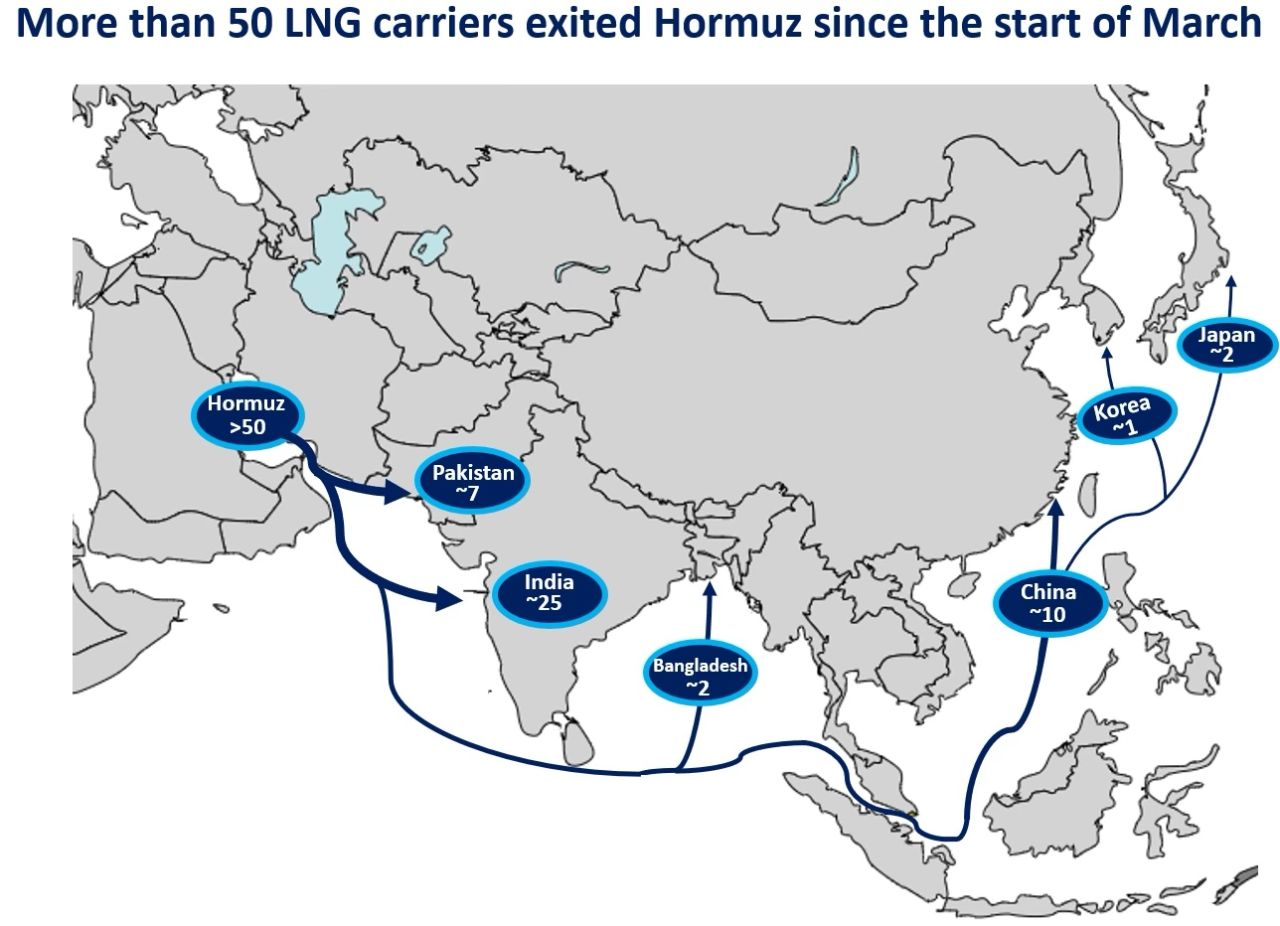
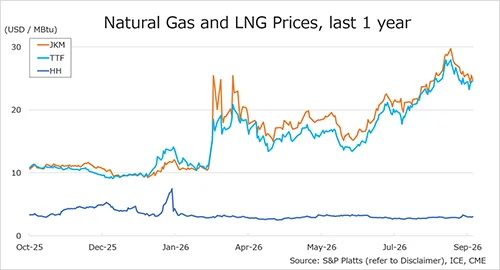
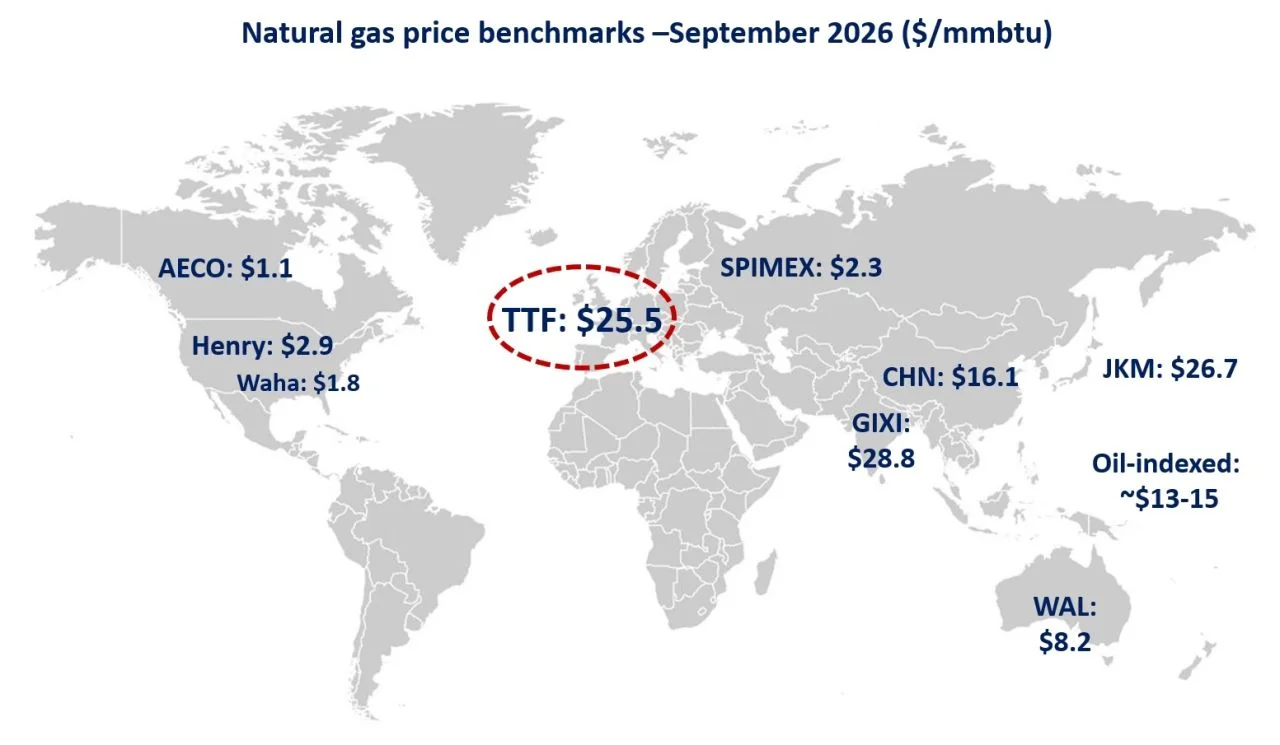
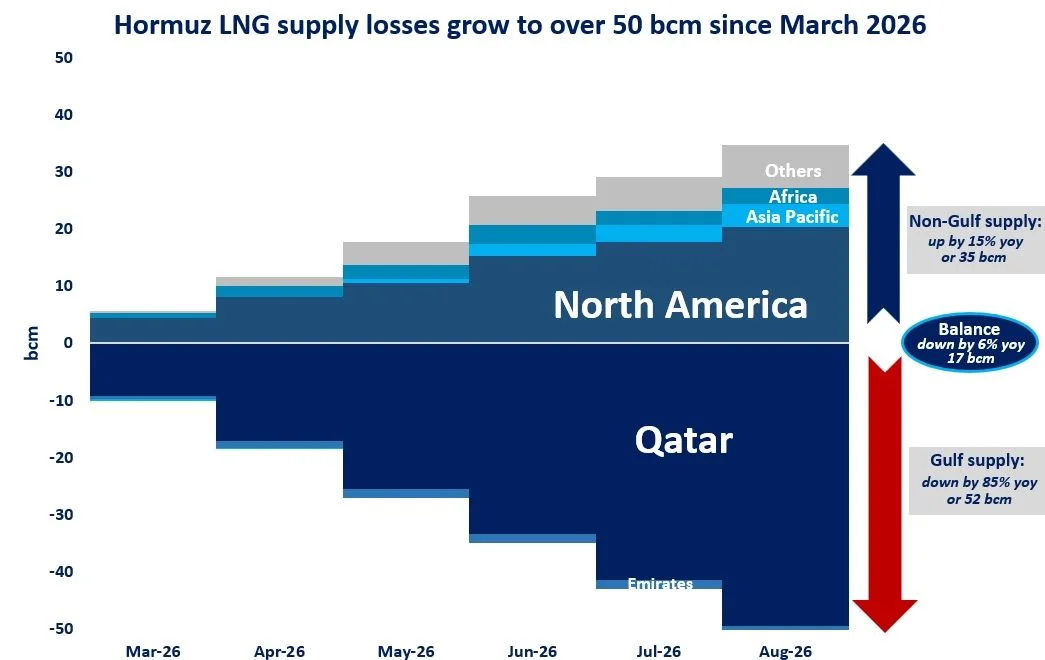
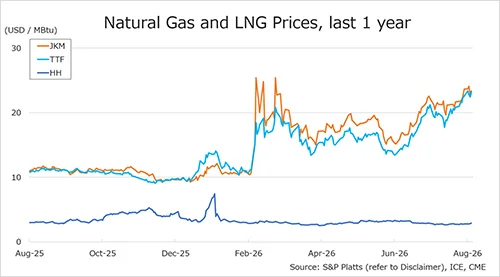
Disruption to Middle Eastern LNG flows is prompting buyers to reassess how they secure supply and manage geopolitical risk. Geographic diversification, more flexible purchasing arrangements and stronger contractual protections are emerging as central elements of LNG procurement strategies.
A new McKinsey survey of LNG buyers indicates that the disruption to transit through the Strait of Hormuz could have lasting consequences for the global market.
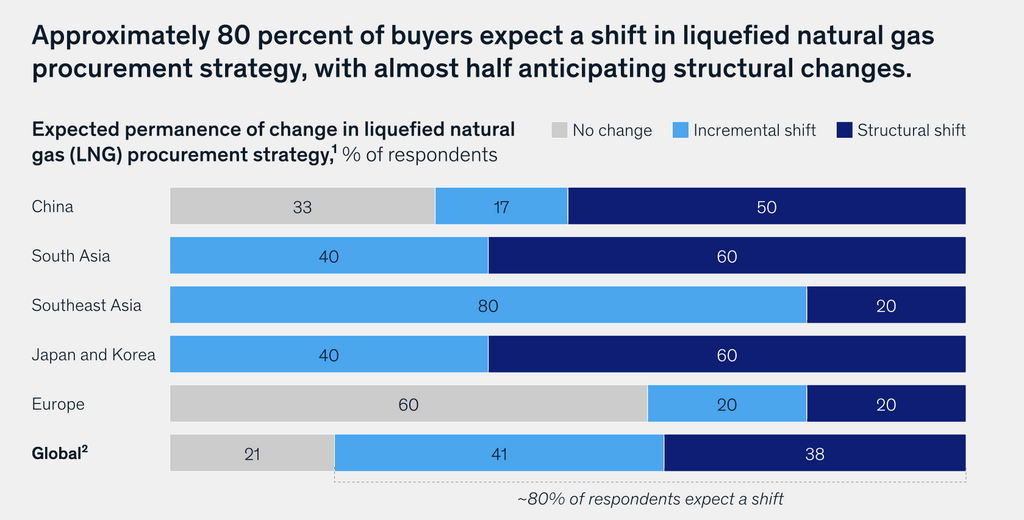
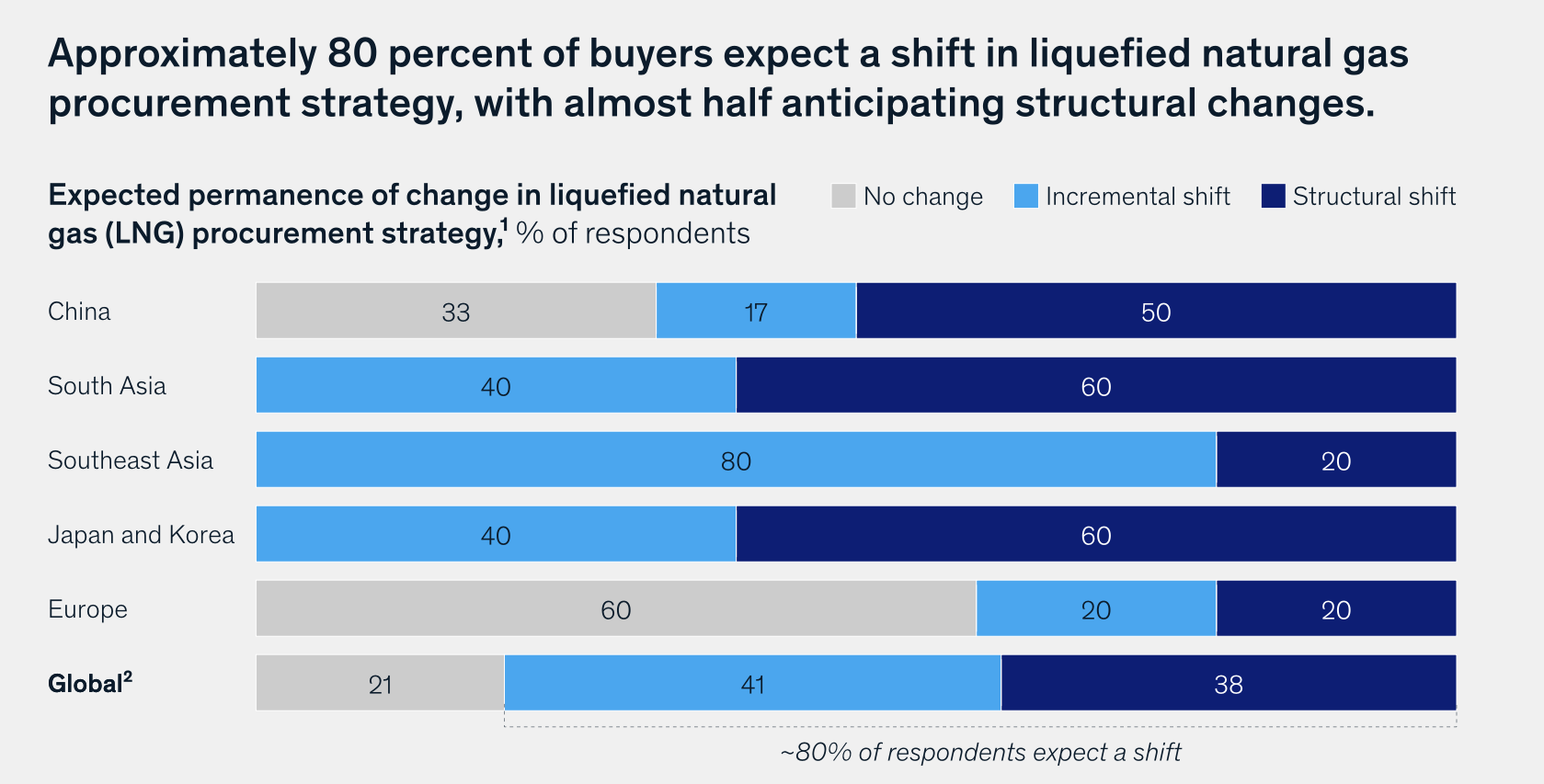
Around 80% of respondents expect to change their LNG procurement strategies, with buyers divided almost equally between those anticipating incremental adjustments and those preparing for more structural change.
The survey covered 30 respondents from oil and gas companies, integrated energy groups, trading houses and power and gas utilities. Participants represented 14 countries accounting for approximately 80% of the global LNG market.
Although the sample is relatively small, the findings provide a useful indication of how procurement priorities are evolving.
Asian buyers generally expect more significant changes than their European counterparts. This reflects the importance of Middle Eastern LNG within Asian supply portfolios and the potential exposure of deliveries passing through the Strait of Hormuz.
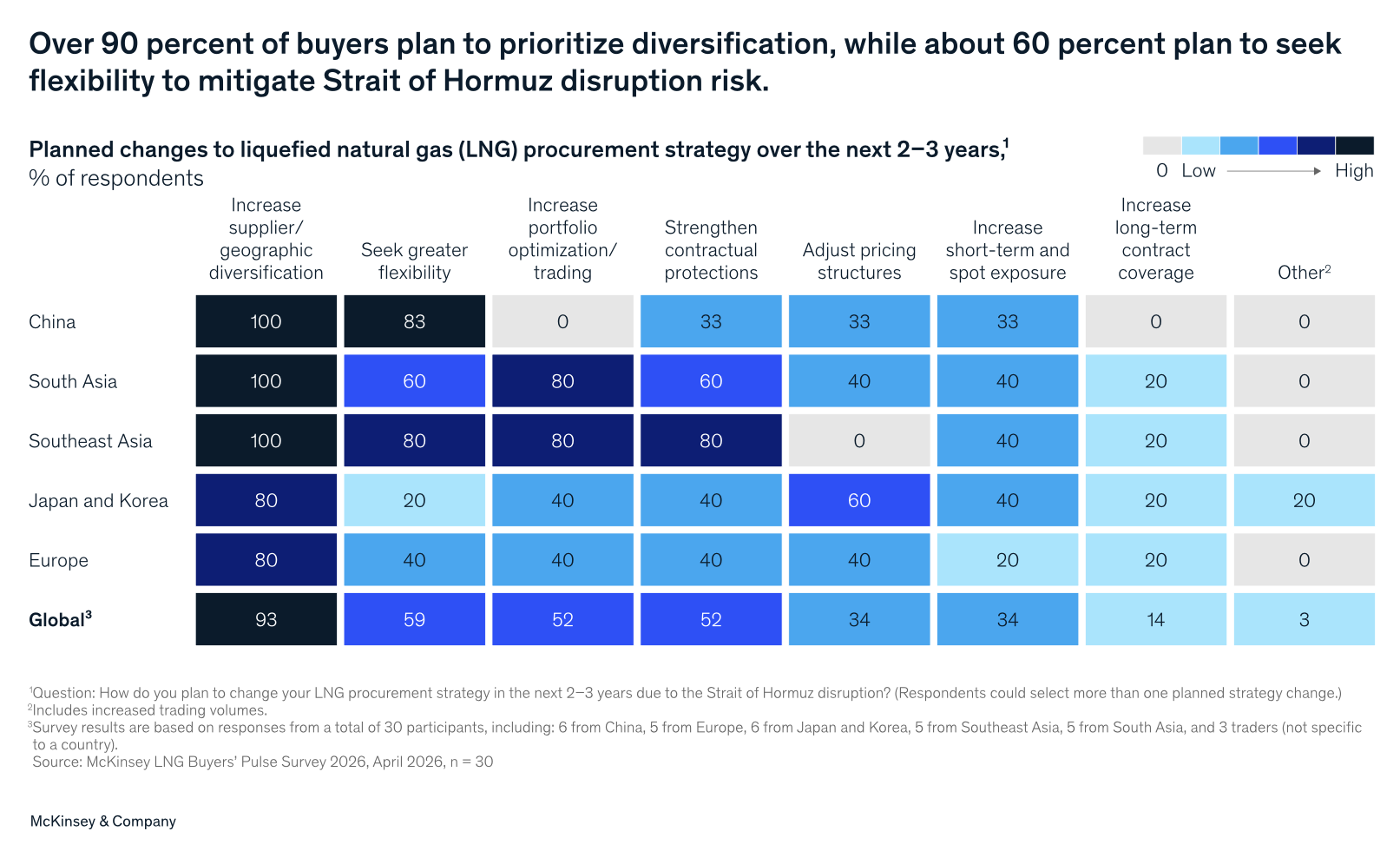
Geographic diversification is the clearest priority. Some 93% of respondents plan to increase the number and geographic range of their suppliers over the next two to three years. Buyers are also considering greater contractual and destination flexibility, portfolio optimisation and measures that allow cargoes to be redirected when market conditions change.
Contractual protections are another area of focus. Just over half of respondents expect to strengthen contract provisions, with force majeure clauses receiving the most attention. Delivery terms, volume flexibility and pricing clauses are also likely to face greater scrutiny as buyers seek protection against prolonged or recurring disruption.
Geographic diversification is the leading procurement response with 93 of LNG buyers planning to expand their range of suppliers over the next two to three years Source McKinsey
Investment strategies are changing alongside procurement practices. Two-thirds of respondents said companies like theirs are investing in measures designed to improve resilience.
Storage infrastructure was the most frequently cited investment, followed by shipping capacity, upstream equity, floating storage and regasification units, regasification facilities and interconnectors.
However, buyers are less certain that their internal capabilities are sufficient for a more volatile market. Only 28% consider their trading capabilities fully adequate, while just 25% say the same about risk management.
The findings point to a broader movement away from procurement based primarily on cost optimisation. Security of supply, portfolio flexibility and the ability to respond quickly to disruption are becoming increasingly important in LNG purchasing decisions.
To provide the best experiences, we use technologies like cookies to store and/or access device information. Consenting to these technologies will allow us to process data such as browsing behavior or unique IDs on this site. Not consenting or withdrawing consent, may adversely affect certain features and functions.
Functional
Always active
The technical storage or access is strictly necessary for the legitimate purpose of enabling the use of a specific service explicitly requested by the subscriber or user, or for the sole purpose of carrying out the transmission of a communication over an electronic communications network.
Preferences
The technical storage or access is necessary for the legitimate purpose of storing preferences that are not requested by the subscriber or user.
Statistics
The technical storage or access that is used exclusively for statistical purposes.The technical storage or access that is used exclusively for anonymous statistical purposes. Without a subpoena, voluntary compliance on the part of your Internet Service Provider, or additional records from a third party, information stored or retrieved for this purpose alone cannot usually be used to identify you.
Marketing
The technical storage or access is required to create user profiles to send advertising, or to track the user on a website or across several websites for similar marketing purposes.