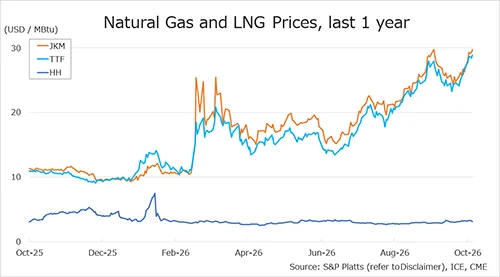
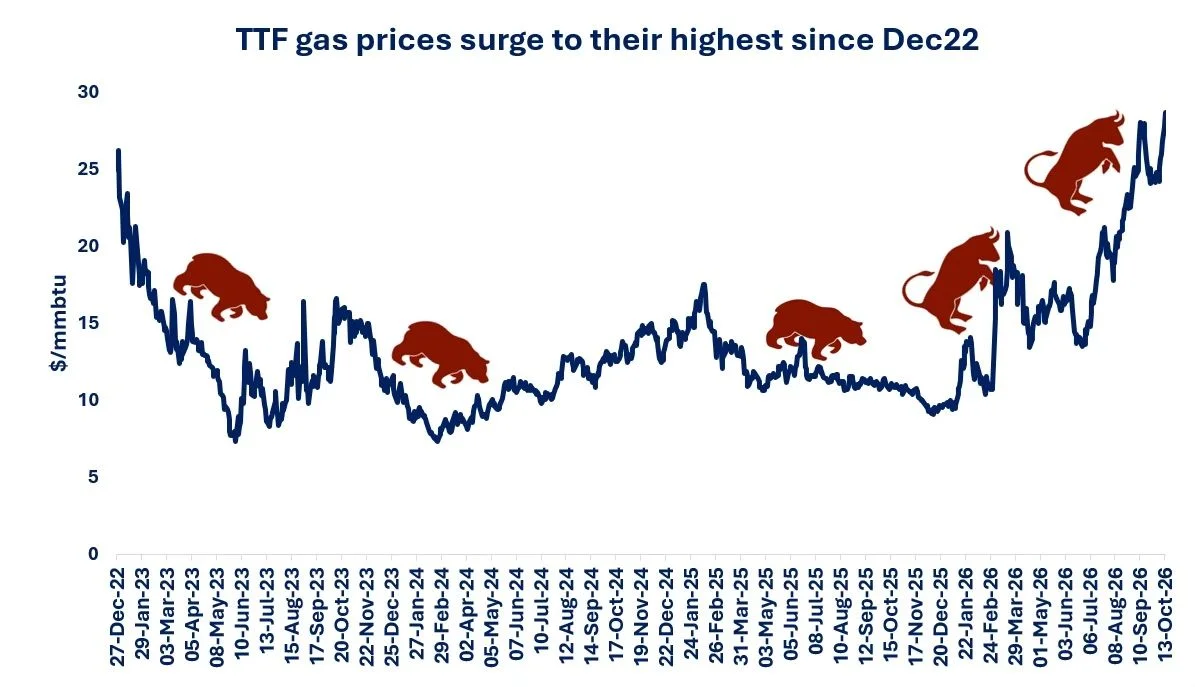
Natural gas and LNG infrastructure is facing an unprecedented number of attacks amid rising geopolitical tensions, military actions and hybrid warfare… all in an increasingly complex and fragmented world.
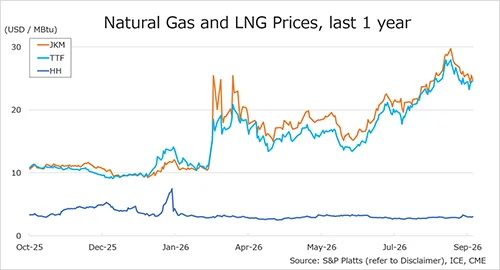
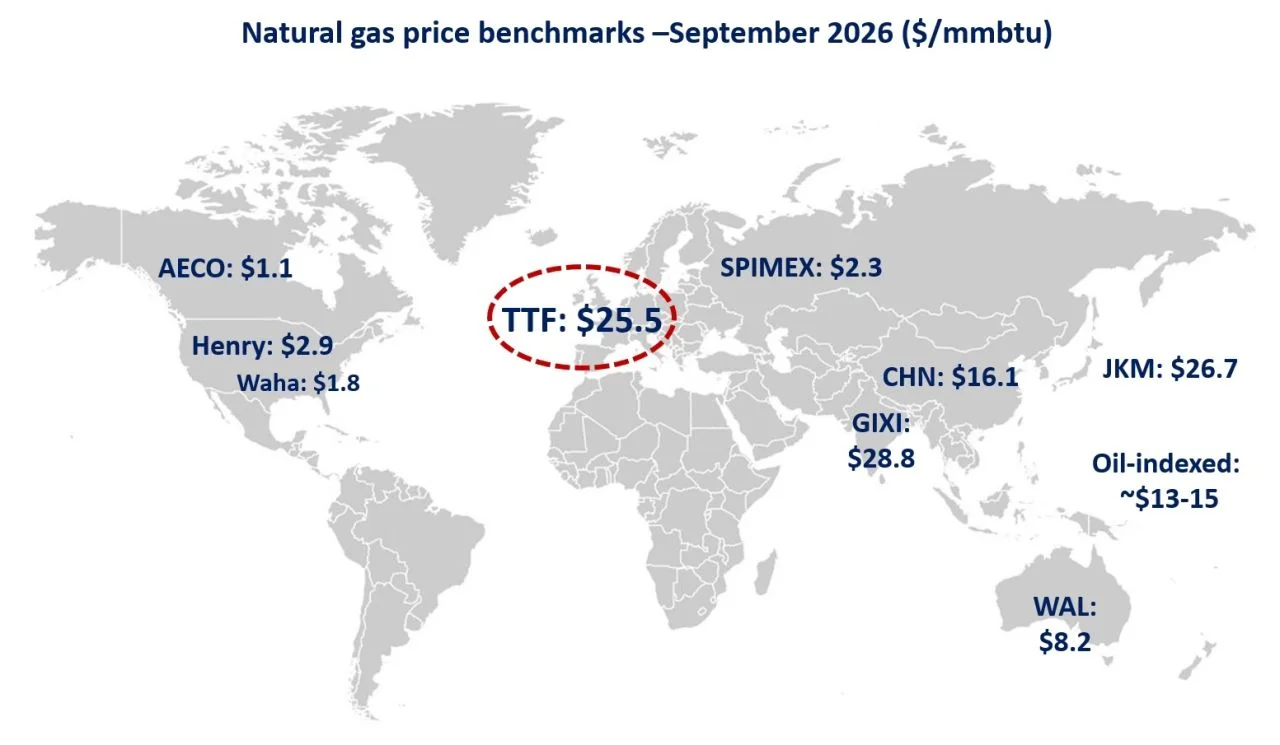
2026 was marked by the brutal return of geopolitics in the energy and gas markets space, with gas and LNG infrastructure increasingly at risk of becoming collateral damage.
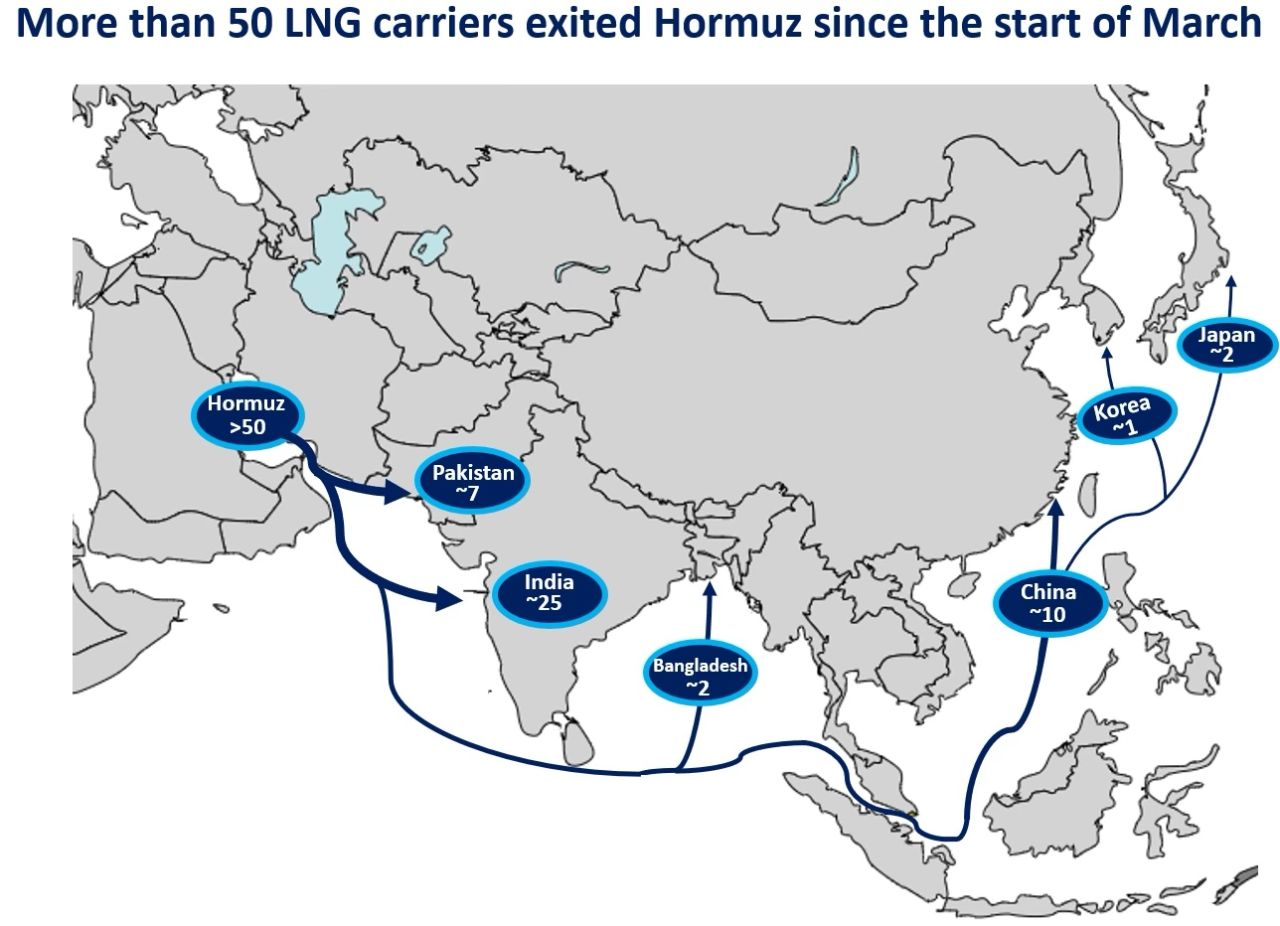
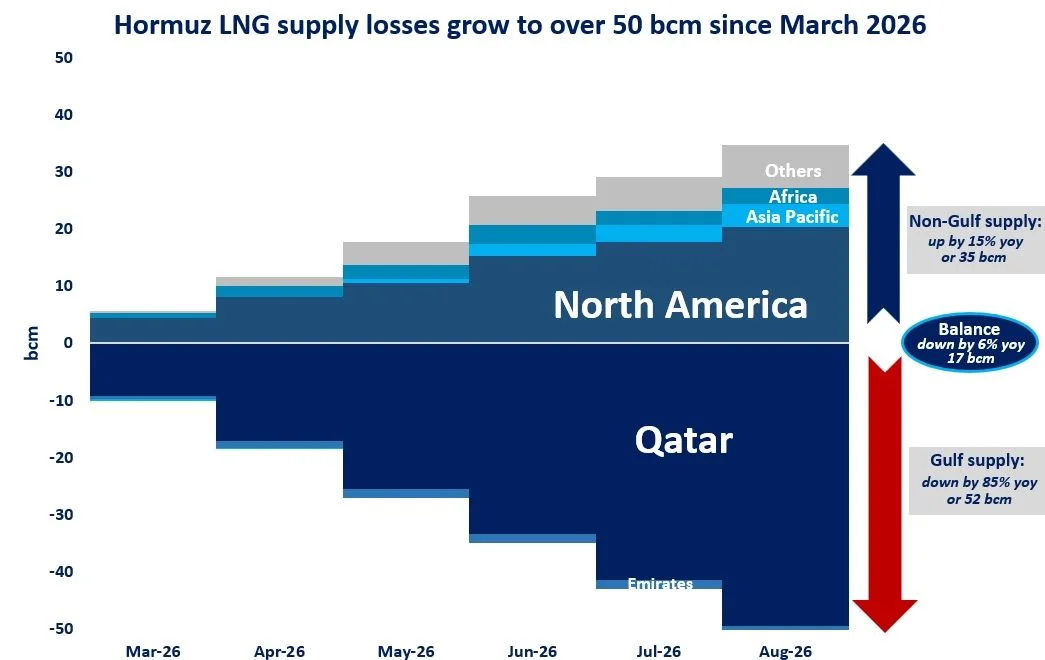
The war in the Middle East severely damaged the region’s gas and LNG infrastructure. At Qatar’s Ras Laffan complex, two LNG liquefaction trains were attacked in March, accounting for more than 15% of the country’s LNG export capacity. Repair periods are estimated at between three and five years.
In the United Arab Emirates, the Shah field and the Habshan gas processing plant both faced drone attacks and were damaged. Habshan has a capacity of over 60 bcm/yr and is at the heart of the Emirati gas system.
Top-notch management and careful coordination avoided the worst: a collapse of the country’s gas and electricity system. Habshan is expected to return to full operations in Q2 2027.
On the other side of the Persian Gulf, several gas processing plants were attacked at Iran’s Asaluyeh complex, cutting more than 10% of the country’s gas production capacity.
Besides the Middle East, Russian attacks continued on Ukraine’s gas production facilities, with more than 250 attacks registered since the beginning of the year. Meanwhile, two key Russian compressor stations feeding gas into the Blue Stream and TurkStream pipeline systems were allegedly attacked over the summer. The drones were intercepted in both cases.
Naval drones also approached Romania’s Neptun Deep project in July. The field is expected to start operations in 2027 and will play a key role in reducing Central and Eastern Europe’s reliance on Russian gas. Luckily, no damage was reported from the field and there was no change to its timeline.
In the UK, a smaller gas-fired power plant (15 MW) faced a cyberattack over the summer and had to shut down operations… Meanwhile, in Germany, 4 GW of coal-fired power plants were shut due to sabotage actions in early September.
What is your view? What does growing geopolitical complexity and fragmentation mean for gas markets? How can we enhance the resilience of gas and LNG value chains in an increasingly uncertain world?
Source: Greg MOLNAR (LinkedIn)