Canadian LNG is set to play a growing role in Germany’s energy diversification strategy after the two countries signed a landmark agreement paving the way for long-term LNG exports from Canada’s Pacific coast.
Canada and Germany have signed a historic, first-of-its-kind Heads of Agreement paving the way for the export of LNG to the European nation from the Pacific coast.
After days of speculation, Germany’s Securing Energy for Europe (SEFE) and Canada’s Ksi Lisims LNG agreed to a 1 million tonne per annum (mtpa) supply deal on a free-on-board basis for up to 20 years, starting in the early 2030s.
The agreement was signed at the Canadian embassy in Berlin on May 27 and marks the culmination of months of negotiations between the two governments following initial talks regarding a possible LNG deal that date back to a meeting between Chancellor Merz and Prime Minister Carney in September 2025.
The agreement, which remains contingent on the finalisation of a definitive Sale and Purchase Agreement between the two parties, marks SEFE’s first partnership with a Canadian LNG supplier and is poised to transform Canada into Germany’s newest energy partner.
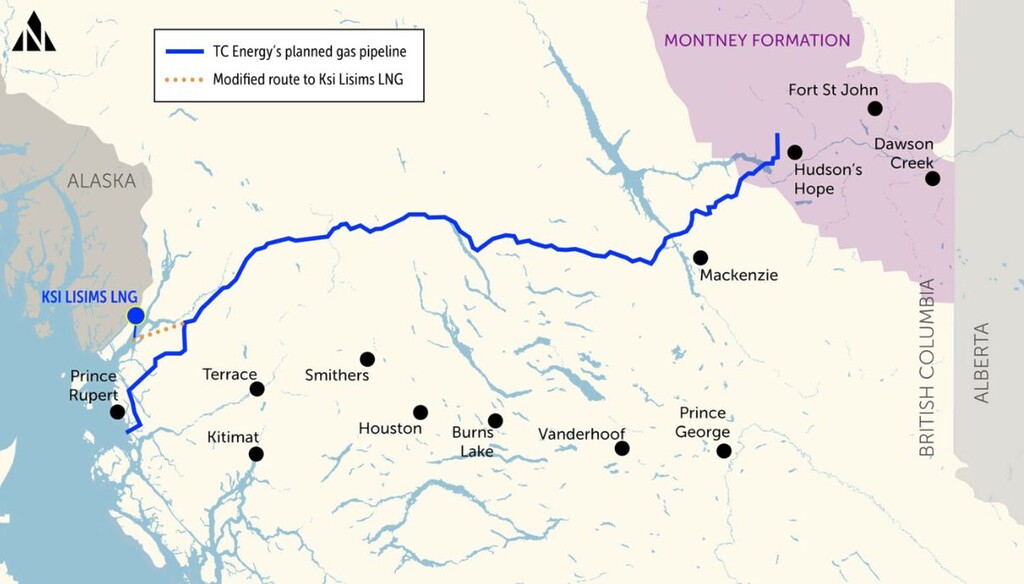
The Ksi Lisims project boasts a 12 mtpa capacity and was established as a cooperation between Western LNG, Rockies LNG Partners (a consortium of natural gas producers), and the Nisga’a Nation—the indigenous government owning the project site.
It remains one of the major LNG developments in the Canadian province of British Columbia. Reportedly, the project’s operators are now in talks with several European utilities interested in Canadian LNG.
The acceleration of this export scheme under the Carney government represents a significant U-turn from the policies of the previous administration headed by Justin Trudeau, which frequently slowed down the development of hydrocarbon projects.
By advancing this project, Canada is actively pursuing diversification away from the U.S. as its primary energy trade partner and seeking alternative customers for its domestically sourced oil and gas.
Concurrently, Germany is attempting to diversify its LNG imports away from the U.S., which has become by far the largest supplier of LNG to the EU—even though some market players have previously downplayed this overreliance on a single supplier.
Diplomatic frictions between Berlin and Washington have multiplied in recent months. Tensions spiked particularly after the Chancellor commented that Iran had “humiliated” the United States.
Recently, the U.S. also announced the withdrawal of its troops from Germany before abruptly reversing its decision shortly thereafter.
Nevertheless, this week Washington confirmed it will scale down the volume of strategic bombers, fighter jets, drones, submarines, and warships allocated to NATO, effectively forcing Europe to take greater responsibility for its own defence.
Source: Francesco Sassi (Linkedin)