Elevated LNG charter rates are being driven by traders seeking to preserve trading optionality amid stronger Asian demand expectations, longer voyage distances and continued uncertainty across global LNG shipping markets.
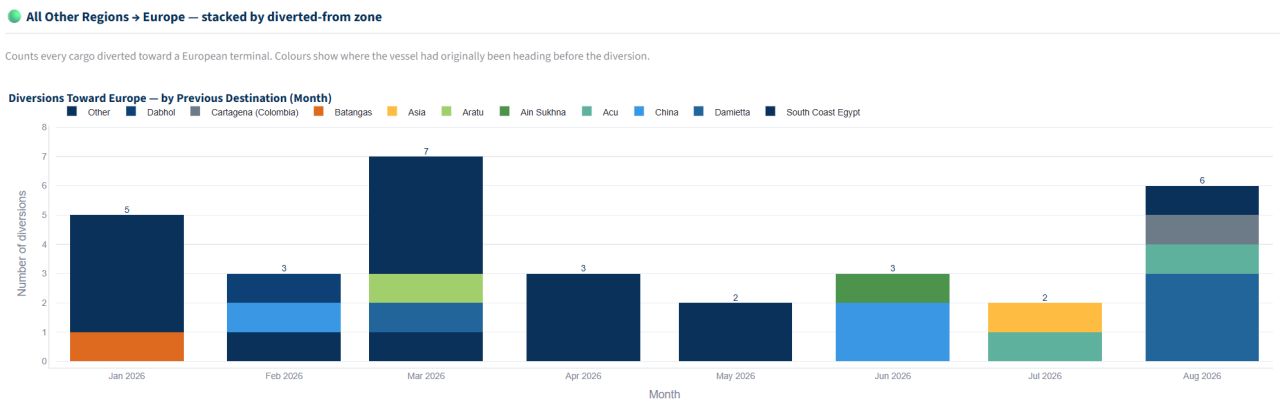
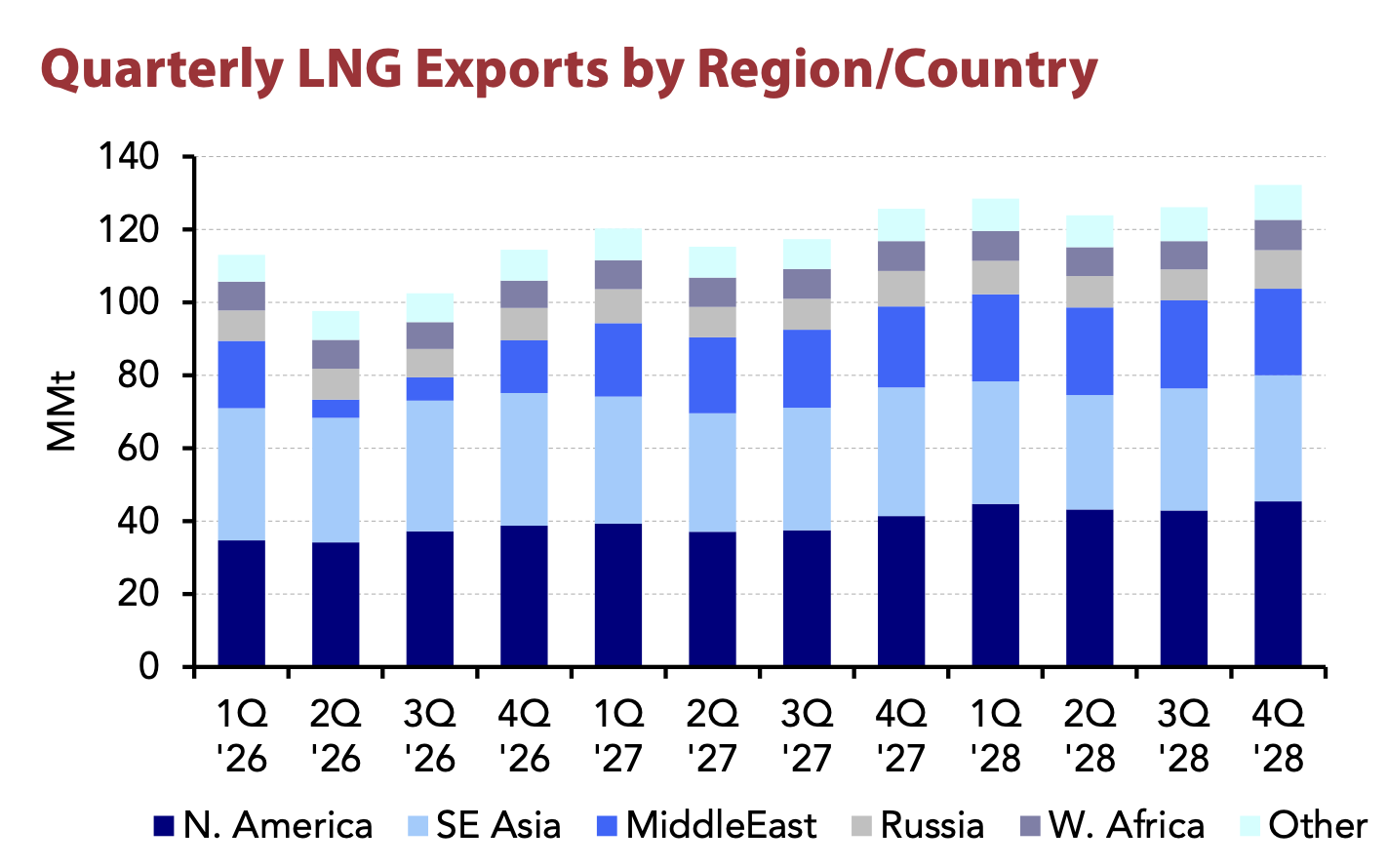
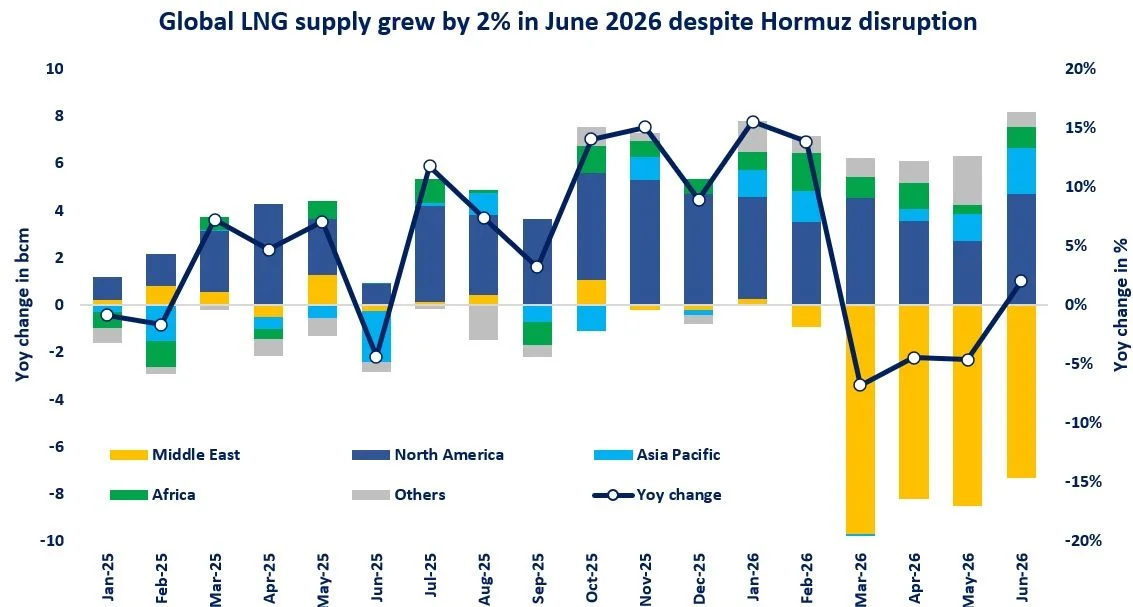
As the US-Iran conflict enters its third month, Asia is increasing purchases of flexible Atlantic basin cargoes to offset reduced Middle East Gulf supply.
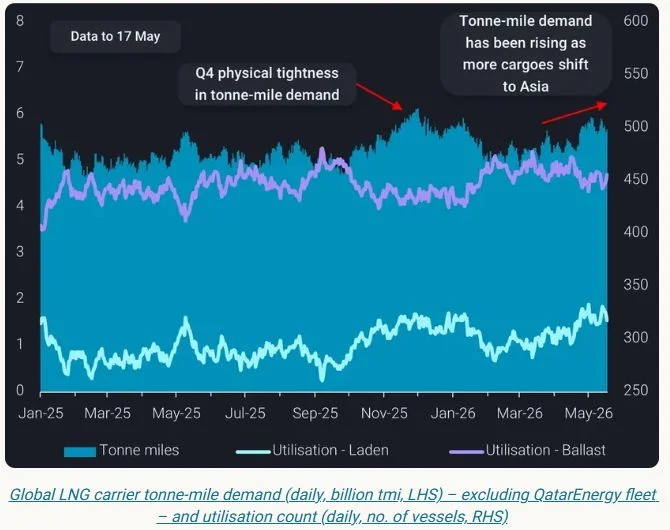
This has lifted LNG fleet tonne-mile demand. However, according to Vortexa data, here could still be further upside to global tonne-mile demand as it still remains below the Q4 2025 peak, when strong US LNG supply growth and winter demand tightened vessel availability and pushed freight rates higher.
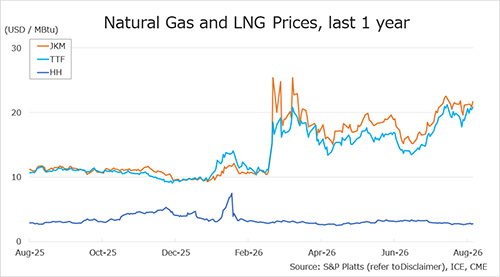
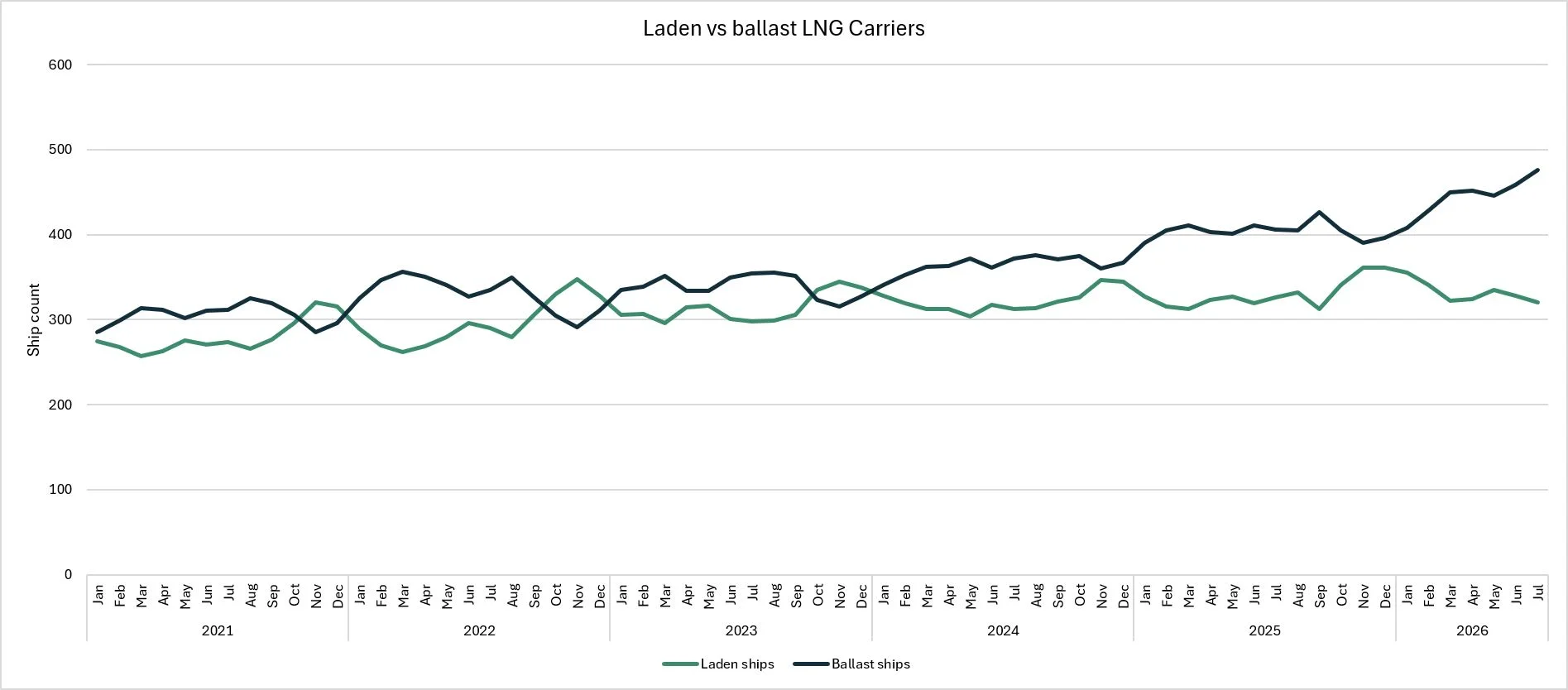
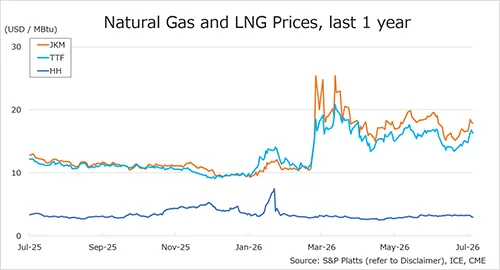
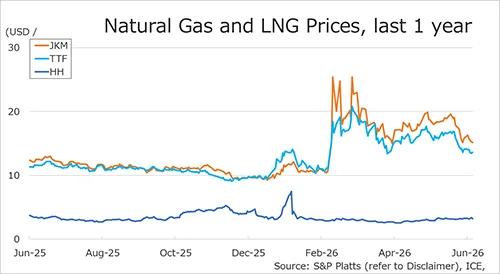
Spot LNG charter rates, after spiking at the start of the conflict, have softened but remain elevated. This indicates that the global LNG freight market remains fundamentally well-supplied and is not experiencing a physical shortage of vessels.
Instead, the strength in spot LNG charter rates is driven by market participants seeking to preserve trading optionality in anticipation of stronger Asian demand, which requires longer-haul voyages.
Traders could have taken on additional shipping capacity via sub-charters or are seeking a much larger premium to sublet their idle vessels.
Such behaviour is expected in a high spot LNG price environment which typically incentivises market players to prioritise their ability to deliver cargoes into premium markets, instead of vessel optimisation.
Source: Vortexa. This article is based on Vortexa LNG shipping analysis and webinar commentary. Readers are encouraged to visit the original Vortexa article for additional freight market insights and LNG shipping data.
We use cookies on our website to give you the most relevant experience by remembering your preferences and repeat visits. By clicking “Accept”, you consent to the use of ALL the cookies.
This website uses cookies to improve your experience while you navigate through the website. Out of these, the cookies that are categorized as necessary are stored on your browser as they are essential for the working of basic functionalities of the website. We also use third-party cookies that help us analyze and understand how you use this website. These cookies will be stored in your browser only with your consent. You also have the option to opt-out of these cookies. But opting out of some of these cookies may affect your browsing experience.
Necessary cookies are absolutely essential for the website to function properly. This category only includes cookies that ensures basic functionalities and security features of the website. These cookies do not store any personal information.
Any cookies that may not be particularly necessary for the website to function and is used specifically to collect user personal data via analytics, ads, other embedded contents are termed as non-necessary cookies. It is mandatory to procure user consent prior to running these cookies on your website.