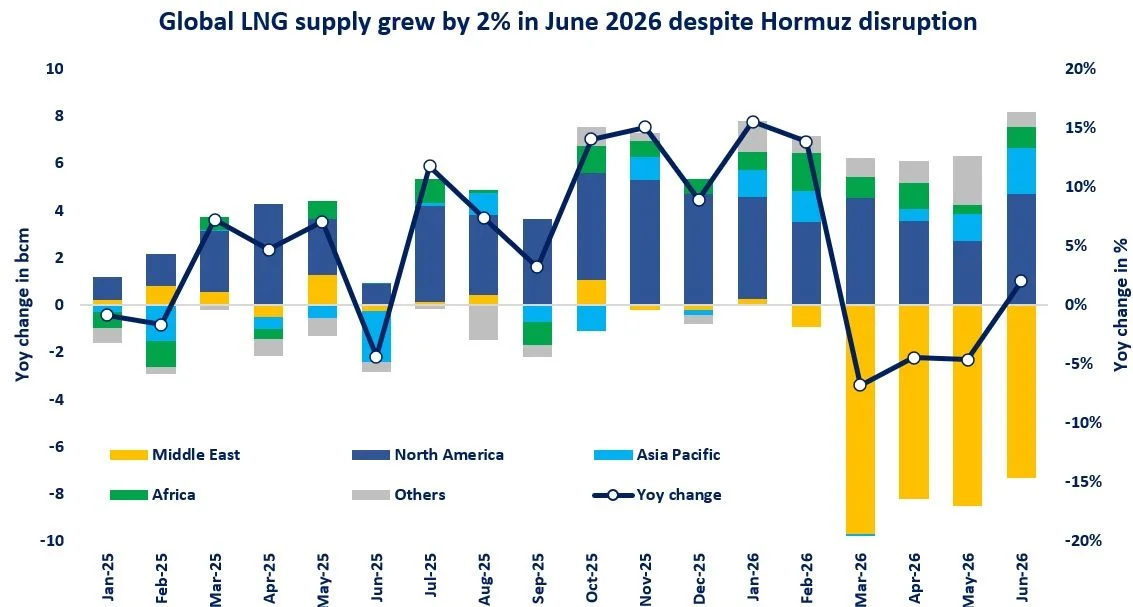
Qatar LNG supply disruptions are forcing importing countries to adopt sharply different response strategies, with some relying on portfolio flexibility and fuel switching while others face demand curtailments and growing supply pressures.
Countries dependent on Qatari LNG are responding very differently to the ongoing disruption in Gulf gas exports, highlighting major contrasts in energy security, portfolio flexibility and market resilience.
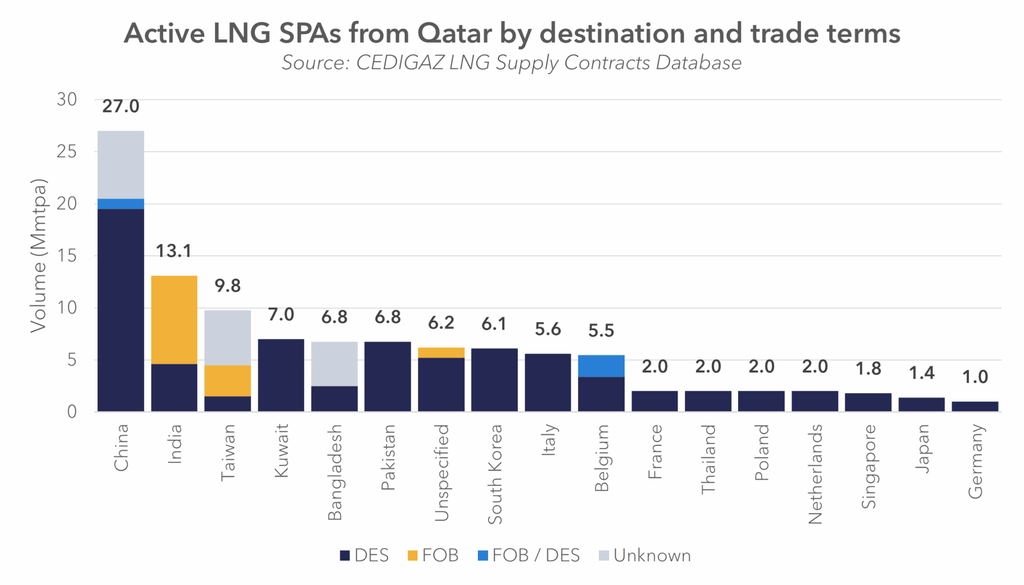
According to Cedigaz, the structure of Qatar’s LNG contracts leaves little built-in flexibility, meaning importers themselves must absorb the shock through domestic market adjustments, alternative sourcing or demand reductions.
China has largely managed the disruption through a state-coordinated system supported by diversified supply sources, high inventories and Russian pipeline gas imports.
The analysis notes that Chinese buyers have also embedded themselves deeper into Qatar’s LNG sector through long-term contracts and upstream investments.
India, by contrast, has experienced a more direct supply squeeze. Companies including Petronet LNG, GAIL and Indian Oil reduced gas deliveries following force majeure declarations linked to cargo loading issues at Ras Laffan.
However, India has also increased imports from alternative suppliers including the United States, Oman, Nigeria and Angola.
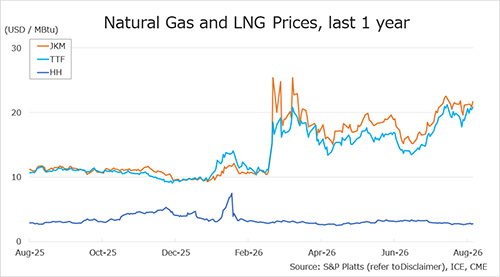
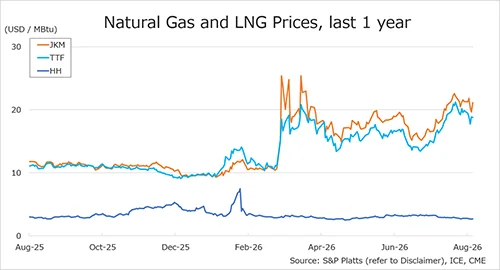
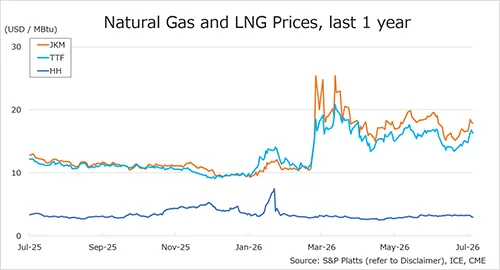
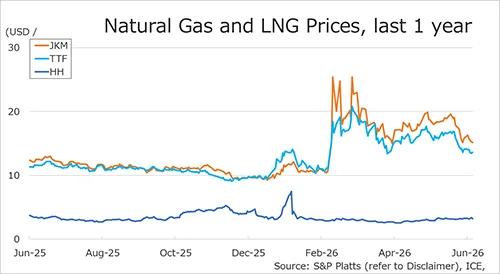
Pakistan and Bangladesh have faced some of the greatest difficulties. Pakistan has increasingly shifted toward fuel switching and reduced LNG dependence, while Bangladesh has sought replacement spot cargoes, in some cases paying prices two to three times higher than late-2025 levels.
In Northeast Asia, Taiwan, Japan and South Korea have demonstrated greater resilience due to diversified procurement portfolios, stronger infrastructure and more flexible domestic energy systems.
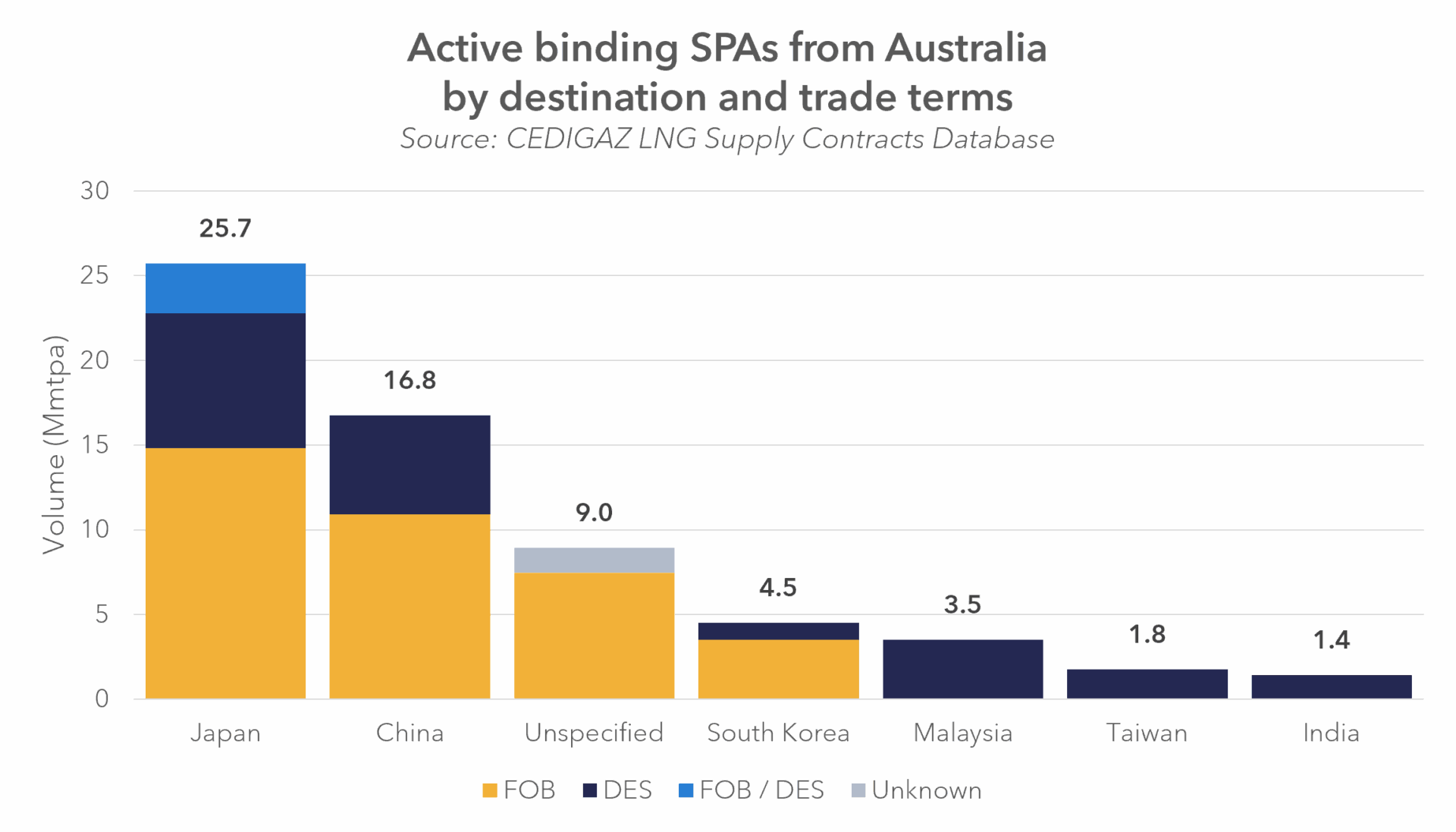
Taiwan increased imports from suppliers including the United States and Australia, while South Korea boosted coal and nuclear generation to reduce gas-fired power demand.
Japan also reduced LNG imports as higher nuclear generation and elevated inventories lowered the need for additional spot cargoes.
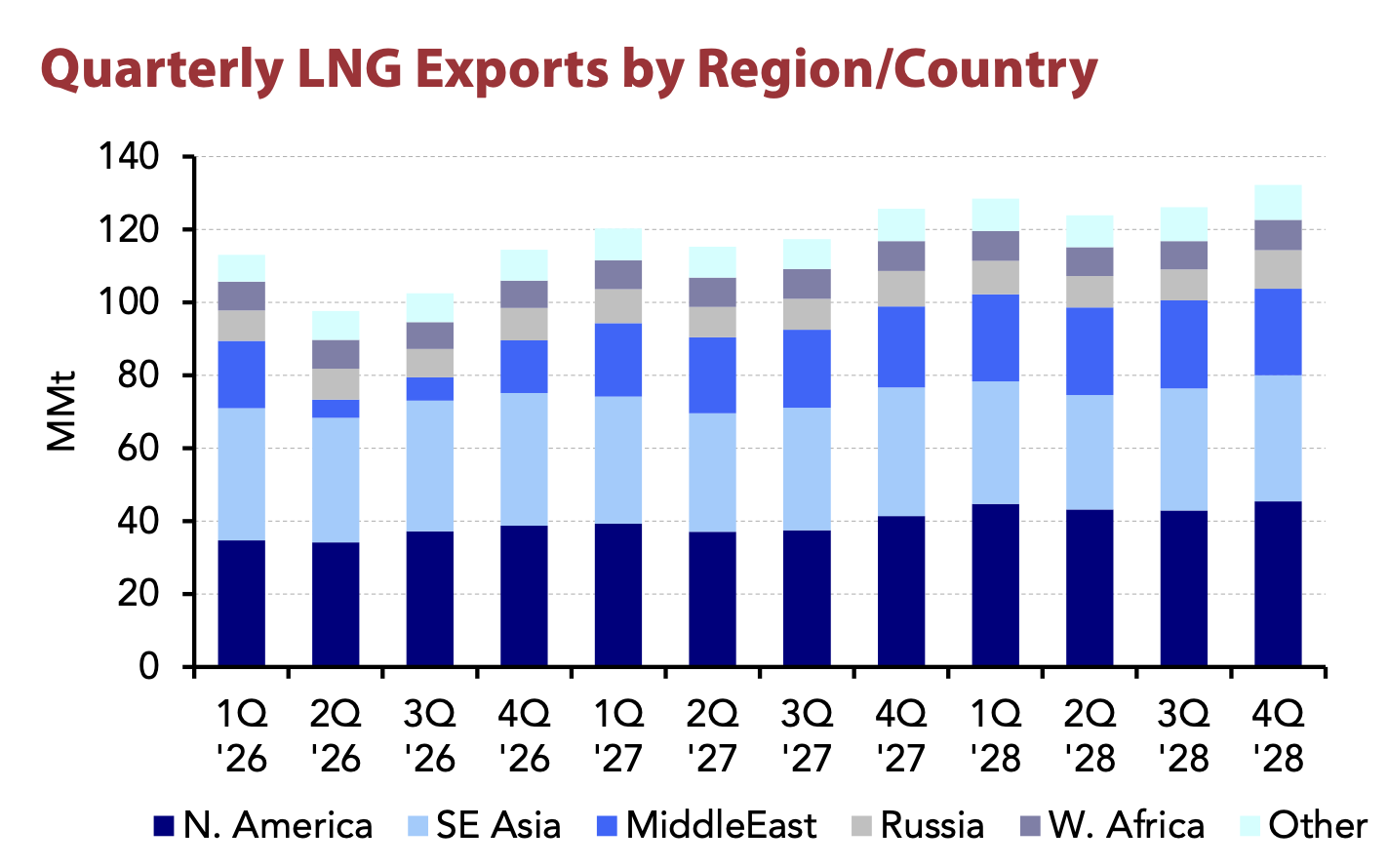
Cedigaz concludes that the disruption has reinforced the importance of portfolio flexibility, diversified supply and domestic energy system resilience as importers adapt to tighter global LNG balances.
Source: Cedigaz. Readers are encouraged to visit the original article for the complete analysis, detailed country data and additional charts.