Asian LNG demand is weakening as supply disruptions, price volatility, and geopolitical risks undermine confidence in gas as a reliable transition fuel across the region. The ongoing Iran conflict has exposed structural vulnerabilities in LNG supply, with lasting implications for how Asian economies approach energy security.
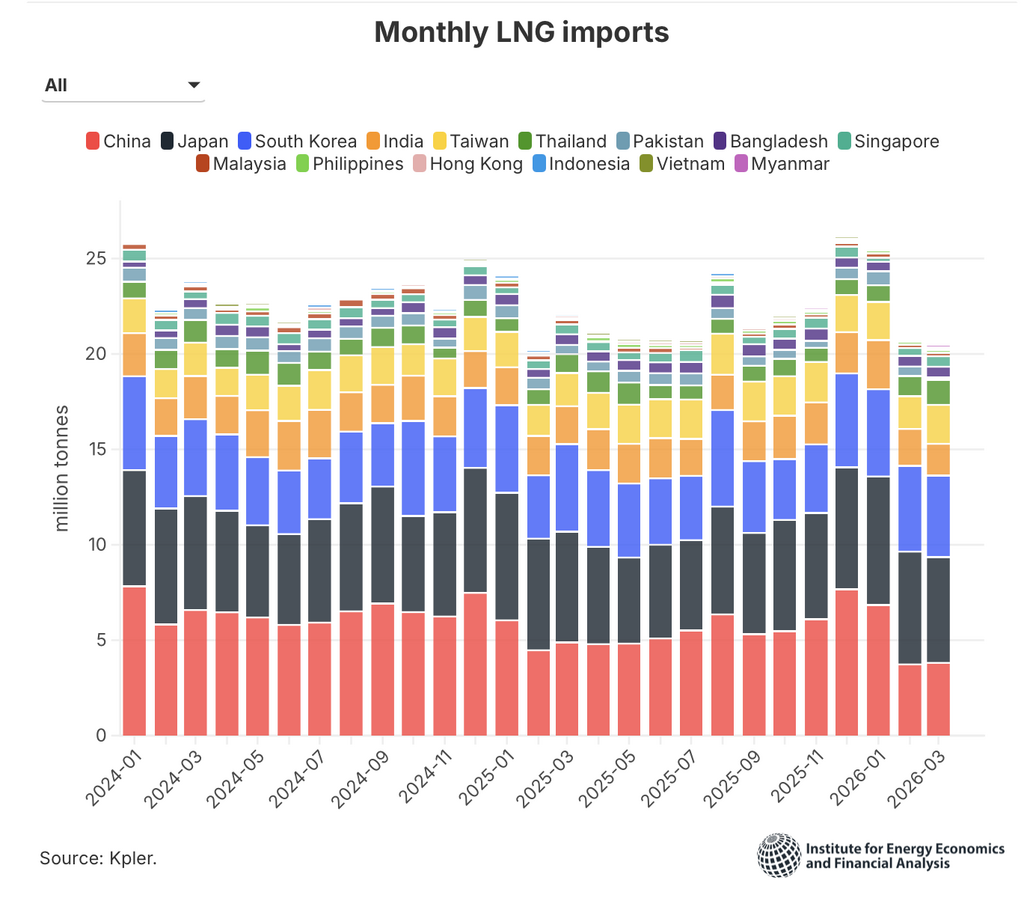
- Asian LNG demand hit immediately as imports fell to 20.4 Mt in March 2026, down from a 2025 monthly average of 22.1 Mt
- Confidence in LNG as a reliable and affordable transition fuel has already been damaged across Asian markets
- LNG projects are already being cancelled across Asia, with China and Vietnam among the first to pull back
Analysis by Sam Reynolds at the Institute for Energy Economics and Financial Analysis (IEEFA) highlights how these disruptions are already reshaping energy strategies across Asia, with both immediate and longer-term impacts on LNG demand.
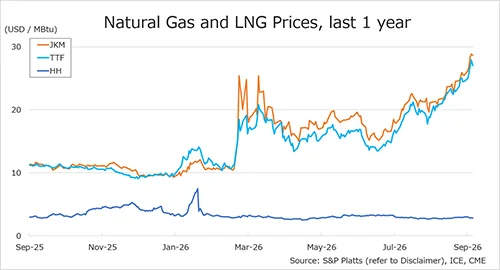
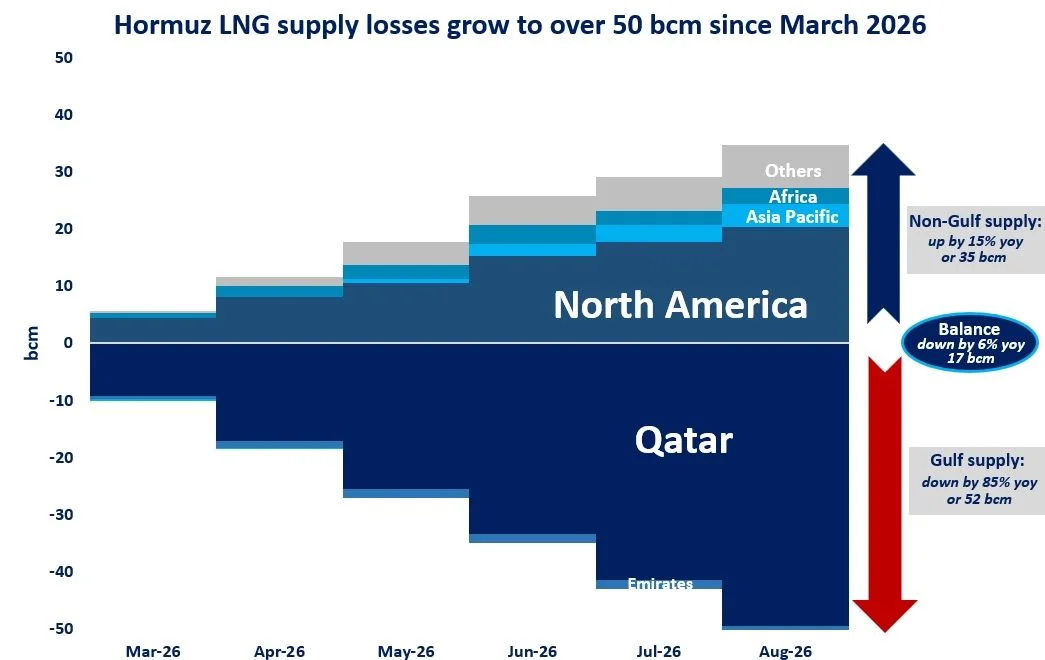
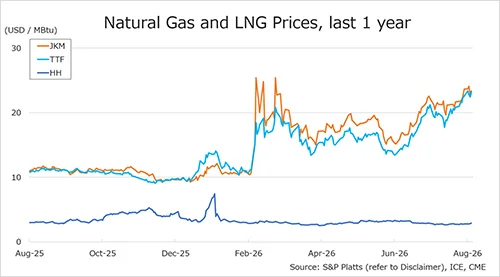
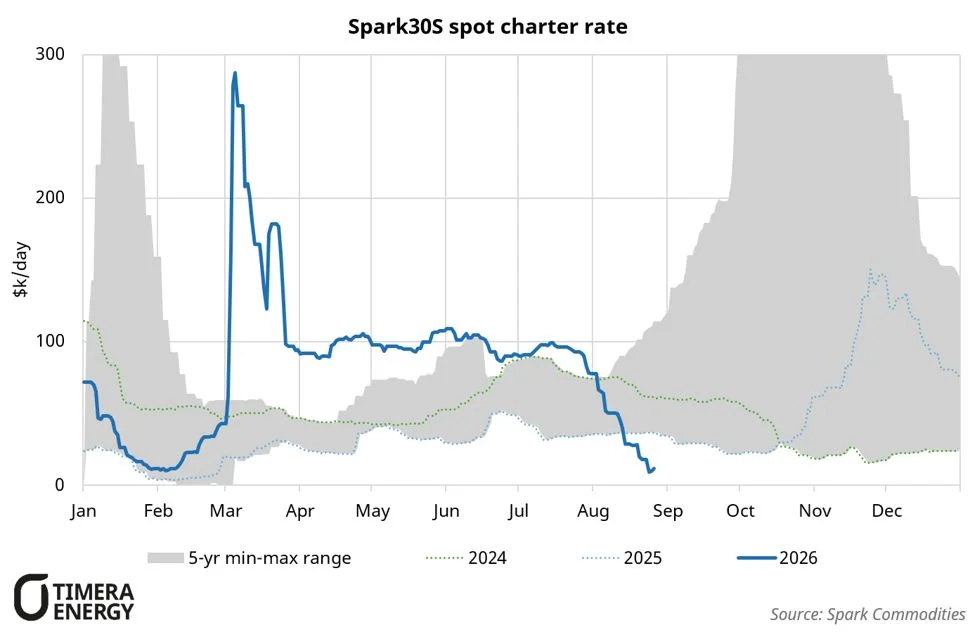
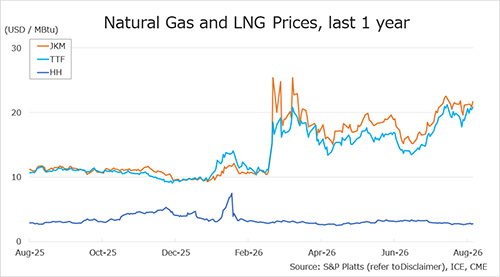
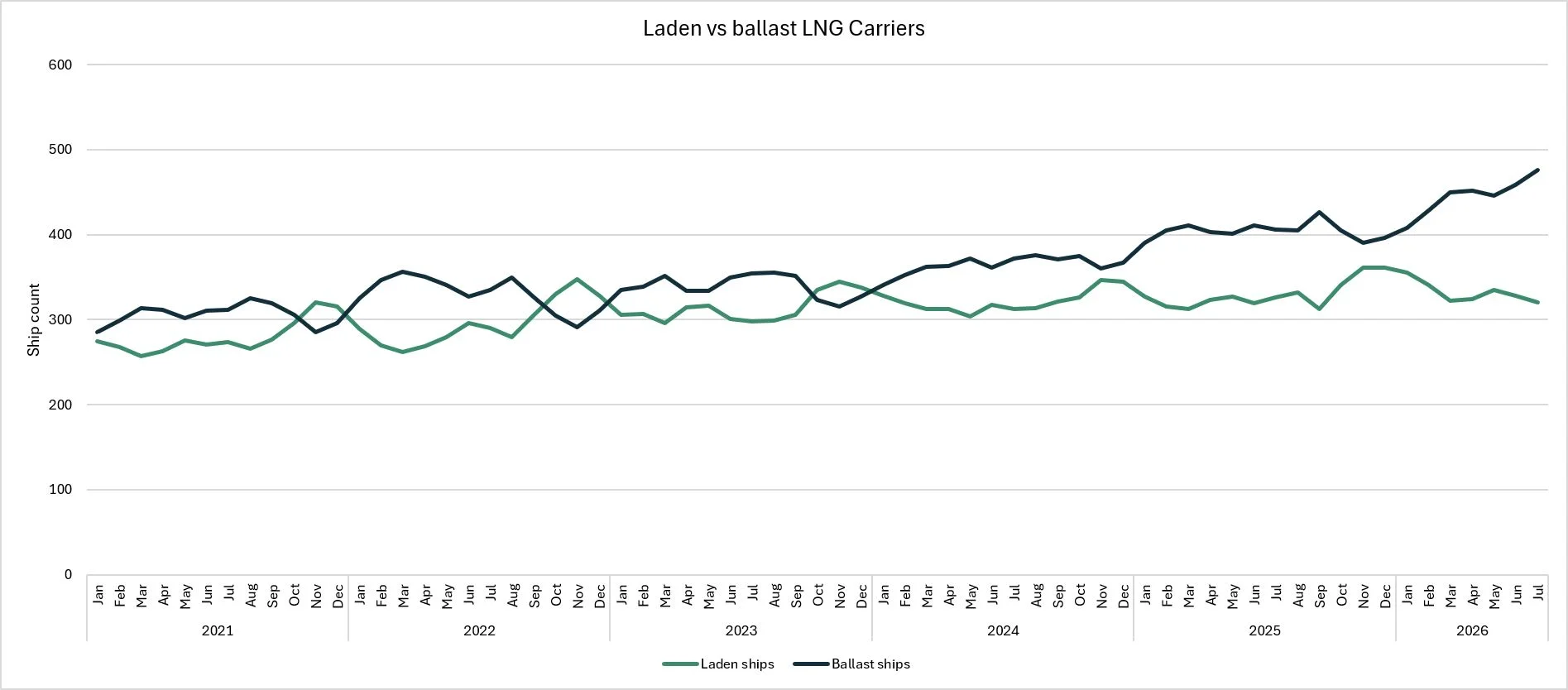
Asian LNG imports have already fallen sharply, reflecting both reduced availability and weaker buying interest at elevated price levels. At the same time, uncertainty around flows through the Strait of Hormuz and disruptions to exports from key suppliers such as Qatar and the UAE have reinforced concerns around supply reliability.
In response, countries are increasingly turning to existing infrastructure—particularly coal and nuclear—to manage short-term energy security risks, while accelerating renewable energy deployment as a more stable long-term solution.
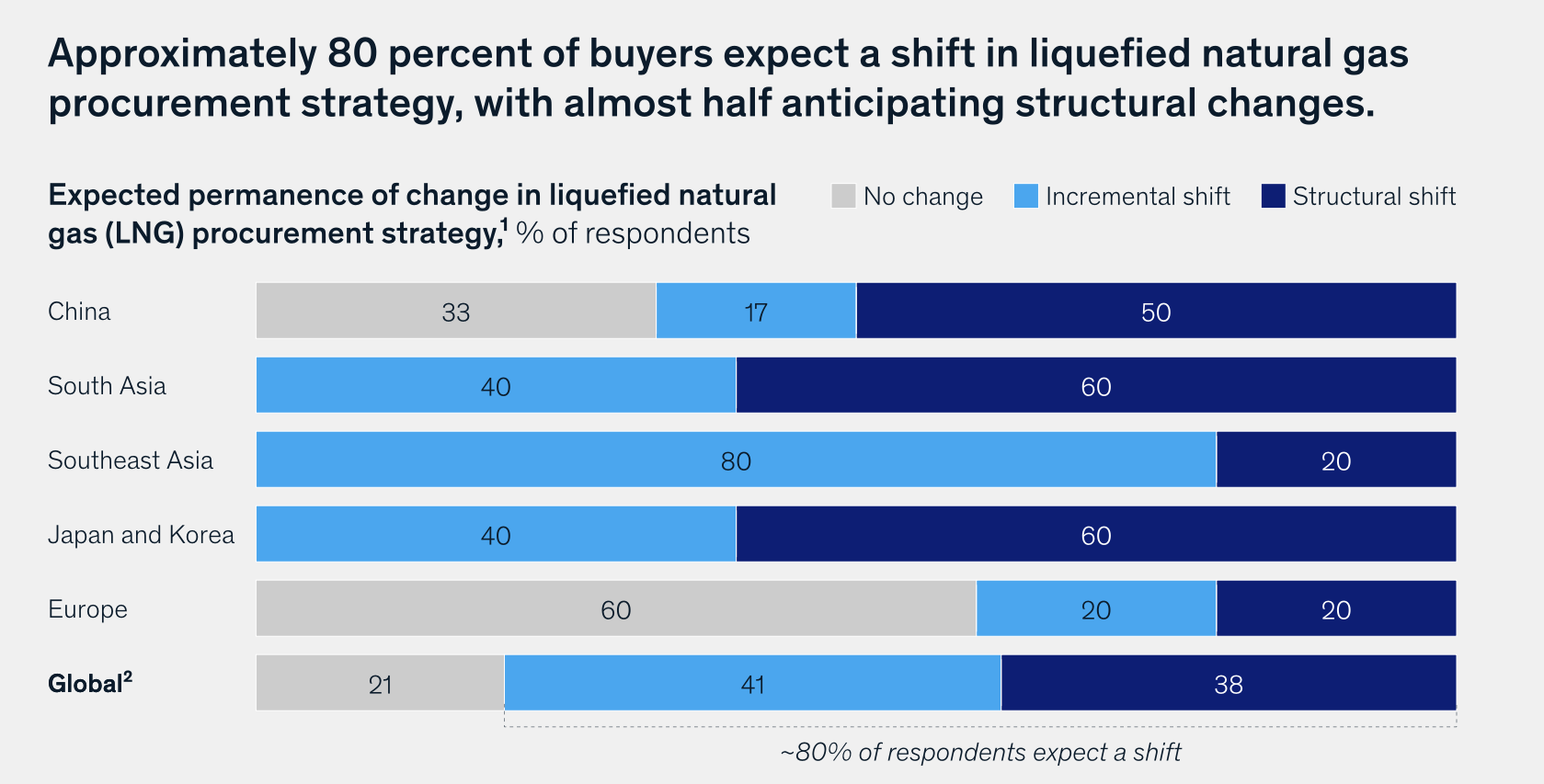
Crucially, Asian LNG demand is not only under short-term pressure but also facing signs of structural demand erosion. LNG projects have already been cancelled in key markets such as China and Vietnam, while countries including India, South Korea, the Philippines, Thailand, and Cambodia are taking steps to reduce reliance on imported gas and expand clean energy capacity.
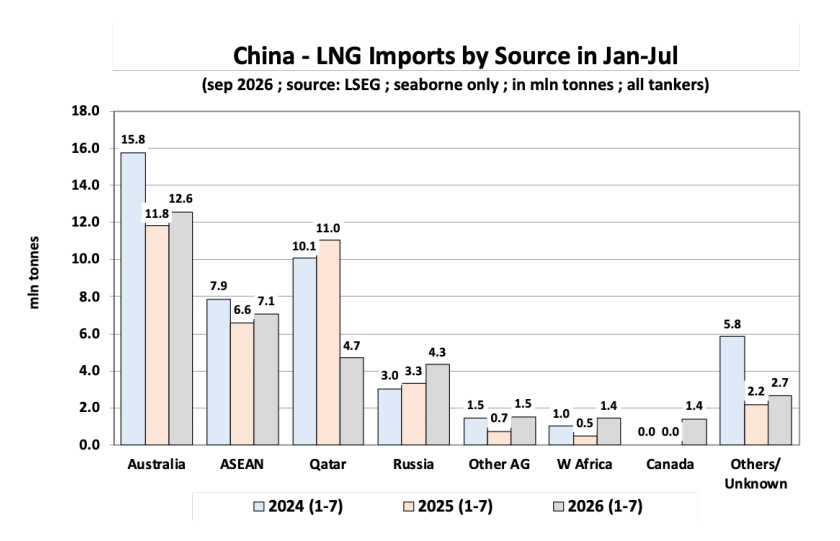
In major markets, the shift is becoming more pronounced. China is reducing LNG imports while prioritising domestic production and renewables, while India—heavily exposed to Middle Eastern supply—is relying more on coal and alternative energy sources to stabilise its power system.
Across Southeast Asia, project economics are also deteriorating. High LNG prices and ongoing volatility are making LNG-to-power projects harder to finance, prompting developers to pivot toward renewable energy and storage solutions.
More broadly, the crisis is reinforcing a key concern for the global gas industry: volatility and supply unreliability are beginning to undermine demand growth. Repeated geopolitical shocks risk pushing buyers toward alternative energy sources, particularly in emerging Asian markets where affordability remains critical.
While LNG will continue to play a role in Asia’s energy mix, its position is shifting. Rather than serving as a stable baseload or transition fuel, gas is increasingly being pushed into a more limited, flexible role, with lower volumes and less predictable demand.
The direction of travel is clear. Asian LNG demand is weakening not just because of short-term disruption, but because the Iran conflict is accelerating a broader structural shift in how countries approach energy security, affordability, and long-term supply risk.
Source & orginal article: Sam Reynolds (IEEFA)