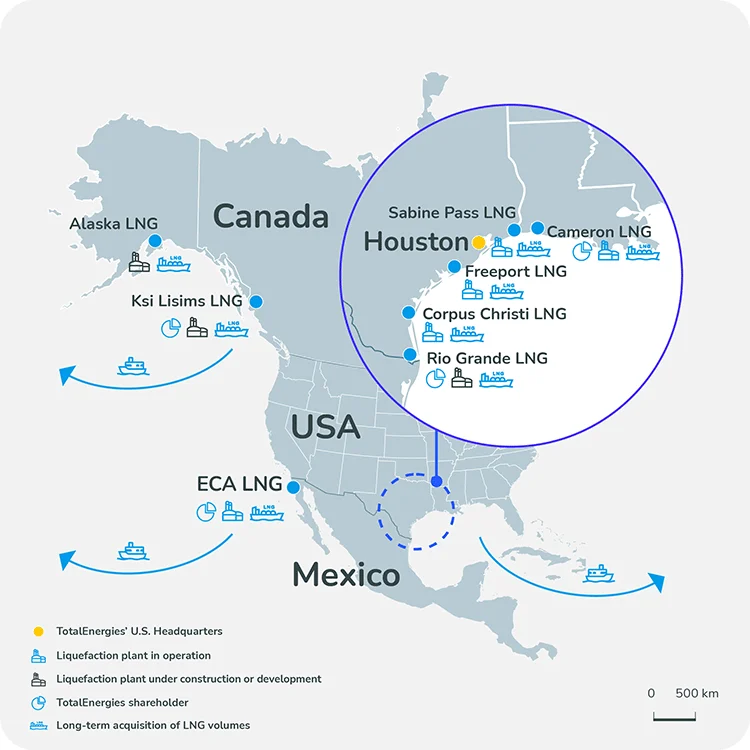
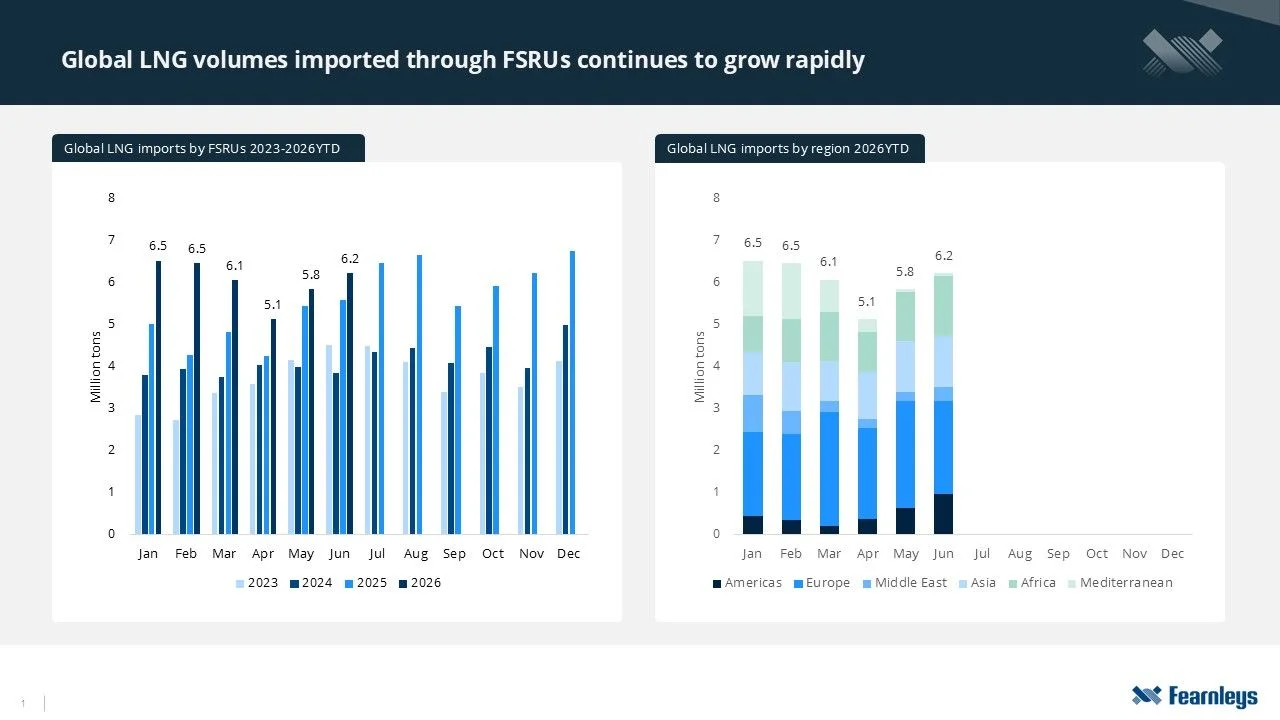
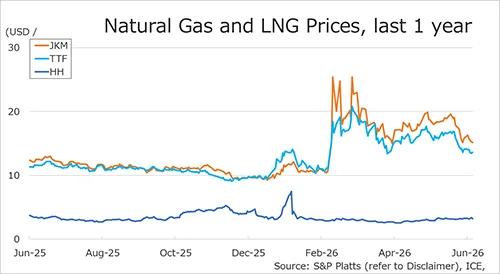
The latest update (November 4) on US LNG export terminals shows a sector that continues to expand in scale, complexity and geographic reach.
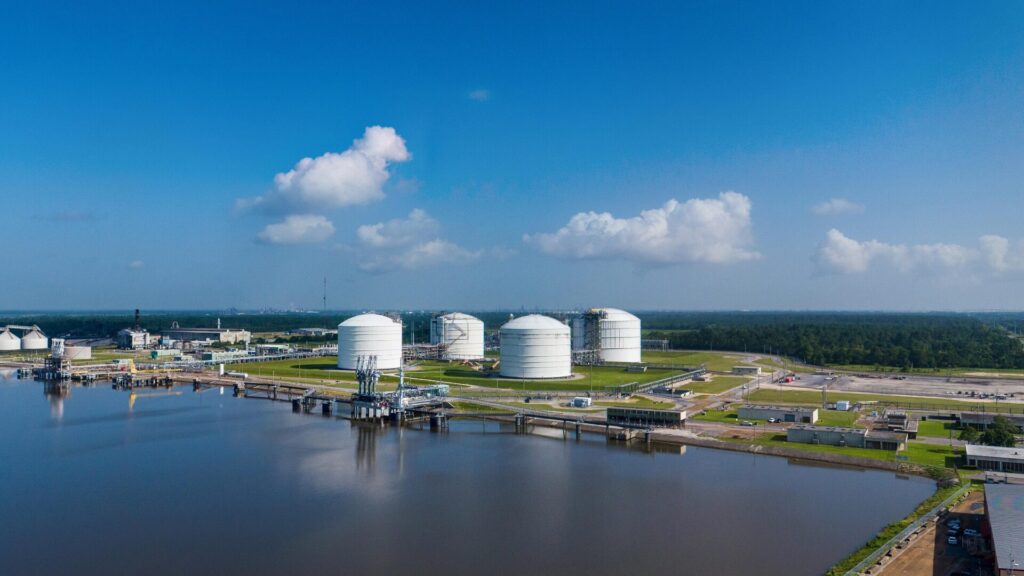
The United States remains the world’s largest LNG exporter, supported by a combination of fully operational Gulf Coast terminals, major projects under construction and a deep pipeline of approved and proposed developments awaiting market conditions or commercial alignment.
Existing facilities such as Sabine Pass, Corpus Christi, Freeport, Cameron and Cove Point continue to anchor US export capacity, while new trains and greenfield projects — including Golden Pass, Plaquemines LNG and CP2 — are set to add significant volumes later this decade.
Further capacity is already approved by regulators but not yet under construction, reflecting evolving market signals, financing considerations and long-term contracting needs.
Additional projects are progressing through FERC pre-filing and MARAD review, indicating that the US development pipeline remains active even amid global LNG market uncertainty.
Together, these facilities reinforce the United States’ role as a flexible, responsive supplier to global LNG markets.
We use cookies on our website to give you the most relevant experience by remembering your preferences and repeat visits. By clicking “Accept”, you consent to the use of ALL the cookies.
This website uses cookies to improve your experience while you navigate through the website. Out of these, the cookies that are categorized as necessary are stored on your browser as they are essential for the working of basic functionalities of the website. We also use third-party cookies that help us analyze and understand how you use this website. These cookies will be stored in your browser only with your consent. You also have the option to opt-out of these cookies. But opting out of some of these cookies may affect your browsing experience.
Necessary cookies are absolutely essential for the website to function properly. This category only includes cookies that ensures basic functionalities and security features of the website. These cookies do not store any personal information.
Any cookies that may not be particularly necessary for the website to function and is used specifically to collect user personal data via analytics, ads, other embedded contents are termed as non-necessary cookies. It is mandatory to procure user consent prior to running these cookies on your website.